What was the problem?
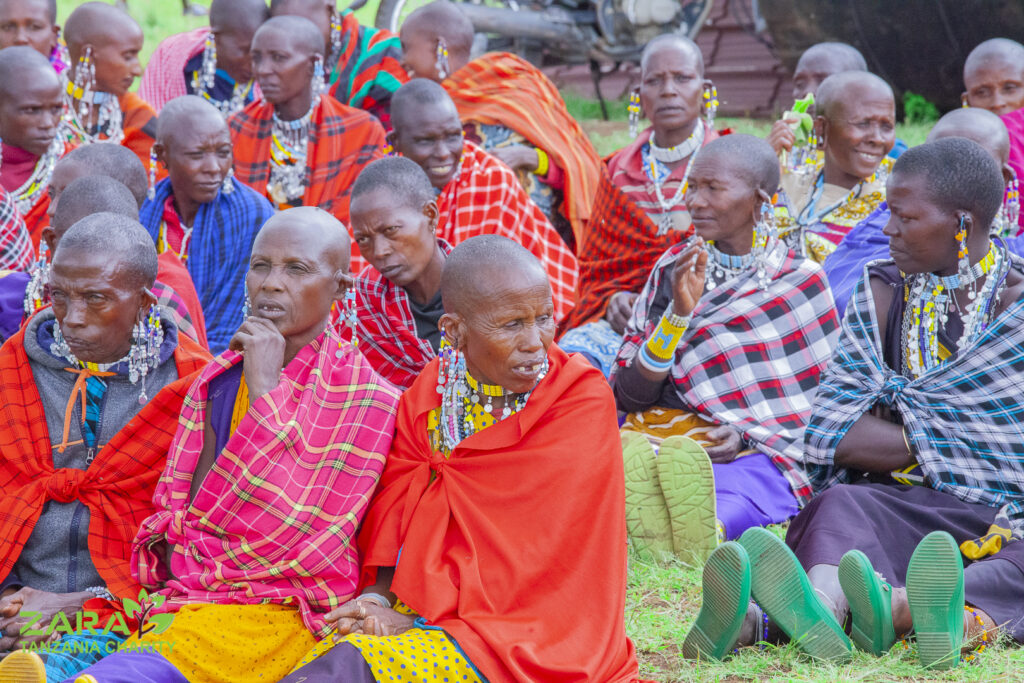
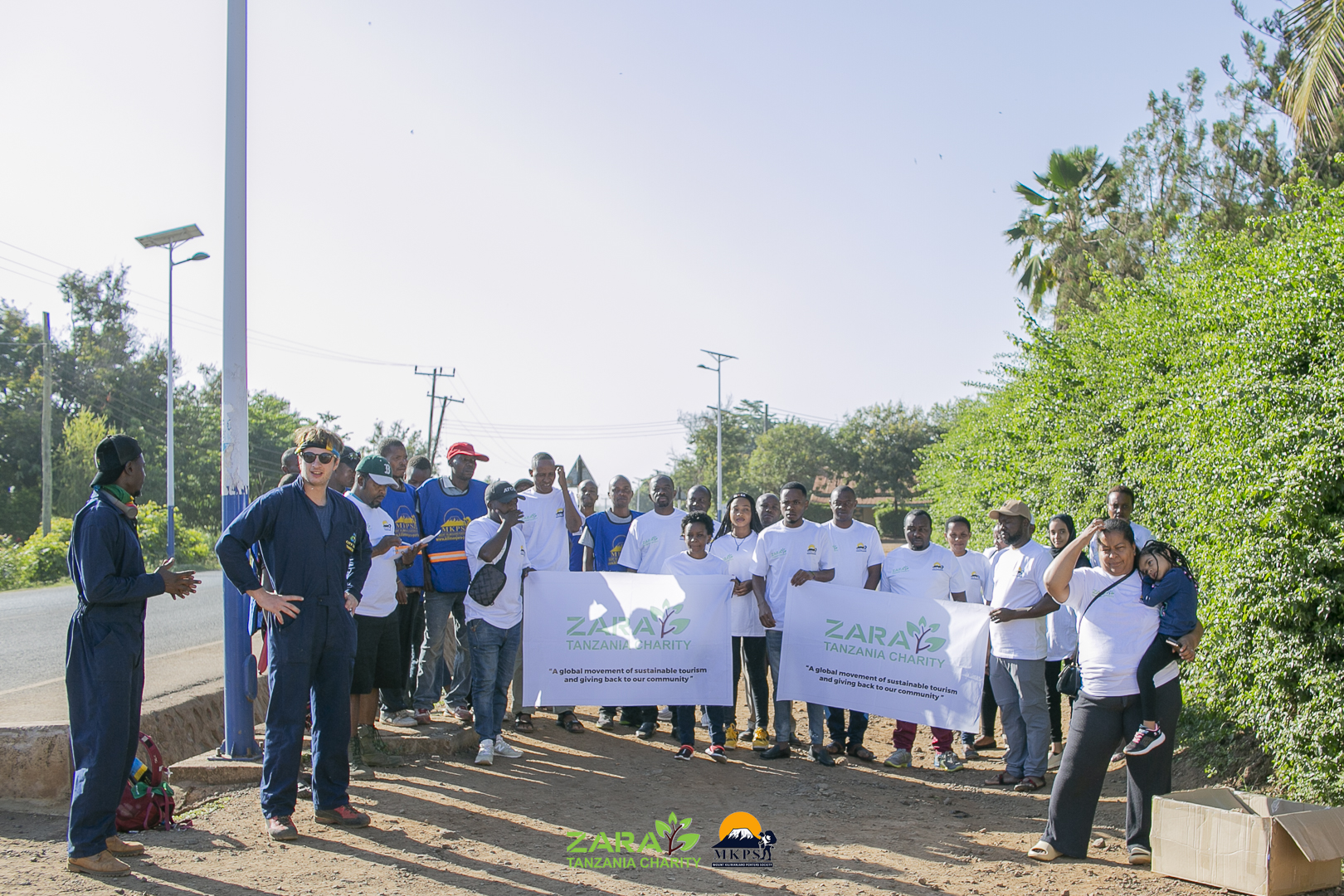
Maasai women in remote rural areas of the Ngorongoro Conservation Area had limited income-generating opportunities. Traditional livelihoods were often constrained, household incomes were low, and women had few pathways to financial independence. At the same time, local ecosystems needed better protection of forests and pollinators. Without alternative sustainable livelihoods, both economic hardship for women and pressure on the natural environment persisted.
What did we do?
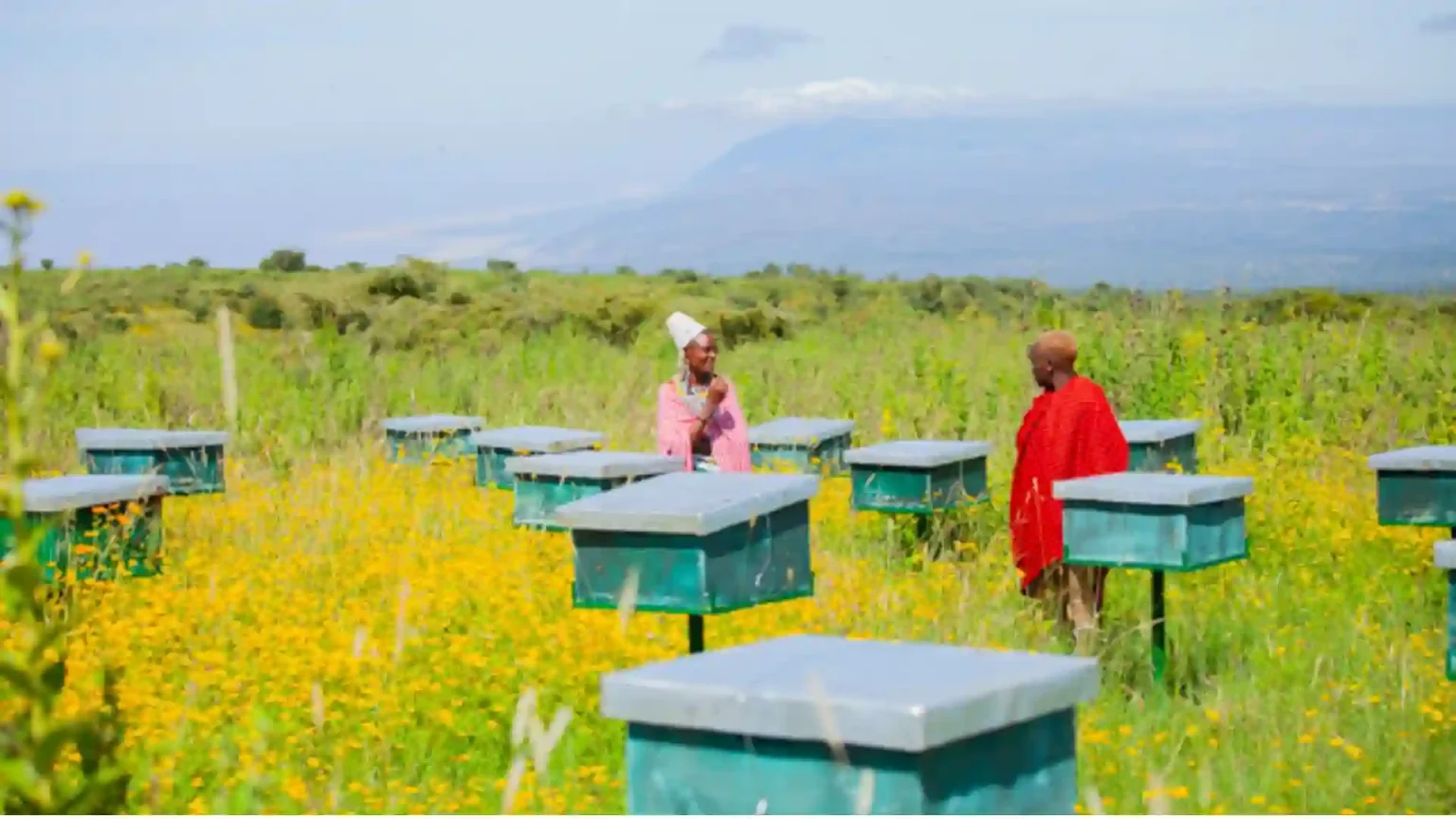
Zara Charity launched the Asali Project in 2022. The programme provides:
- Hands-on training in sustainable beekeeping and honey processing
- Start-up support including beehives and eco-friendly equipment
- Guidance on producing and packaging organic honey
- Support for women’s groups to manage and market their honey and related products (sometimes combined with beadwork)
- A model that links income generation with forest and pollinator protection
The project enables women to earn money while actively contributing to environmental conservation.
Where did we do it?
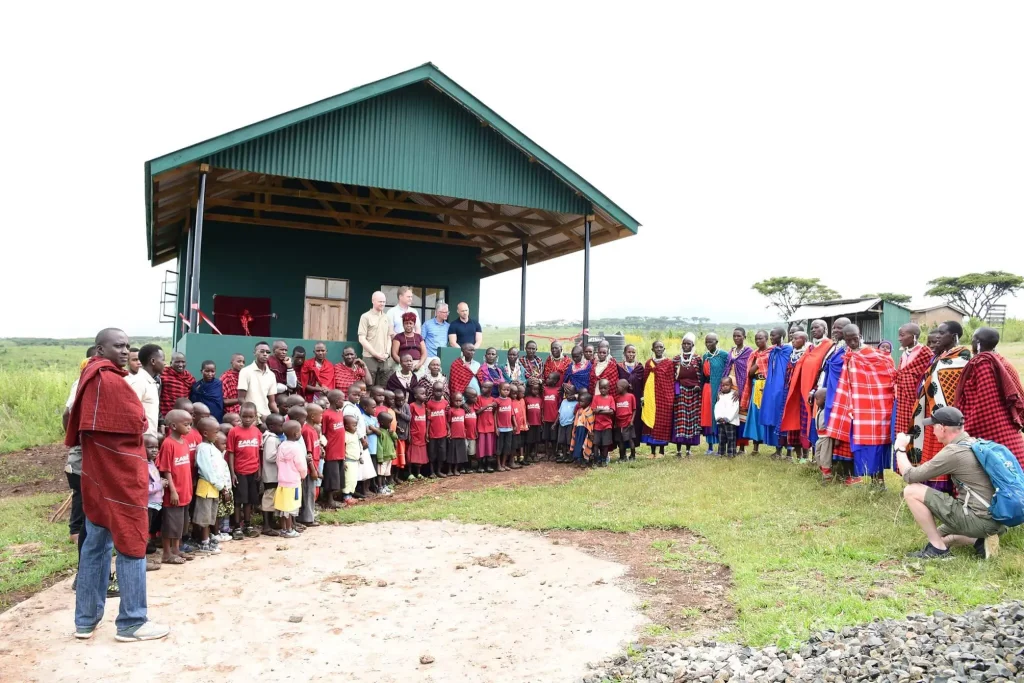
Within the Ngorongoro Conservation Area, specifically in and around the village of Isirwa and surrounding Maasai communities.
Who benefited?
- Maasai women and women’s groups who gained new skills and independent income
- Their families (improved ability to pay for education, healthcare, and household needs)
- Local communities through stronger economic activity and environmental stewardship
- The wider ecosystem (forests, pollinators, and biodiversity)
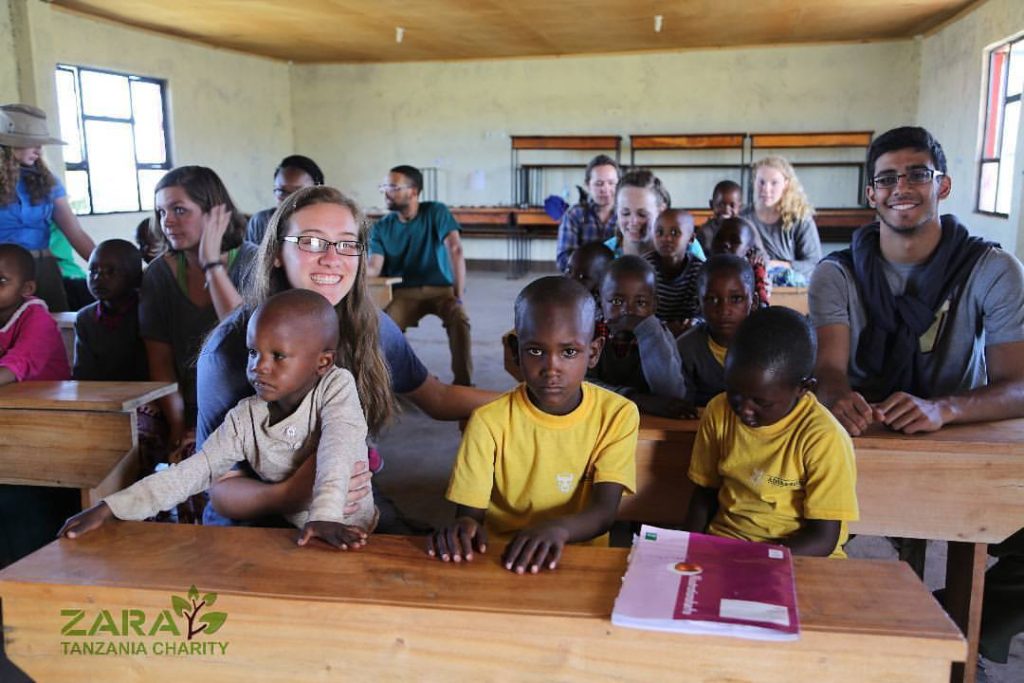
- Related education initiatives (income from the project has supported local schooling efforts)
What has been achieved?
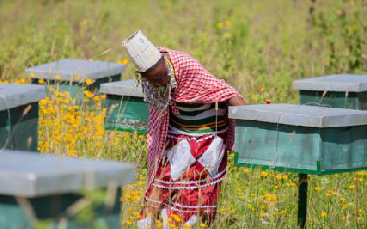
- Project successfully established in 2022, beginning with a pilot of 20 beehives
- Women trained in modern, sustainable beekeeping and honey production techniques
- Women’s groups now producing and selling organic honey (and in some cases complementary products)
- Documented income improvements — examples show women earning meaningful monthly income that has funded school fees, healthcare, and home improvements
- Individual success stories of women taking leadership roles within their groups
- Dual impact: economic empowerment for women + active support for forest and pollinator protection
- Strengthened community cooperation and a tangible model of sustainable rural livelihoods
What still needs support?
- Expansion of the number of beehives and participating women’s groups
- Additional training, equipment, and start-up support for new participants
- Stronger market access and sales channels for the honey (including tourism and wider markets)
- Ongoing technical support to maintain hive health and production quality
- Resources to scale the environmental benefits (more forest/pollinator protection)
- Long-term funding to ensure the project remains sustainable and reaches more communities
The Asali Project (“Asali” means “honey” in Swahili) delivers the sweetness of sustainable living — creating real income for Maasai women while protecting the natural environment that sustains their communities.