Stop 01
Environment Moshi and the Kilimanjaro Region
The environment Moshi sits at the foot of Africa’s highest mountain. The Kilimanjaro environment supports farms, towns, tourism, and wildlife corridors. Rapid population growth and changing land use put that system under strain.
Waste, tree loss, and pressure on water sources are visible challenges. They affect health, livelihoods, and the landscape that draws visitors to the region. Therefore local action matters for both residents and the wider conservation picture.
Zara Tanzania Charity supports practical environmental work alongside its other programs. You can learn about the organisation on our about us page and see the people behind the mission on the our founder page.
Stop 02
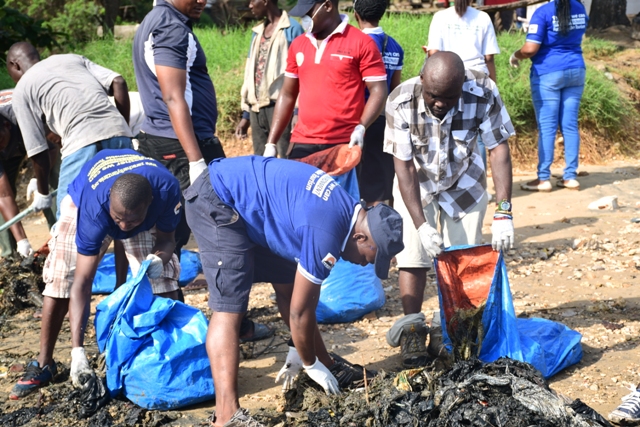
Waste and the Need to Clean Up Moshi
Plastic and other solid waste accumulate in drains, open spaces, and waterways. When rains come, blocked drains flood. Waste that reaches rivers affects downstream communities and ecosystems.
Informal dumping is common where formal collection is limited. Burning waste releases smoke that harms air quality. The problem is practical and visible in daily life.
Clean up Moshi efforts by community groups and local partners remove waste from hotspots and raise awareness. Regular action prevents small piles from becoming permanent dumps.
Education about sorting and reducing single-use plastics strengthens the effect of each clean-up. Change lasts longer when habits shift alongside physical removal.
Markets and small businesses generate a large share of packaging waste. Working with traders to reduce plastic bags and improve disposal makes clean-ups more effective. Prevention and removal must run together.
Stop 03
Deforestation Pressure in the Kilimanjaro Environment
Trees are cut for fuel, building materials, and to clear land for farming. On the mountain slopes and in surrounding areas this reduces forest cover. Soil becomes more vulnerable to erosion. Water regulation suffers.
The Kilimanjaro environment depends on healthy forests for water that feeds farms and towns below. When tree cover declines, dry-season flows can weaken and flood risk can rise after heavy rain.
Conservation Kilimanjaro work therefore includes protecting remaining forest and restoring trees on degraded land. Local ownership of these efforts improves the chance of long-term success.
On the mountain itself, park authorities and tourism operators also play a role in conservation Kilimanjaro. The slopes below the park boundary, however, are where most community tree planting and waste work take place. Both zones matter for the health of the whole system.
For background on related community programs, see our projects page.
Stop 04
Water and Soil Under Pressure
Moshi and surrounding villages rely on water that originates on the mountain. Pollution from waste and agricultural runoff threatens quality. Over-extraction in some areas adds further stress.
Soil erosion on cleared slopes reduces farm productivity. Sediment fills waterways. The link between tree cover, soil, and water is direct and well understood locally.
Environmental work that combines tree planting Tanzania activities with better waste management therefore protects both land and water. The benefits reach farmers, town residents, and the tourism economy that depends on a healthy landscape.
Visitors who come for Kilimanjaro or cultural tours notice the state of the environment. Cleaner streets and greener slopes improve the experience. Environmental work therefore supports livelihoods linked to tourism as well as those linked to farming.
Stop 05
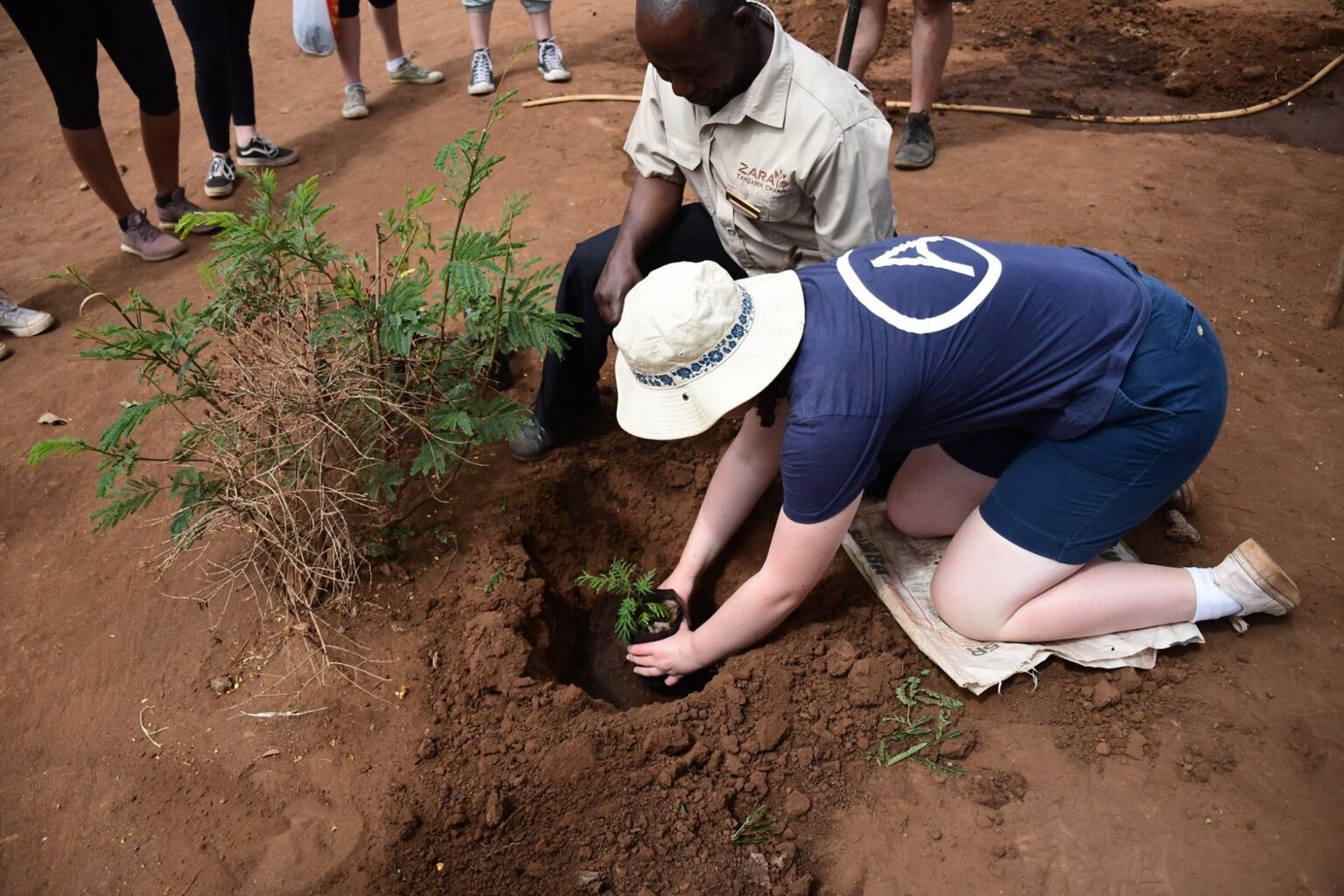
Tree Planting Tanzania in the Kilimanjaro Area
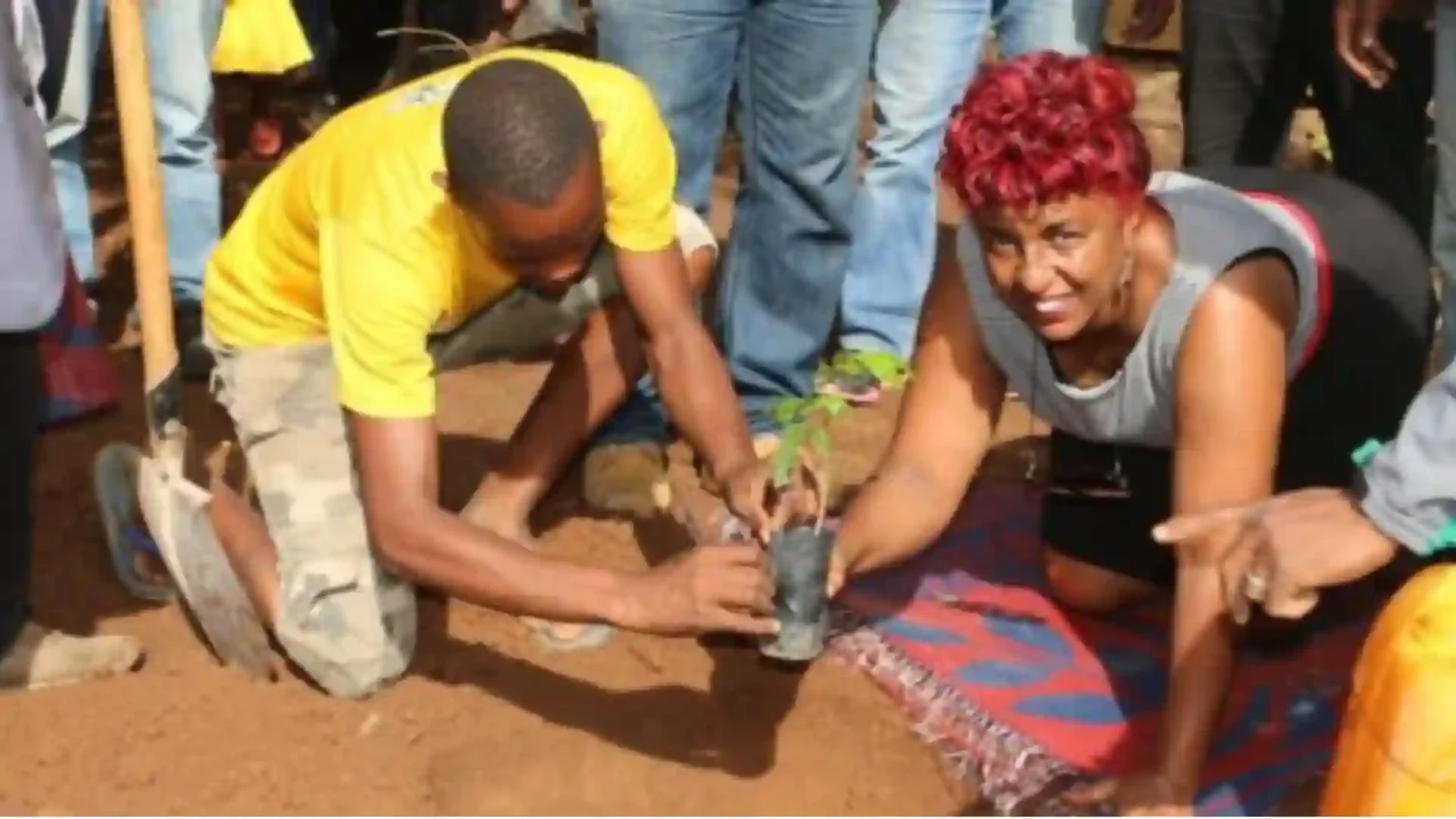
Tree planting Tanzania projects in this region focus on native and useful species. The goal is not only numbers of seedlings but survival rates and community care after planting.
Schools, women’s groups, and village committees often lead local planting days. When people plant trees on their own land or communal plots, they have a stake in protecting them.
Follow-up matters as much as the planting day. Watering, weeding, and protection from livestock determine whether seedlings become trees. Programs that budget for aftercare see better results.
Over time, restored cover helps soil, water, and biodiversity. It also gives communities a visible sense of progress on the environment Moshi challenges they face.
Species choice matters. Fast-growing exotic trees can provide fuel and shade quickly. Native species often support more wildlife and fit local ecosystems better. Many projects now mix both according to the site and the community’s priorities.
Stop 06
Clean-Up Moshi and Community Campaigns
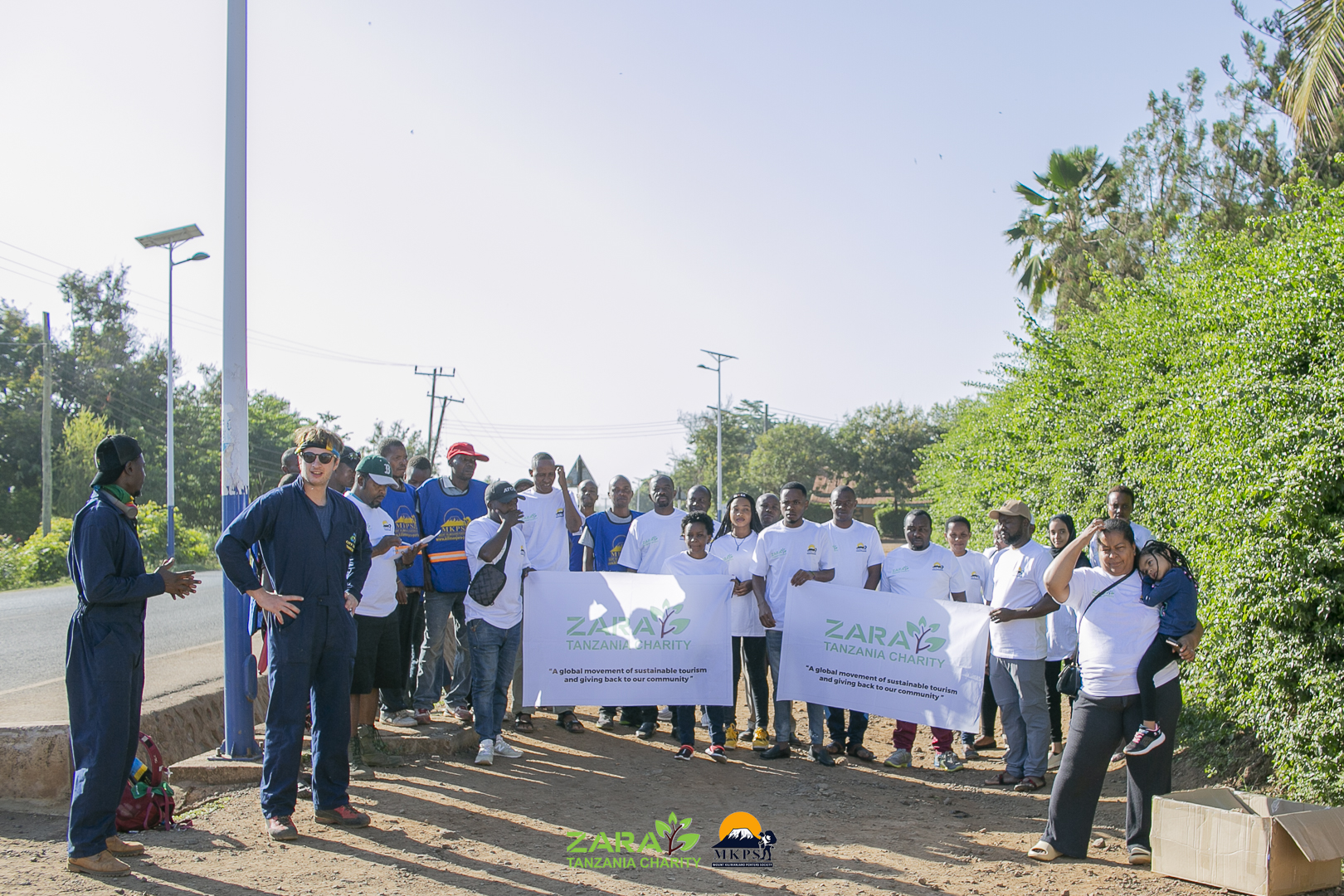
Organised clean-ups remove waste from streets, drains, and public spaces. They also create moments for education. Participants see the volume of discarded plastic and discuss alternatives.
Regular campaigns work better than one-off events. A monthly or seasonal rhythm keeps hotspots from rebuilding. Local leaders who champion the work help maintain momentum.
Partnerships with schools spread the message to young people. When children take part, they often carry new habits home. The clean up Moshi effort then reaches beyond the volunteers who attend on the day.
Stop 08
How You Can Support Environmental Work
Donations fund seedlings, tools, transport for clean-ups, and the local coordination that keeps activities running. They also support education materials that change daily habits.
Visitors to the Kilimanjaro region can join organised clean-ups or planting days when timing allows. Taking part creates a direct connection to the environment Moshi efforts seek to protect.
If you want to discuss support or participation, use the contact us page. The team can explain current priorities and how gifts are used.
Sharing accurate information about local environmental challenges also helps. Many people know Kilimanjaro as a mountain to climb. Fewer know the daily pressures on the slopes and the town below. Clear stories invite wider support for conservation Kilimanjaro work.
Stop 09
Environment Moshi FAQs
What are the main environmental challenges in Moshi?
Waste accumulation, deforestation, and pressure on water and soil are among the most visible. Rapid growth intensifies each of them.
How does tree planting Tanzania help the Kilimanjaro region?
Trees protect soil, support water regulation, and restore cover on degraded land. Community-led planting with aftercare has the best survival rates.
Can visitors take part in clean-ups?
Yes, when organised events coincide with a visit. Contact the team in advance to learn about upcoming clean up Moshi activities.
Why does local ownership matter?
Projects last longer when residents choose the sites, do the work, and see the benefits. Outside support works best as a partner, not a replacement.
Where can I see current environmental projects?
Visit the projects page or ask via contact us for the latest updates.
Stop 10 · Act for the Environment
Support Environmental Work — Donate or Join a Clean-Up
The environment Moshi and the Kilimanjaro environment need practical, ongoing care. Your support funds tree planting, clean-ups, and community action that protect land, water, and health. Join the effort today.
Support Environmental Work — Donate or Join a Clean-Up →



Environment Moshi: Challenges Facing the Kilimanjaro Region
The environment Moshi and the wider Kilimanjaro environment face growing pressure from waste, deforestation, and rapid growth. This guide explains the challenges and how clean-ups, tree planting Tanzania efforts, and community action respond.
Tree planting Tanzania
Community-led action
Environment Moshi and the Kilimanjaro Region
The environment Moshi sits at the foot of Africa’s highest mountain. The Kilimanjaro environment supports farms, towns, tourism, and wildlife corridors. Rapid population growth and changing land use put that system under strain.
Waste, tree loss, and pressure on water sources are visible challenges. They affect health, livelihoods, and the landscape that draws visitors to the region. Therefore local action matters for both residents and the wider conservation picture.
Zara Tanzania Charity supports practical environmental work alongside its other programs. You can learn about the organisation on our about us page and see the people behind the mission on the our founder page.
Waste and the Need to Clean Up Moshi
Plastic and other solid waste accumulate in drains, open spaces, and waterways. When rains come, blocked drains flood. Waste that reaches rivers affects downstream communities and ecosystems.
Informal dumping is common where formal collection is limited. Burning waste releases smoke that harms air quality. The problem is practical and visible in daily life.
Clean up Moshi efforts by community groups and local partners remove waste from hotspots and raise awareness. Regular action prevents small piles from becoming permanent dumps.
Education about sorting and reducing single-use plastics strengthens the effect of each clean-up. Change lasts longer when habits shift alongside physical removal.
Markets and small businesses generate a large share of packaging waste. Working with traders to reduce plastic bags and improve disposal makes clean-ups more effective. Prevention and removal must run together.
Deforestation Pressure in the Kilimanjaro Environment
Trees are cut for fuel, building materials, and to clear land for farming. On the mountain slopes and in surrounding areas this reduces forest cover. Soil becomes more vulnerable to erosion. Water regulation suffers.
The Kilimanjaro environment depends on healthy forests for water that feeds farms and towns below. When tree cover declines, dry-season flows can weaken and flood risk can rise after heavy rain.
Conservation Kilimanjaro work therefore includes protecting remaining forest and restoring trees on degraded land. Local ownership of these efforts improves the chance of long-term success.
On the mountain itself, park authorities and tourism operators also play a role in conservation Kilimanjaro. The slopes below the park boundary, however, are where most community tree planting and waste work take place. Both zones matter for the health of the whole system.
For background on related community programs, see our projects page.
Water and Soil Under Pressure
Moshi and surrounding villages rely on water that originates on the mountain. Pollution from waste and agricultural runoff threatens quality. Over-extraction in some areas adds further stress.
Soil erosion on cleared slopes reduces farm productivity. Sediment fills waterways. The link between tree cover, soil, and water is direct and well understood locally.
Environmental work that combines tree planting Tanzania activities with better waste management therefore protects both land and water. The benefits reach farmers, town residents, and the tourism economy that depends on a healthy landscape.
Visitors who come for Kilimanjaro or cultural tours notice the state of the environment. Cleaner streets and greener slopes improve the experience. Environmental work therefore supports livelihoods linked to tourism as well as those linked to farming.
Tree Planting Tanzania in the Kilimanjaro Area
Tree planting Tanzania projects in this region focus on native and useful species. The goal is not only numbers of seedlings but survival rates and community care after planting.
Schools, women’s groups, and village committees often lead local planting days. When people plant trees on their own land or communal plots, they have a stake in protecting them.
Follow-up matters as much as the planting day. Watering, weeding, and protection from livestock determine whether seedlings become trees. Programs that budget for aftercare see better results.
Over time, restored cover helps soil, water, and biodiversity. It also gives communities a visible sense of progress on the environment Moshi challenges they face.
Species choice matters. Fast-growing exotic trees can provide fuel and shade quickly. Native species often support more wildlife and fit local ecosystems better. Many projects now mix both according to the site and the community’s priorities.
Clean-Up Moshi and Community Campaigns
Organised clean-ups remove waste from streets, drains, and public spaces. They also create moments for education. Participants see the volume of discarded plastic and discuss alternatives.
Regular campaigns work better than one-off events. A monthly or seasonal rhythm keeps hotspots from rebuilding. Local leaders who champion the work help maintain momentum.
Partnerships with schools spread the message to young people. When children take part, they often carry new habits home. The clean up Moshi effort then reaches beyond the volunteers who attend on the day.
Community Action for Conservation Kilimanjaro
Lasting environmental improvement depends on local ownership. Outside support can provide tools, seedlings, and organisation. Residents decide where to plant, when to clean, and how to maintain the gains.
Women’s groups, youth associations, and religious communities often supply the energy for ongoing work. When these groups see clear benefits — cleaner streets, better water, or shade and fruit from trees — they stay engaged.
Linking environmental action to other development goals helps. A tree planting day that also discusses fuel-efficient stoves addresses both forest pressure and household health. Integrated approaches use limited resources more effectively.
Common questions about how programs operate appear in our FAQs.
How You Can Support Environmental Work
Donations fund seedlings, tools, transport for clean-ups, and the local coordination that keeps activities running. They also support education materials that change daily habits.
Visitors to the Kilimanjaro region can join organised clean-ups or planting days when timing allows. Taking part creates a direct connection to the environment Moshi efforts seek to protect.
If you want to discuss support or participation, use the contact us page. The team can explain current priorities and how gifts are used.
Sharing accurate information about local environmental challenges also helps. Many people know Kilimanjaro as a mountain to climb. Fewer know the daily pressures on the slopes and the town below. Clear stories invite wider support for conservation Kilimanjaro work.
Environment Moshi FAQs
What are the main environmental challenges in Moshi?
Waste accumulation, deforestation, and pressure on water and soil are among the most visible. Rapid growth intensifies each of them.
How does tree planting Tanzania help the Kilimanjaro region?
Trees protect soil, support water regulation, and restore cover on degraded land. Community-led planting with aftercare has the best survival rates.
Can visitors take part in clean-ups?
Yes, when organised events coincide with a visit. Contact the team in advance to learn about upcoming clean up Moshi activities.
Why does local ownership matter?
Projects last longer when residents choose the sites, do the work, and see the benefits. Outside support works best as a partner, not a replacement.
Where can I see current environmental projects?
Visit the projects page or ask via contact us for the latest updates.
Support Environmental Work — Donate or Join a Clean-Up
The environment Moshi and the Kilimanjaro environment need practical, ongoing care. Your support funds tree planting, clean-ups, and community action that protect land, water, and health. Join the effort today.
Support Environmental Work — Donate or Join a Clean-Up →
Share This:
Dev
Related Posts
Environment Moshi: Challenges & Community Action Cause Awareness Environment Moshi: Challenges Facing the Kilimanjaro Region…
Orphan Support Africa: Vulnerable Children in Tanzania Cause Awareness Orphan Support Africa: What Happens to…
Maasai Women Empowerment: Breaking Poverty Cycles Cause Awareness Maasai Women Empowerment: Breaking Cycles of Poverty…
Education Tanzania: Why Rural Children Miss School Cause Awareness Education Tanzania: Why Rural Children Still…
Kilimanjaro Porters: Hidden Struggles Every Climber Should Know Porter Welfare Guide Kilimanjaro Porters: The Hidden…
Poverty in Tanzania: Real Data, Causes & What’s Being Done Cause Awareness Poverty in Tanzania:…
Meet the Team Behind Zara Tanzania Charity Behind every successful community programme in Tanzania stand…
How to Vet a Charity Before You Donate: A Practical Checklist Donating to a cause…
ZARA Tanzania Charity Our 2026 Impact Report: What We Achieved This Year, By the Numbers…
Meet the Team: The People Behind Zara Tanzania Charity Meaningful community work is, at its…