Stop 01
Poverty in Tanzania: The Real Picture in Numbers
Poverty in Tanzania remains a central development challenge. The country has recorded solid economic growth for years, yet poverty reduction has been slower and uneven. According to World Bank poverty and equity data, a large share of the population still lives below widely used international poverty lines, and national surveys show that millions of households remain vulnerable even when headline growth looks strong.
Using recent World Bank figures and national surveys (the most complete comparable data still draw heavily on the 2018 household survey, with newer Integrated Household Budget Survey results expected to refine the picture):
- Roughly one in four people lived below the national poverty line in the last fully published survey round.
- At the international line of about $3.00 a day (2021 PPP), more than half the population was classified as poor in 2018 data.
- Projections in recent Macro Poverty Outlook notes suggest gradual further decline if growth continues, but structural barriers mean progress is not automatic.
These Tanzania poverty statistics matter because they describe real constraints on food security, school attendance, healthcare access, and the ability of families to invest in the next generation. Understanding the scale is the first step toward effective poverty reduction in Africa’s context—and toward deciding how to respond.

Stop 02
Root Causes of Poverty in Tanzania
Poverty in Tanzania is multi-dimensional. Research and national analyses repeatedly point to several interlocking drivers:
- Rural concentration: The large majority of the poor live in rural areas and depend heavily on low-productivity agriculture.
- Education gaps: Lower educational attainment of household heads is strongly associated with higher poverty risk. Primary schooling alone is often no longer enough for economic mobility.
- Health and nutrition: Illness, malnutrition, and limited access to care trap families in cycles of lost income and higher expenses.
- Limited productive jobs: Formal employment and viable non-farm businesses remain scarce for many, especially outside major cities.
- Rapid population growth: A young and growing population increases pressure on schools, clinics, and local livelihoods.
These factors reinforce one another. A child who misses early education or regular meals is less likely to complete school; a household hit by health shocks can lose the assets that kept it just above the poverty line. Fighting poverty Tanzania-style therefore requires work on education, health, and livelihoods together—not only income transfers.
Stop 03
What’s Being Done About Poverty in Tanzania
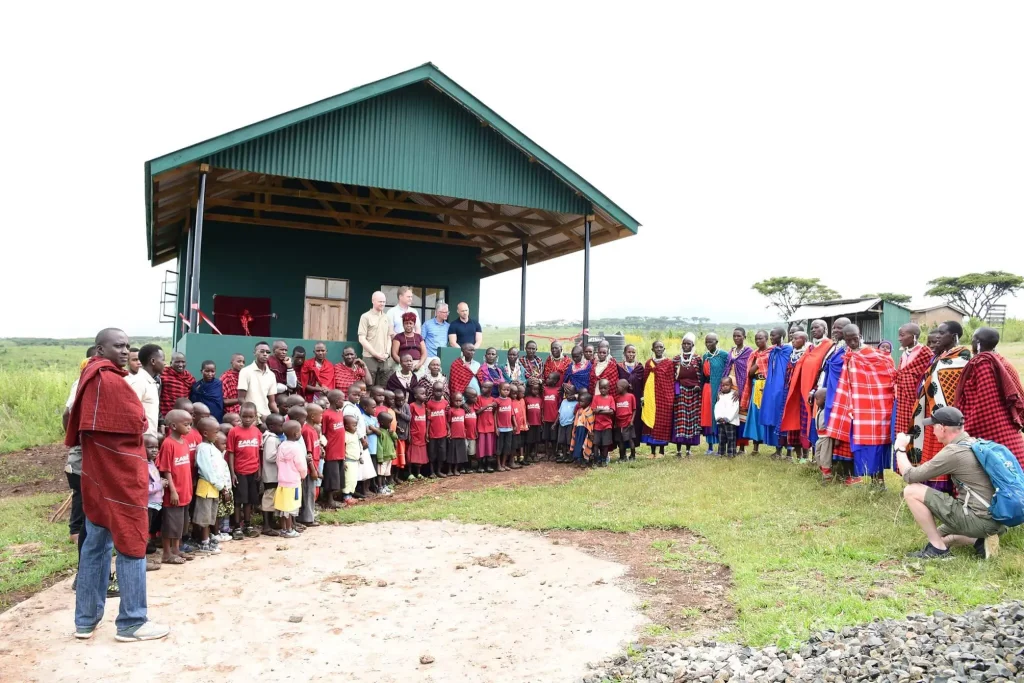
Government strategies, World Bank and other partner programmes, and social safety nets (including cash-transfer and public-works components) aim to expand access to education, health services, and productive opportunities. Progress is real in areas such as primary enrolment and some basic infrastructure, yet gaps in quality, rural reach, and early childhood support remain significant.
Large agencies publish the statistics; local organisations turn those numbers into daily practice—classrooms, meals, skills training, and community support that families can actually use. That is where concrete poverty reduction Africa efforts meet individual children and households.
Stop 04
How Local Programmes Respond: Education, Health & Livelihoods
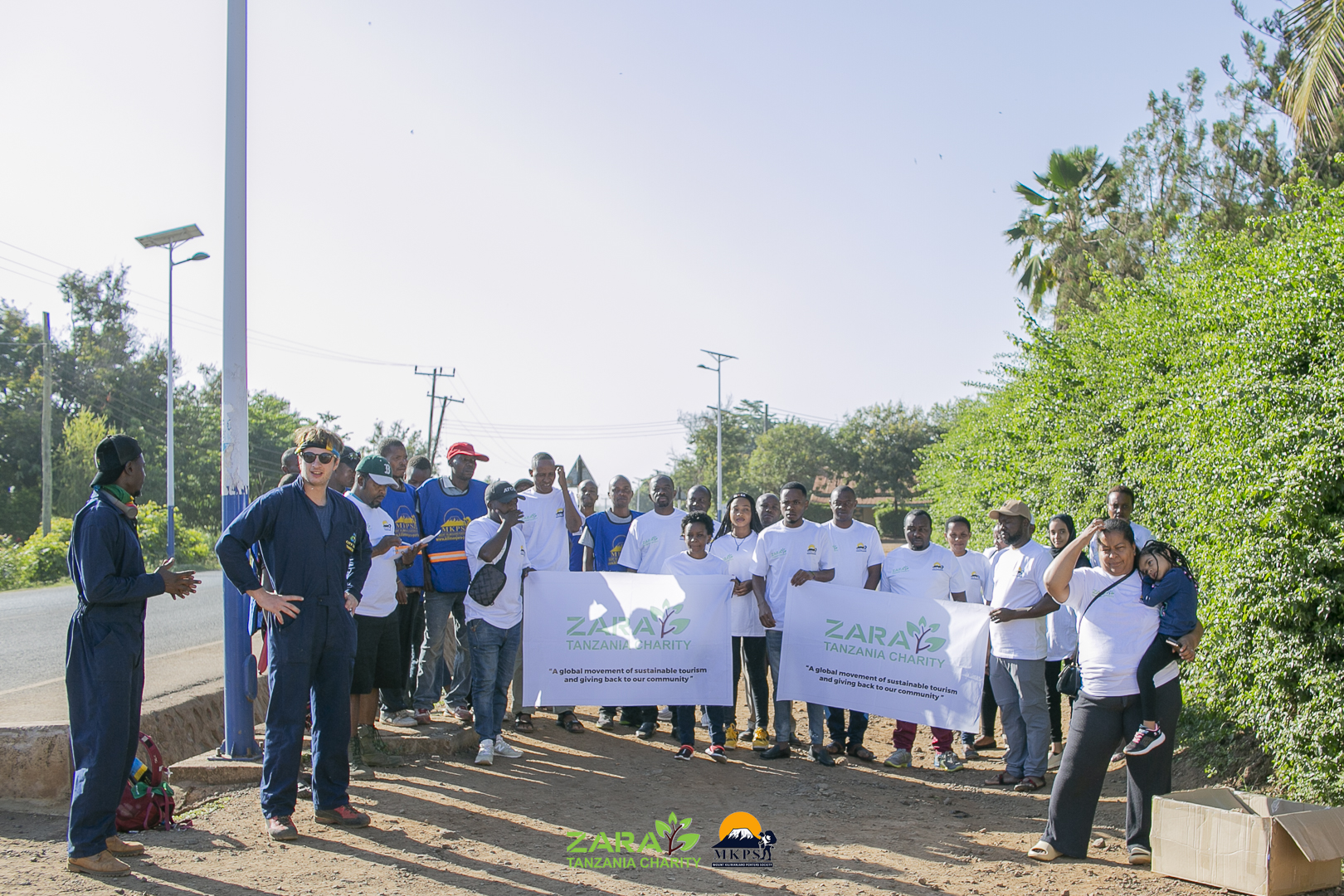
Zara Tanzania Charity works in northern Tanzania with a focus on practical, community-level responses. Through initiatives such as support for children’s education, nutrition, and related care (including work linked to centres serving underprivileged children in the Moshi area), the organisation addresses several of the root causes outlined above:
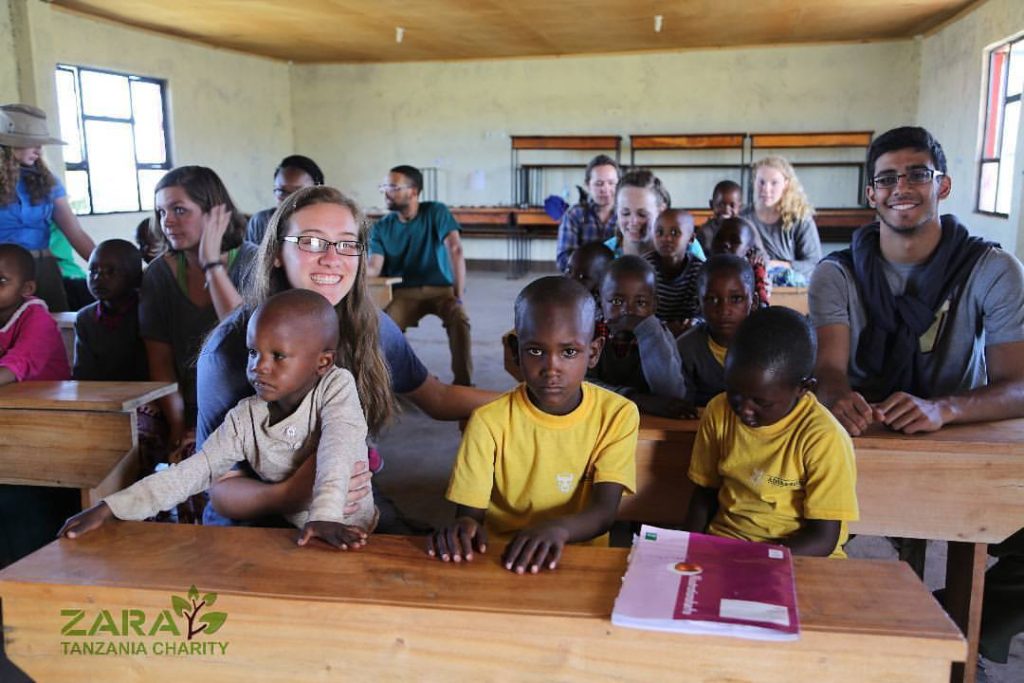
- Education: Early learning, school readiness, materials, and a safe environment so children can stay in school and build human capital.
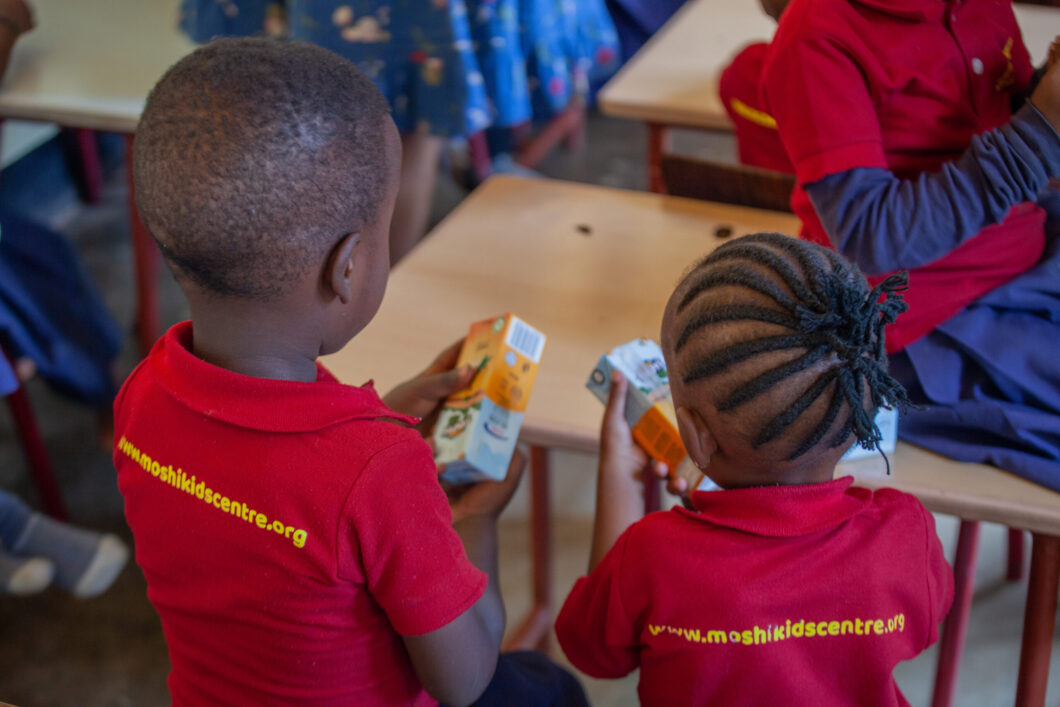
- Nutrition and basic care: Regular meals and support that improve concentration and reduce the health shocks that push families deeper into poverty.
- Dignity and long-term outlook: Programmes designed so children and families are treated as partners in change, not only as recipients of aid.
You can learn more about the people behind the work on the our founder page and the wider vision on the about page. Local programmes cannot replace national policy, but they fill critical gaps and demonstrate what consistent, child-centred support looks like in practice.
Stop 05
From Awareness to Action
Understanding poverty in Tanzania is useful only if it leads somewhere. Data from the World Bank and national surveys explain the scale; root-cause analysis explains why single interventions often fall short; local programmes show where private support can still make a measurable difference in education, health, and daily security for children.
If you want to move from reading about the problem to supporting a concrete response, the next step is straightforward: partner with organisations already working on the ground, ask how funds are used, and choose a form of giving—monthly or one-time—that matches your capacity. Questions about programmes or partnership can be directed through the contact page.
Stop 06 · From Numbers to Change
Be Part of the Solution — Donate
Poverty in Tanzania is measurable, multi-dimensional, and still very present for millions of households. It is also being addressed—through national efforts and through local programmes that put education, nutrition, and care within reach of children who need them most. Your support helps turn that work into daily reality.
Be Part of the Solution — Donate / Get Involved →
About Us ·
Our Founder ·
Contact


Poverty in Tanzania: The Real Picture and What’s Being Done About It
This guide to poverty in Tanzania covers real data, root causes, and what’s being done—including how local programmes in education, health and livelihoods are fighting poverty on the ground.
Root causes explained
Local action highlighted
Poverty in Tanzania: The Real Picture in Numbers
Poverty in Tanzania remains a central development challenge. The country has recorded solid economic growth for years, yet poverty reduction has been slower and uneven. According to World Bank poverty and equity data, a large share of the population still lives below widely used international poverty lines, and national surveys show that millions of households remain vulnerable even when headline growth looks strong.
Using recent World Bank figures and national surveys (the most complete comparable data still draw heavily on the 2018 household survey, with newer Integrated Household Budget Survey results expected to refine the picture):
These Tanzania poverty statistics matter because they describe real constraints on food security, school attendance, healthcare access, and the ability of families to invest in the next generation. Understanding the scale is the first step toward effective poverty reduction in Africa’s context—and toward deciding how to respond.
Root Causes of Poverty in Tanzania
Poverty in Tanzania is multi-dimensional. Research and national analyses repeatedly point to several interlocking drivers:
These factors reinforce one another. A child who misses early education or regular meals is less likely to complete school; a household hit by health shocks can lose the assets that kept it just above the poverty line. Fighting poverty Tanzania-style therefore requires work on education, health, and livelihoods together—not only income transfers.
What’s Being Done About Poverty in Tanzania
Government strategies, World Bank and other partner programmes, and social safety nets (including cash-transfer and public-works components) aim to expand access to education, health services, and productive opportunities. Progress is real in areas such as primary enrolment and some basic infrastructure, yet gaps in quality, rural reach, and early childhood support remain significant.
Large agencies publish the statistics; local organisations turn those numbers into daily practice—classrooms, meals, skills training, and community support that families can actually use. That is where concrete poverty reduction Africa efforts meet individual children and households.
How Local Programmes Respond: Education, Health & Livelihoods
Zara Tanzania Charity works in northern Tanzania with a focus on practical, community-level responses. Through initiatives such as support for children’s education, nutrition, and related care (including work linked to centres serving underprivileged children in the Moshi area), the organisation addresses several of the root causes outlined above:
You can learn more about the people behind the work on the our founder page and the wider vision on the about page. Local programmes cannot replace national policy, but they fill critical gaps and demonstrate what consistent, child-centred support looks like in practice.
From Awareness to Action
Understanding poverty in Tanzania is useful only if it leads somewhere. Data from the World Bank and national surveys explain the scale; root-cause analysis explains why single interventions often fall short; local programmes show where private support can still make a measurable difference in education, health, and daily security for children.
If you want to move from reading about the problem to supporting a concrete response, the next step is straightforward: partner with organisations already working on the ground, ask how funds are used, and choose a form of giving—monthly or one-time—that matches your capacity. Questions about programmes or partnership can be directed through the contact page.
Be Part of the Solution — Donate
Poverty in Tanzania is measurable, multi-dimensional, and still very present for millions of households. It is also being addressed—through national efforts and through local programmes that put education, nutrition, and care within reach of children who need them most. Your support helps turn that work into daily reality.
Be Part of the Solution — Donate / Get Involved →
About Us ·
Our Founder ·
Contact
Share This:
Dev
Related Posts
Environment Moshi: Challenges & Community Action Cause Awareness Environment Moshi: Challenges Facing the Kilimanjaro Region…
Orphan Support Africa: Vulnerable Children in Tanzania Cause Awareness Orphan Support Africa: What Happens to…
Maasai Women Empowerment: Breaking Poverty Cycles Cause Awareness Maasai Women Empowerment: Breaking Cycles of Poverty…
Education Tanzania: Why Rural Children Miss School Cause Awareness Education Tanzania: Why Rural Children Still…
Kilimanjaro Porters: Hidden Struggles Every Climber Should Know Porter Welfare Guide Kilimanjaro Porters: The Hidden…
Poverty in Tanzania: Real Data, Causes & What’s Being Done Cause Awareness Poverty in Tanzania:…
Meet the Team Behind Zara Tanzania Charity Behind every successful community programme in Tanzania stand…
How to Vet a Charity Before You Donate: A Practical Checklist Donating to a cause…
ZARA Tanzania Charity Our 2026 Impact Report: What We Achieved This Year, By the Numbers…
Meet the Team: The People Behind Zara Tanzania Charity Meaningful community work is, at its…