What was the problem?
Kilimanjaro porters (often low-income, and in many cases semi-literate or with limited formal education) historically faced poor working conditions, inadequate pay, lack of proper gear, no health insurance, heavy loads, limited safety training, and little job security. At the same time, the mountain suffered from accumulated waste left by climbers and support crews, threatening the fragile alpine environment, trails, and the long-term sustainability of tourism on Africa’s highest peak.
What did we do?
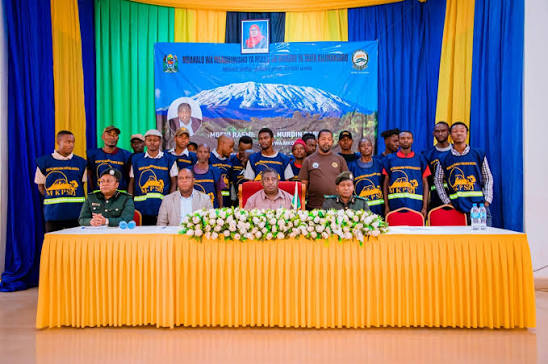
Zara Tanzania Charity / Zara Tanzania Adventures has partnered with the Mount Kilimanjaro Porters Society (MKPS, registered 2005) since its early days. Key actions include:
- Prioritising employment of MKPS porters on Zara climbs and advocating for fair wages, reasonable load limits, proper food, shelter, and equipment.
- Supporting health insurance (notably enrolling large numbers of porters — reports of 500–1,200 covered through initiatives linked to Zara Charity).
- Providing or facilitating training in first aid, health & safety, financial literacy, English, and environmental awareness.
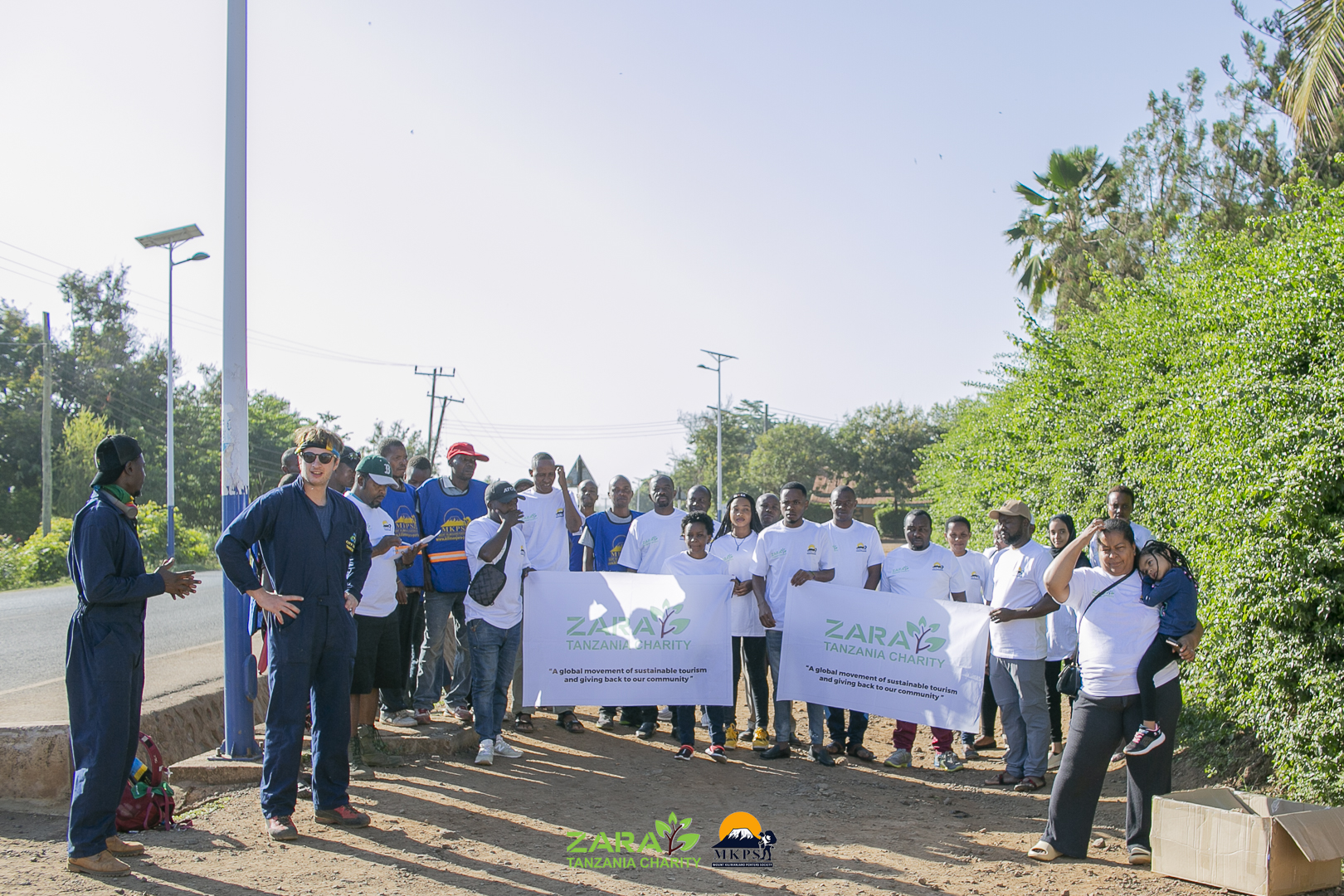
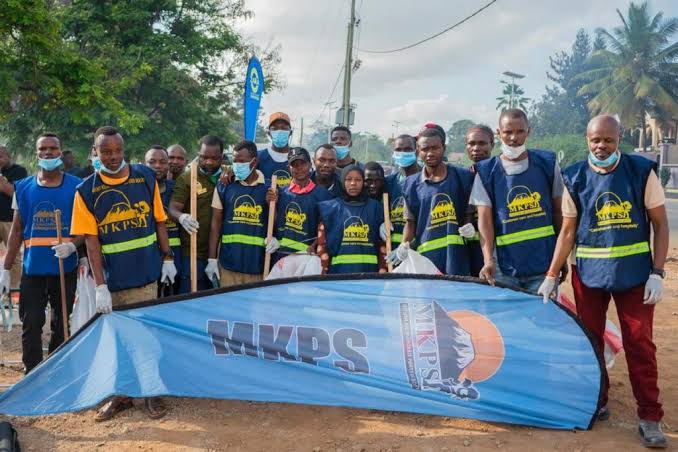
- Organising the annual Mount Kilimanjaro Clean-Up Campaign, typically held in the quieter November rainy season. Teams of porters, guides, staff, and partners systematically collect waste from major routes (e.g., Lemosho and Shira in 2025).
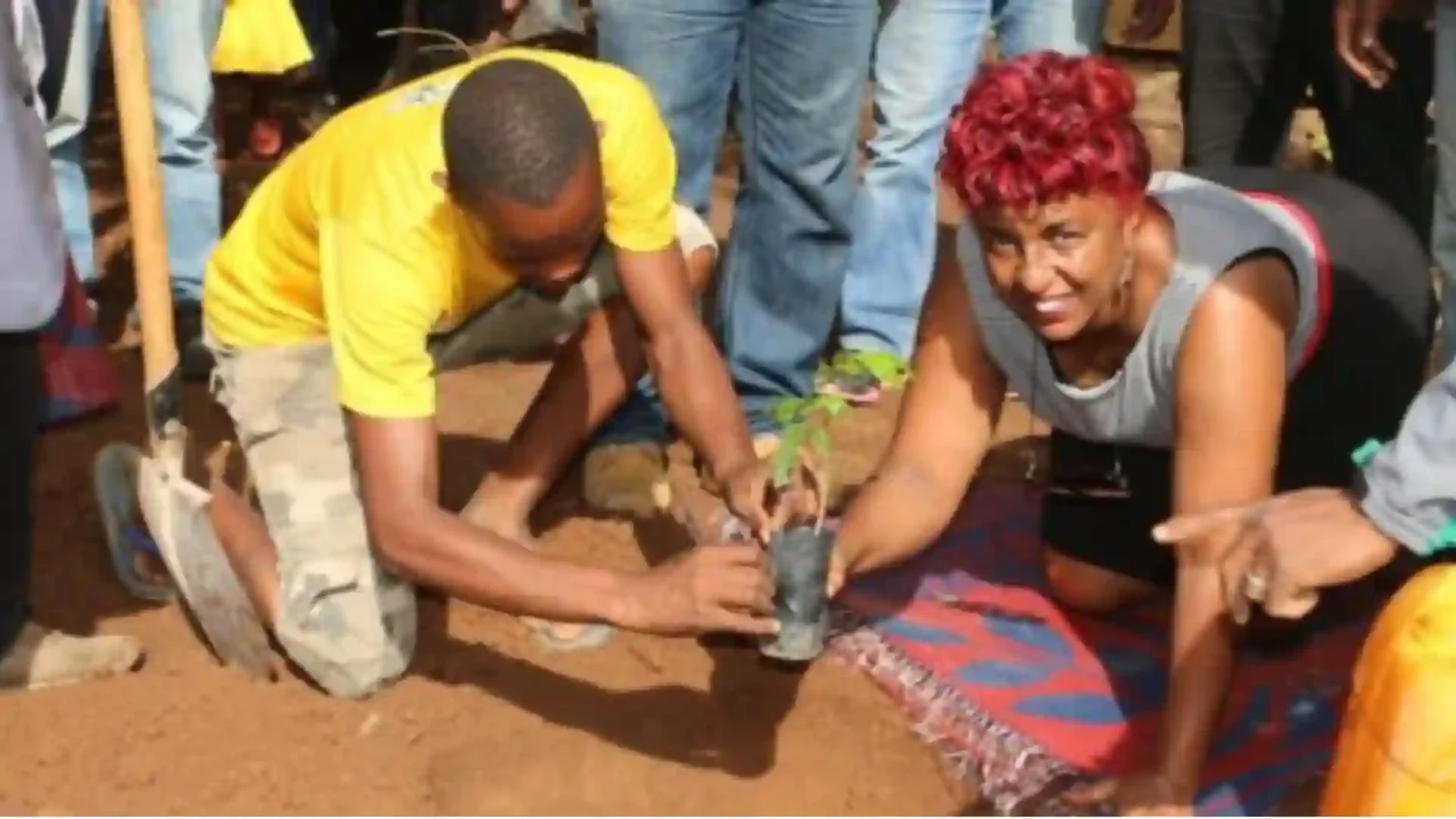
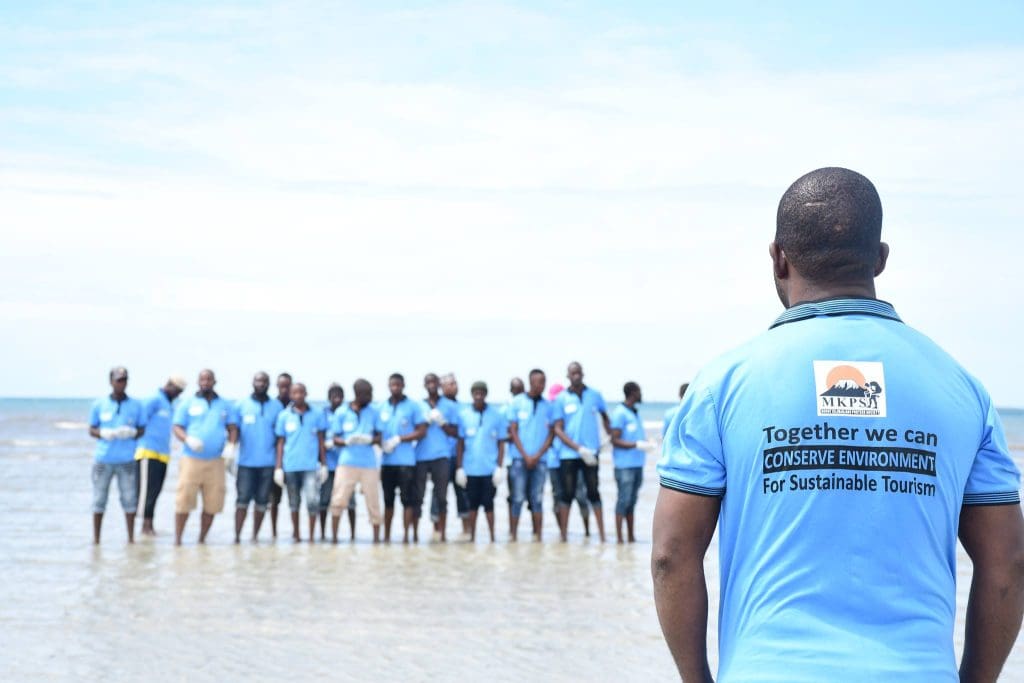
- Extending environmental efforts to community clean-ups around Moshi and coastal/ocean clean-ups (e.g., removing tonnes of plastic waste in partnership with MKPS).
- Promoting the “Green Tanzania Starts With Us” philosophy and Leave No Trace practices on every climb.
Where did we do it?
Primarily on Mount Kilimanjaro (various routes and camps), the surrounding Kilimanjaro foothills and Moshi area, and occasionally coastal regions (Indian Ocean clean-ups in places such as Tanga). Clean-up work focuses on high-traffic trekking routes during low-season periods.
Who benefited?
- Kilimanjaro and Meru porters and mountain crew (improved wages, safety, insurance, skills, and dignity).
- Guides and the wider mountain tourism workforce.
- Local communities around Moshi and the mountain base.
- Future climbers and the tourism industry through cleaner, safer trails and a stronger ethical reputation.
- The mountain ecosystem itself and future generations who will inherit a better-protected Kilimanjaro.
What has been achieved?
- Long-term partnership with MKPS providing structured employment opportunities and welfare support for hundreds of porters.
- Landmark health insurance coverage for large numbers of porters (pioneering efforts reported as covering 1,200 at one stage and ongoing support for hundreds).
- Training programmes in first aid, safety, financial management, and environmental care.
- Consistent annual clean-up campaigns; in 2025 alone, more than 600 kg of waste (plastic bottles, food packaging, old gear, etc.) was removed from the mountain by a team of ~30–35 porters, guides, and partners.
- Broader environmental impact including community clean-ups and significant plastic removal from coastal areas (reports of several tonnes in earlier ocean campaigns).
- Raised industry and visitor awareness of ethical trekking and the “Green Tanzania Starts With Us” message.
- Contribution to better working standards and a model of responsible mountain tourism.
What still needs support?
- Ongoing and expanded health insurance, proper gear, and welfare coverage for more porters.
- Continued and scaled training (first aid, safety, financial literacy, language skills).
- Sustained funding and volunteer participation for annual mountain and community clean-ups.
- Stronger industry-wide adoption of fair porter standards and waste-reduction practices.
- Resources for monitoring, trail maintenance, and longer-term environmental restoration on and around Kilimanjaro.
- Support to help more porters build financial resilience during low seasons and transition into better opportunities.
This project combines social justice for the mountain workforce with direct environmental protection, making it a core expression of Zara Charity’s belief that tourism should benefit both people and place.