What was the problem?
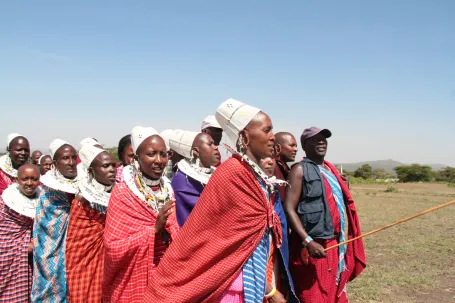
Maasai women in traditional communities often faced deep cultural and economic constraints. Many experienced limited access to education, restricted decision-making power, economic dependence, and social norms that prioritised male authority. These barriers left large numbers of women without marketable skills, financial independence, or opportunities to contribute meaningfully to household income, trapping families in cycles of poverty and limiting women’s confidence and self-reliance.
What did we do?
Zara Charity launched the Maasai Women Make a Change initiative to equip women with practical skills and economic tools. The programme delivers:
- Vocational training (including sewing/tailoring and related skills)
- Entrepreneurship and small-business training
- Financial education (budgeting, savings, and investment)
- Hotel/hospitality management training
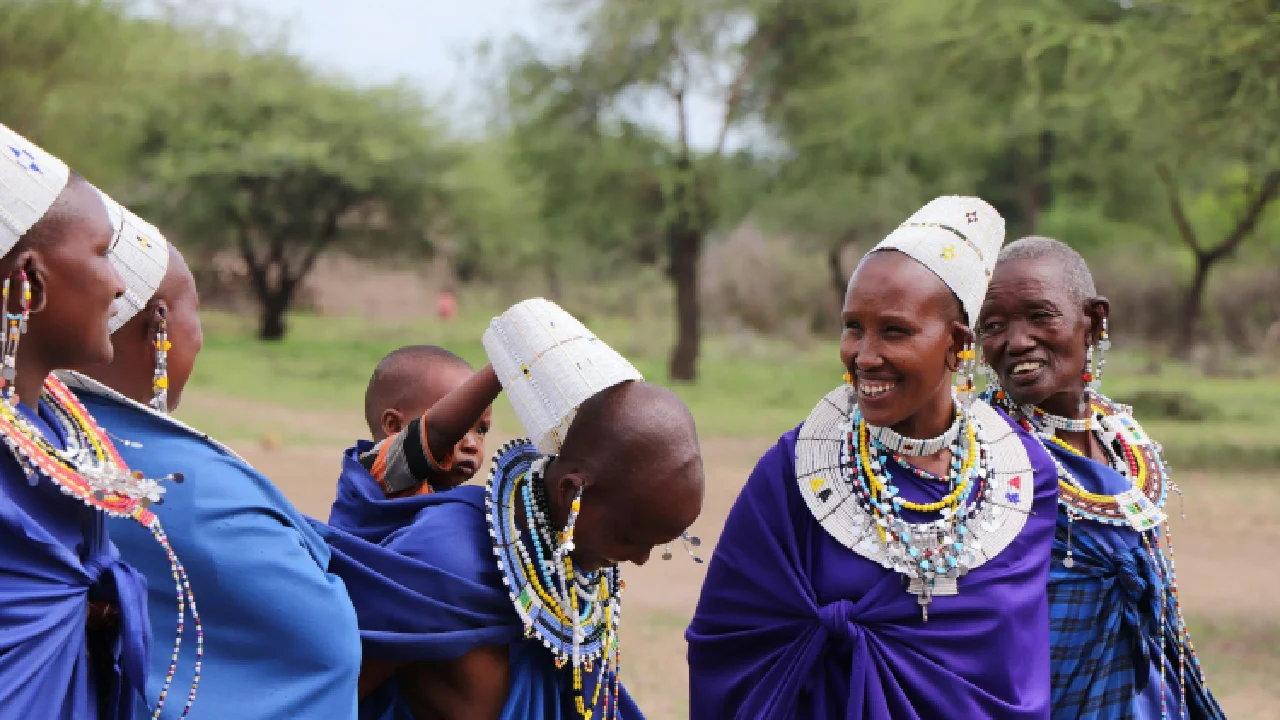
- Support for cultural product development (e.g., fusion dress design and beadwork in partnership with groups such as the Karatu Maasai women)
- Opportunities to sell products and services, sometimes linked to tourism markets
Women receive hands-on workshops, start-up support in some cases (e.g., sewing machines), and pathways into income-generating activities.
Where did we do it?
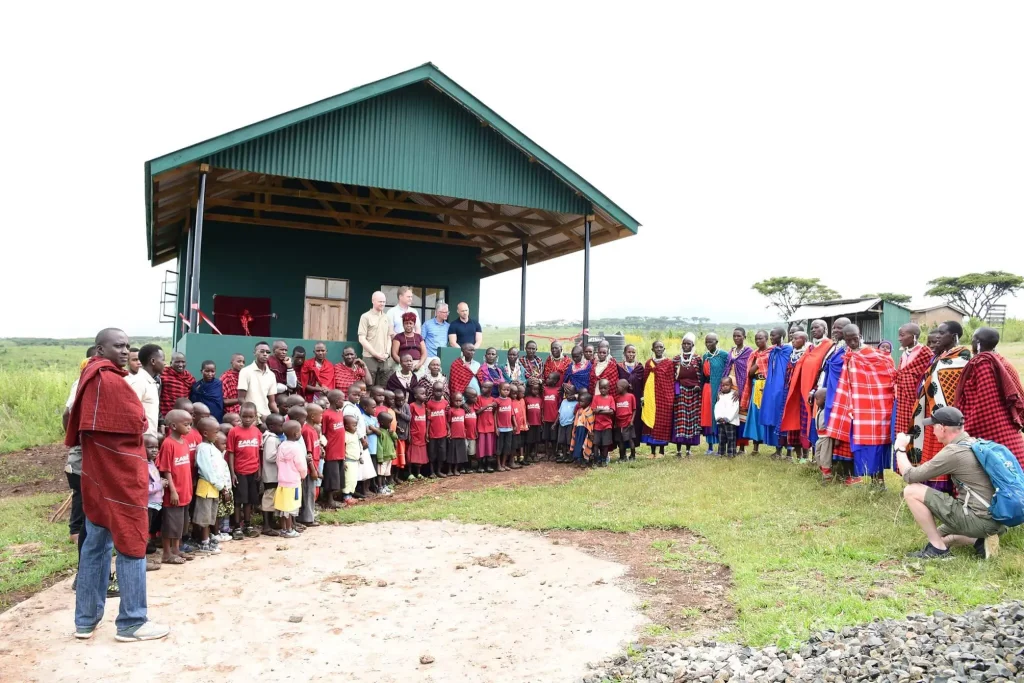
Primarily in Maasai communities in northern Tanzania, including areas around Ngorongoro, Karatu, and Moshi. Activities reach both rural Maasai groups and women connected to broader community programmes in the Kilimanjaro region.
Who benefited?
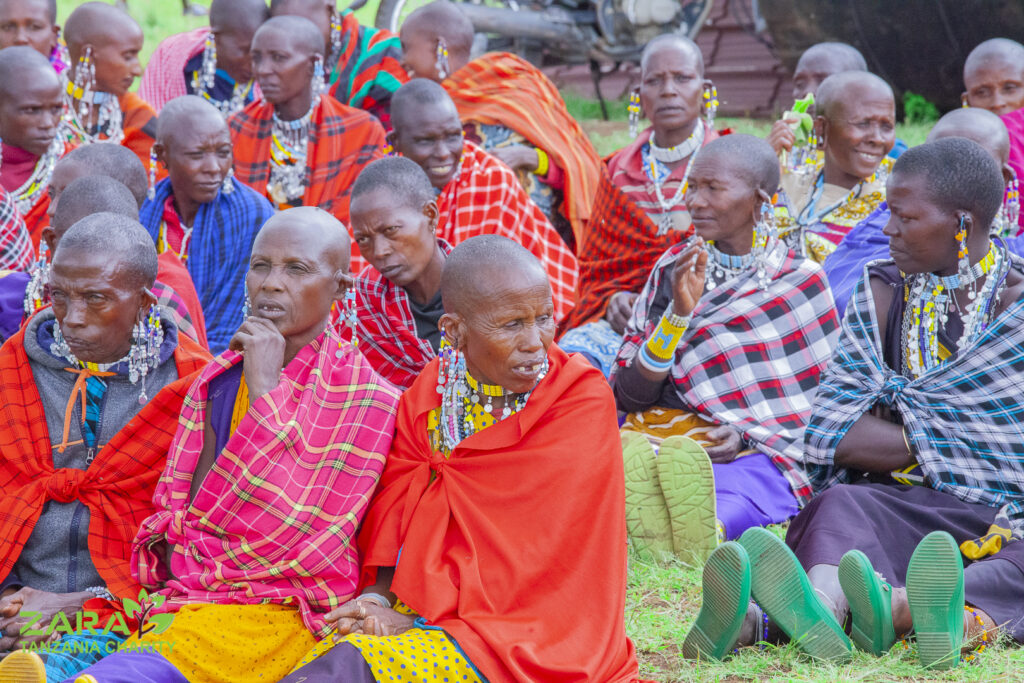
- Maasai women who gained skills, confidence, and independent income
- Their families (improved household finances, ability to pay for children’s education and healthcare)
- Local communities through stronger women’s participation and economic activity
- The wider tourism and hospitality sector that can access skilled local talent and authentic cultural products
What has been achieved?
- Hundreds of women trained (charity-wide figures reference 500+ women empowered across related programmes)
- Women launching or joining small businesses (tailoring, beadwork, crafts, hospitality roles)
- Measurable increases in household income and financial independence for many participants
- Greater confidence, leadership, and decision-making power among participating women
- Cultural products (beadwork, fusion dresses, etc.) successfully marketed, preserving heritage while generating income
- A recognised model of women’s economic empowerment that challenges restrictive traditional norms
- Some women now employing others or supporting their children’s education as a direct result
What still needs support?
- Expansion of vocational training centres and more training places for additional women
- Continued provision of start-up tools (sewing machines, materials, etc.) and seed capital
- Stronger market linkages and sales channels for women’s products
- Ongoing financial literacy and business mentoring so enterprises remain sustainable
- Scaling the programme to reach more remote Maasai communities
- Long-term funding to maintain trainers, workshops, and follow-up support
This project transforms lives by giving Maasai women the skills, confidence, and economic power to achieve independence and create lasting change for themselves and their families.