What was the problem?
Deforestation, soil degradation, and the broader impacts of climate change threatened Tanzania’s natural environment, water sources, and biodiversity. Local communities and future generations needed greater awareness of the benefits of trees for soil protection, carbon reduction, air quality, and long-term environmental sustainability. Without active restoration and education, natural heritage and resources were at risk.
What did we do?
Zara Charity Tanzania established and operates a tree nursery in Pasua that produces seedlings and distributes them to local schools and communities. The program includes:
- Growing and supplying seedlings.
- Community education sessions on the importance of trees, how to care for them, soil protection, and carbon reduction.
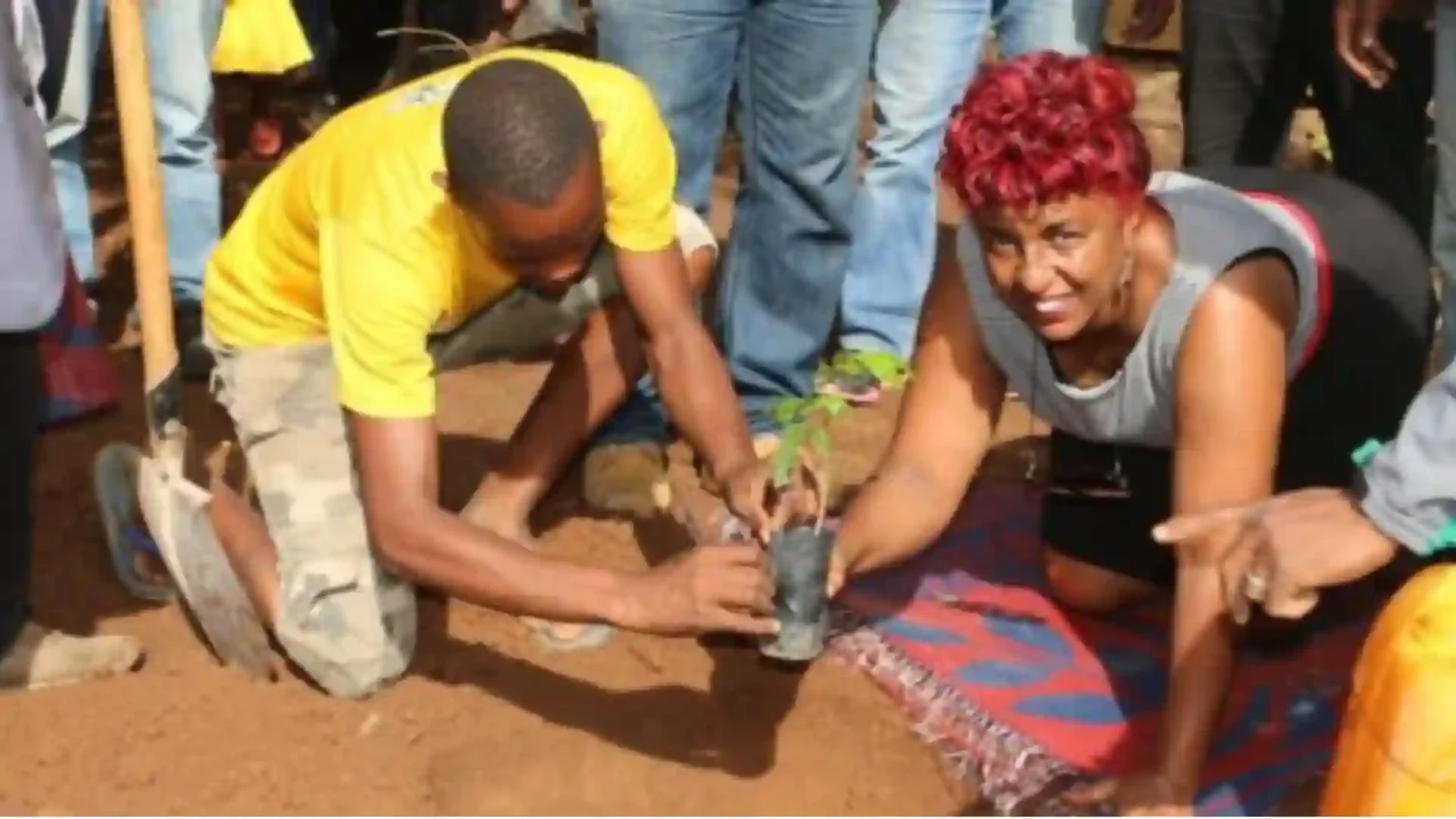
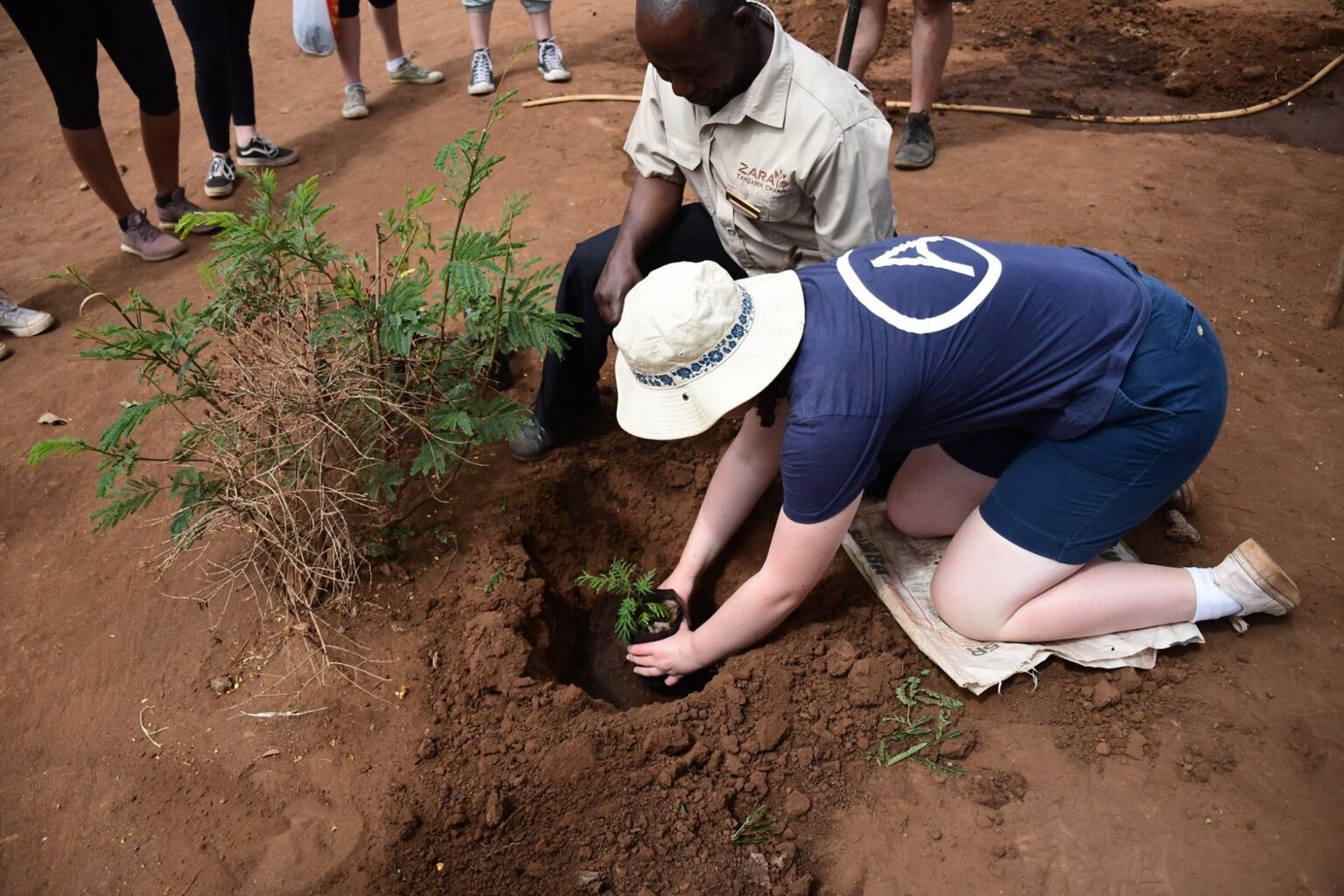
- Hands-on planting activities involving students and residents.
- A responsible tourism option allowing travellers to plant a tree (typically for a contribution of about USD 15).
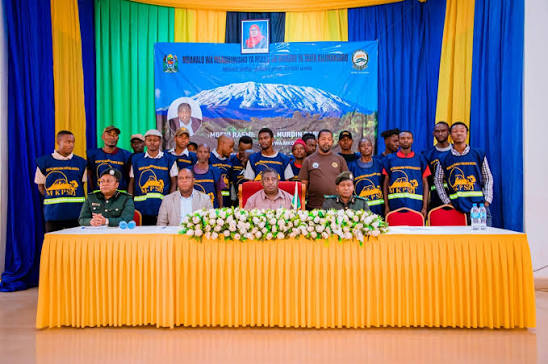
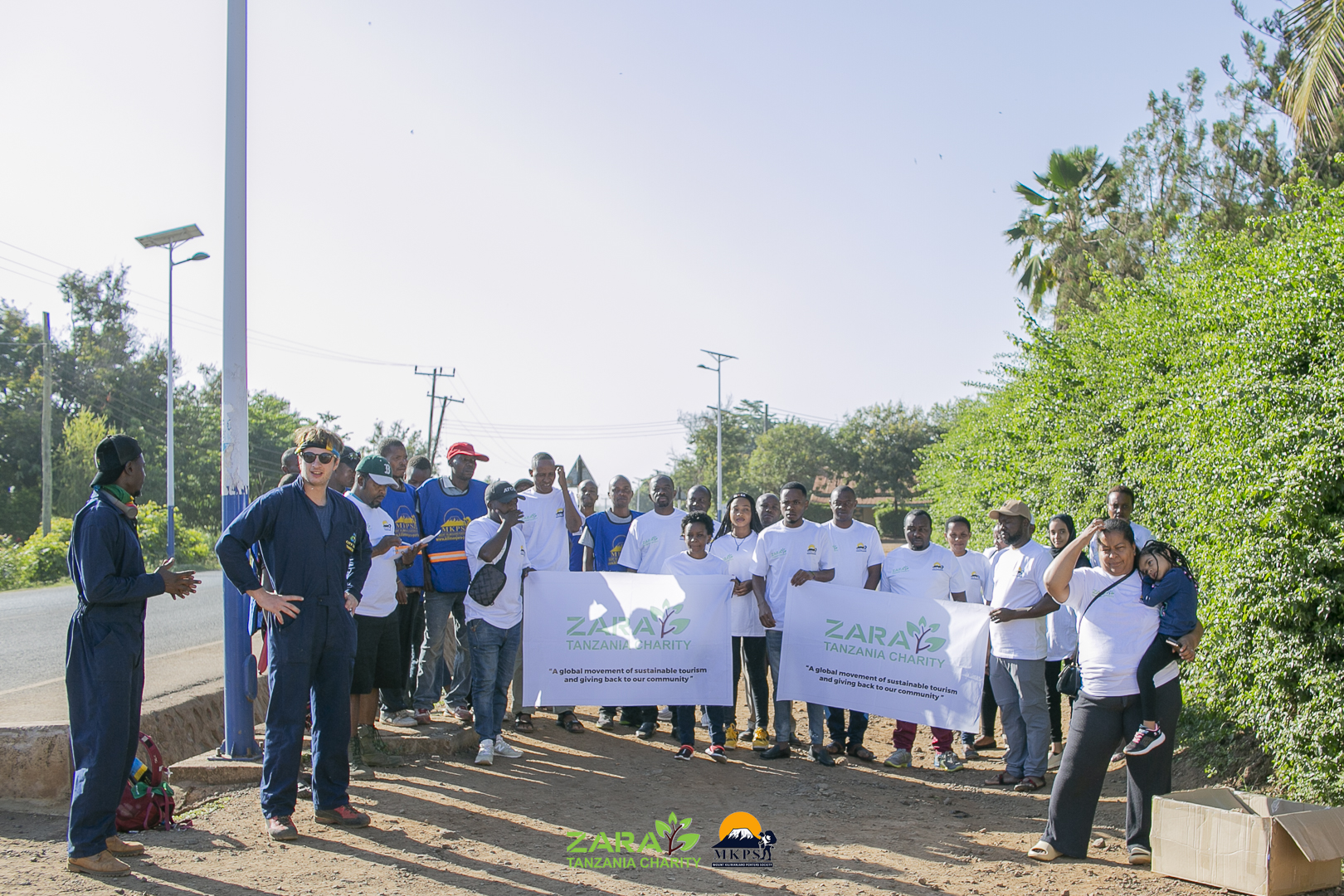
- Collaborative planting events (e.g., with TESO Tanzania and local authorities).
Specific activities have included planting more than 100 trees at a children’s playground in Kaloleni Ward and supplying trees to schools and public areas.
Where did we do it?
Primarily in Pasua (home of the tree nursery), around Moshi Municipality, Kaloleni Ward / Msasani Street, Kaloleni Primary School and Pasua Primary School, and in/near Mount Kilimanjaro National Park forest areas and the wider Kilimanjaro foothills.
Who benefited?
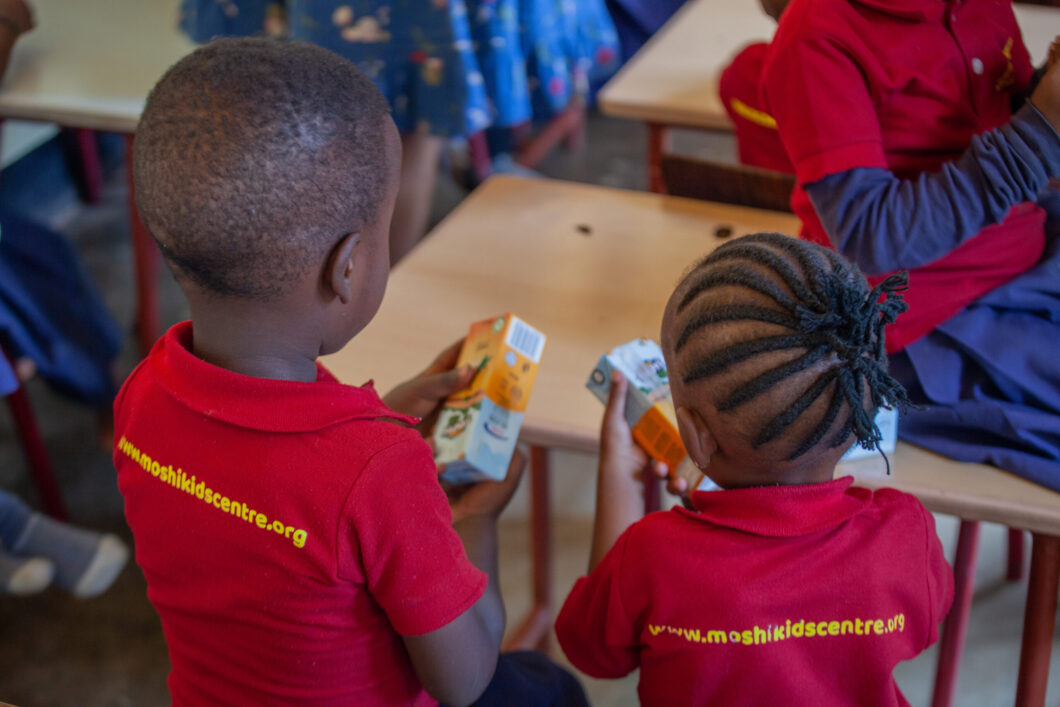
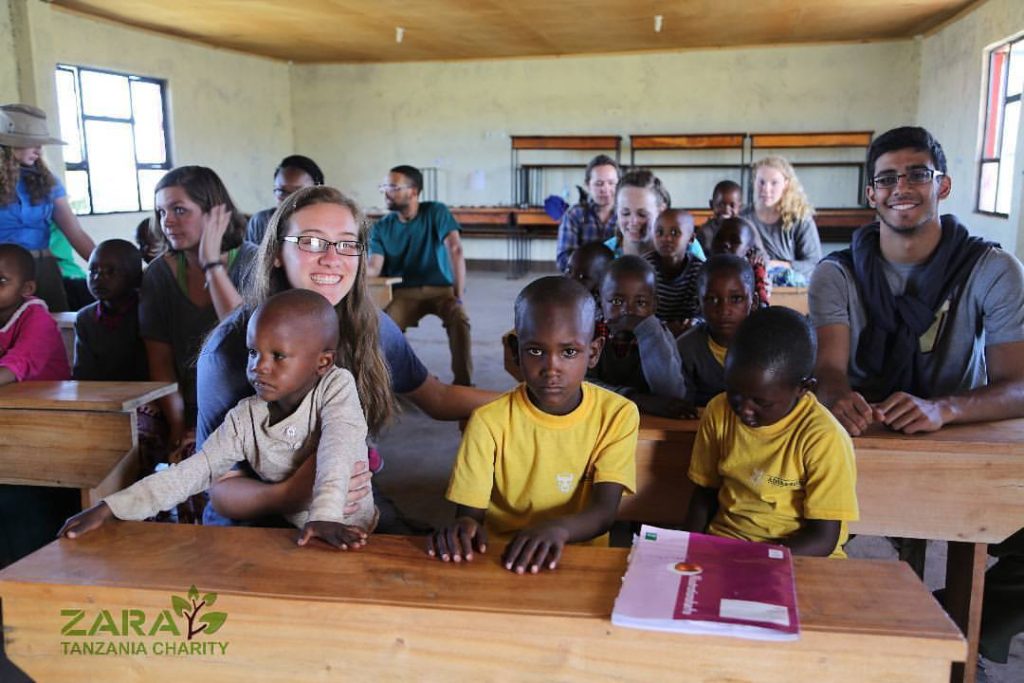
- Students (especially from Kaloleni Primary School and Pasua Primary School) who participate in planting and learn environmental responsibility.
- Local community members in Pasua, Kaloleni, and Moshi who receive seedlings and education.
- Schools and public spaces that gain greener environments.
- Future generations through improved soil, water conservation, and climate resilience.
- Travellers who participate in the plant-a-tree programme and contribute to local impact.
What has been achieved?
- An active, ongoing tree nursery in Pasua that continuously produces and distributes seedlings.
- Regular education and community engagement that builds long-term environmental awareness.
- Multiple planting events, including documented plantings of 100+ trees in single community events and broader contributions of thousands of trees around Kilimanjaro and Moshi (charity-wide figures reference 100,000+ trees planted across initiatives).
- Integration of tree planting into responsible tourism so visitors actively contribute.
- Strengthened sense of environmental ownership among students and local residents.
What still needs support?
- Expanding and growing the tree-planting network (explicitly listed as an upcoming goal).
- Scaling nursery production and distribution to reach more schools and communities.
- Ongoing maintenance and monitoring of planted trees to ensure high survival rates.
- More education programmes and community workshops.
- Additional funding and partnerships to increase the volume of seedlings, planting sites, and long-term impact.