The Essential Role of NGOs in Social Development
NGOs act as bridges between communities and sustainable progress, often filling gaps in government services. In Tanzania, where issues like poverty, limited healthcare access, and educational disparities persist, NGOs are instrumental in driving change. Their key contributions include:
- Community Empowerment: Equipping individuals with skills, resources, and opportunities for self-reliance.
- Education and Skill Development: Enhancing literacy, vocational training, and entrepreneurship opportunities.
- Healthcare Access: Delivering medical services, awareness campaigns, and infrastructure improvements.
- Women’s Empowerment: Promoting gender equality through training, leadership programs, and economic opportunities.
- Environmental Conservation: Advocating for sustainable practices and protecting natural resources.
- Advocacy and Policy Influence: Representing marginalized voices in national and global discussions.
By aligning with the United Nations’ Sustainable Development Goals (SDGs) and Tanzania’s national development priorities, NGOs like Zara Charity create lasting, people-centered change. Their grassroots approach ensures interventions are culturally relevant and community-driven.
Zara Charity: A Beacon of Change in Tanzania
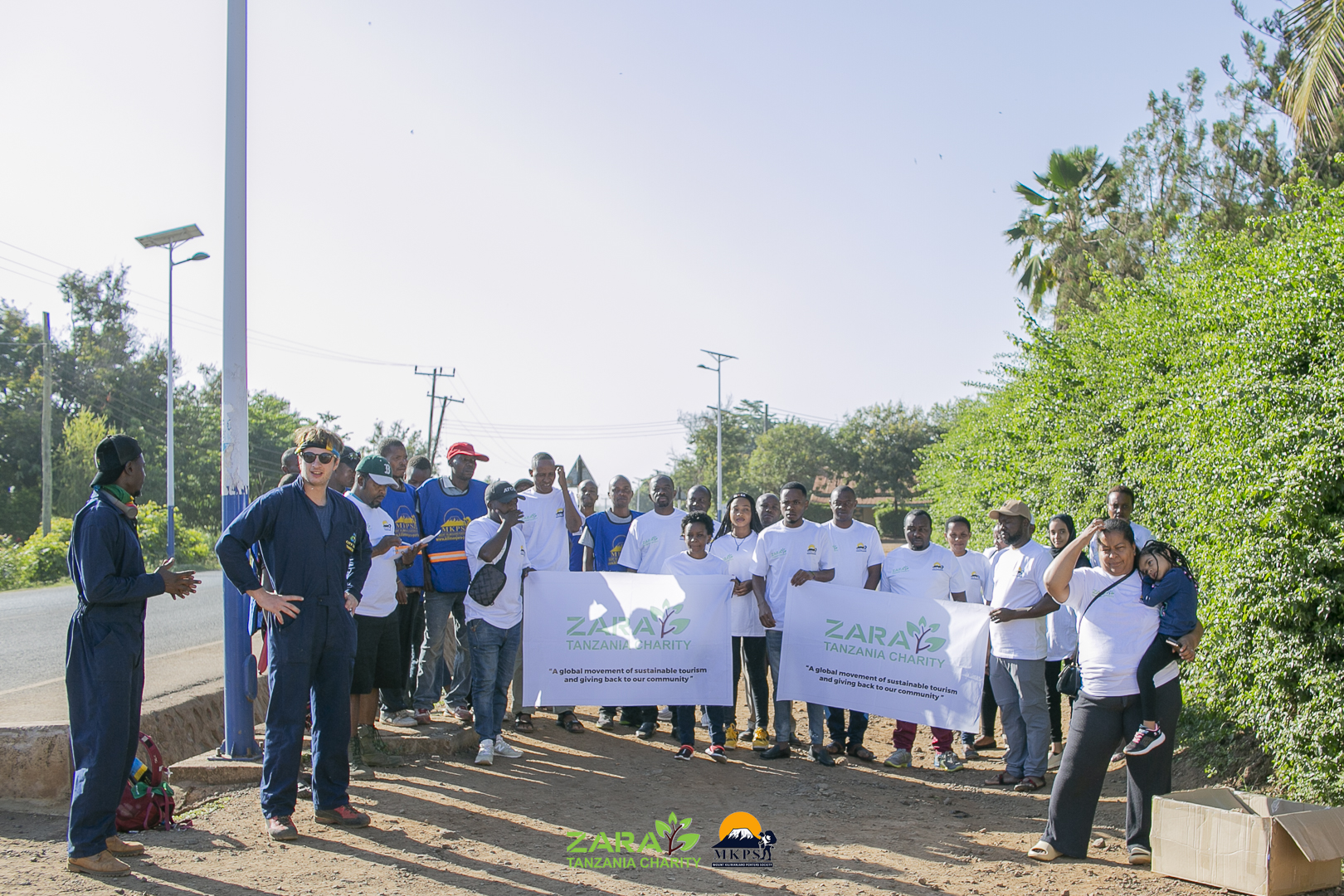
Founded under the umbrella of Zara Tanzania Adventures, Zara Charity is dedicated to uplifting underserved communities through education, healthcare, women’s empowerment, environmental conservation, and sustainable tourism. Operating in northern Tanzania, the organization is deeply embedded in local communities, ensuring its programs are responsive to real needs. Zara Charity’s mission aligns with the Tanzania NGO Act 2002, which emphasizes accountability, transparency, and collaboration for national development.
Core Programs and Initiatives
Zara Charity’s multifaceted programs address Tanzania’s most pressing challenges:
- Education for Empowerment
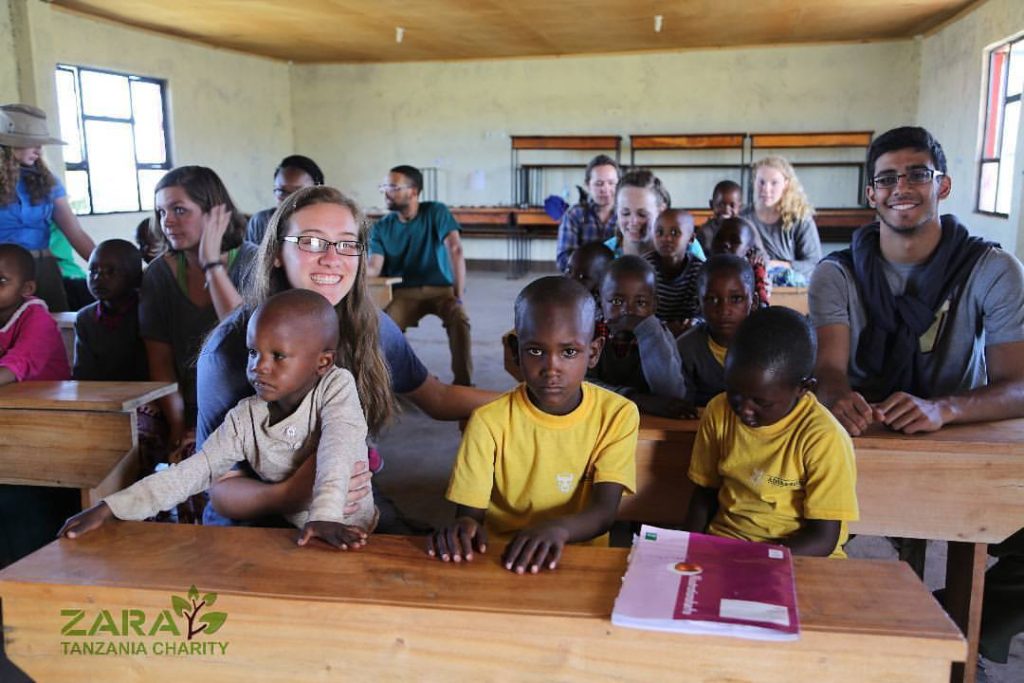
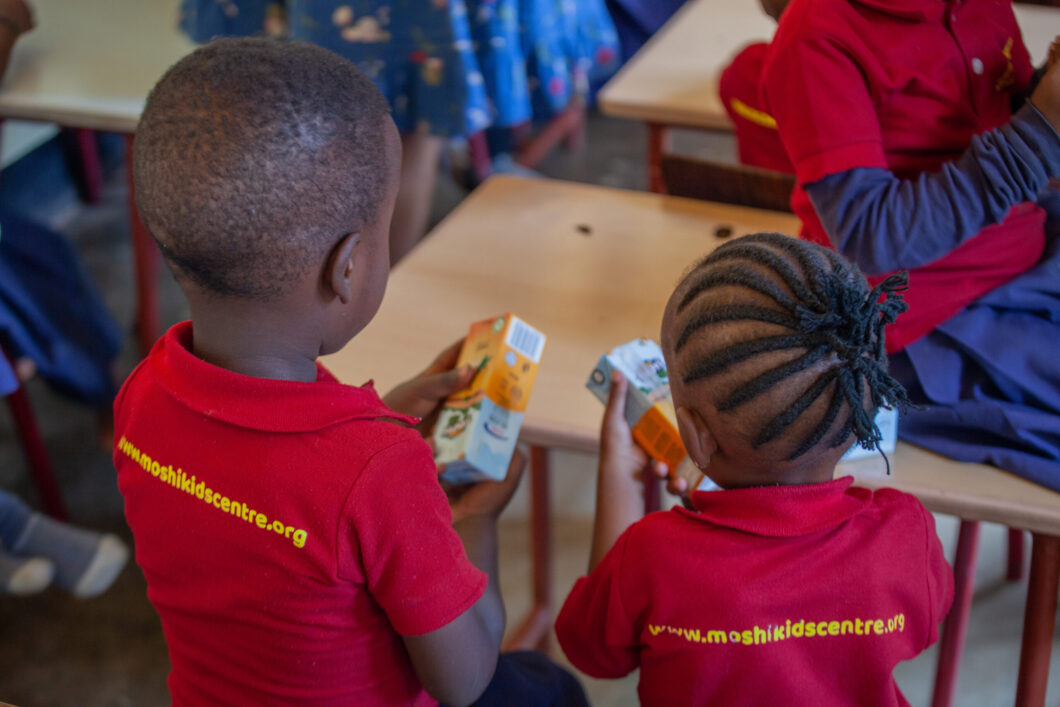
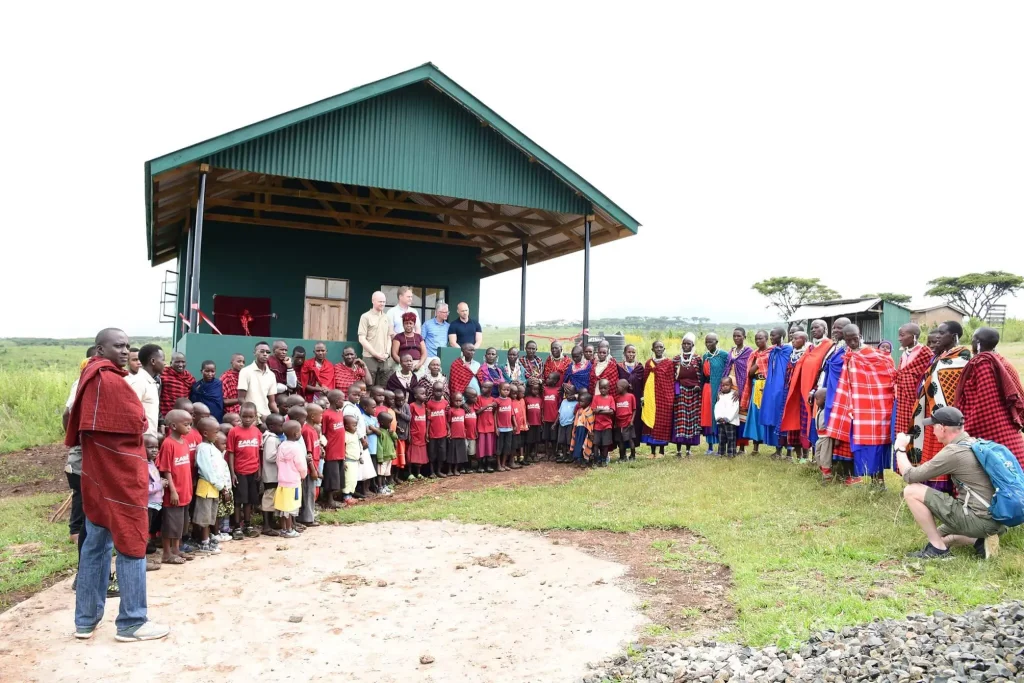
Zara Charity prioritizes education as a foundation for progress. The organization has built classrooms, such as the new facility at Moshi Kids Centre, providing safe learning spaces for children. Scholarships, school supplies, and teacher training programs ensure access to quality education, particularly for orphans and vulnerable children (OVC). These efforts support SDG 4 (Quality Education) and empower youth to break the cycle of poverty.
- Healthcare Outreach and Access
In rural Tanzania, healthcare access is limited. Zara Charity addresses this through mobile clinics, maternal and child health programs, and disease prevention workshops. By raising awareness about critical health issues and improving infrastructure, the organization contributes to SDG 3 (Good Health and Well-Being), reducing mortality rates and enhancing community health.
- Women’s Empowerment Initiatives
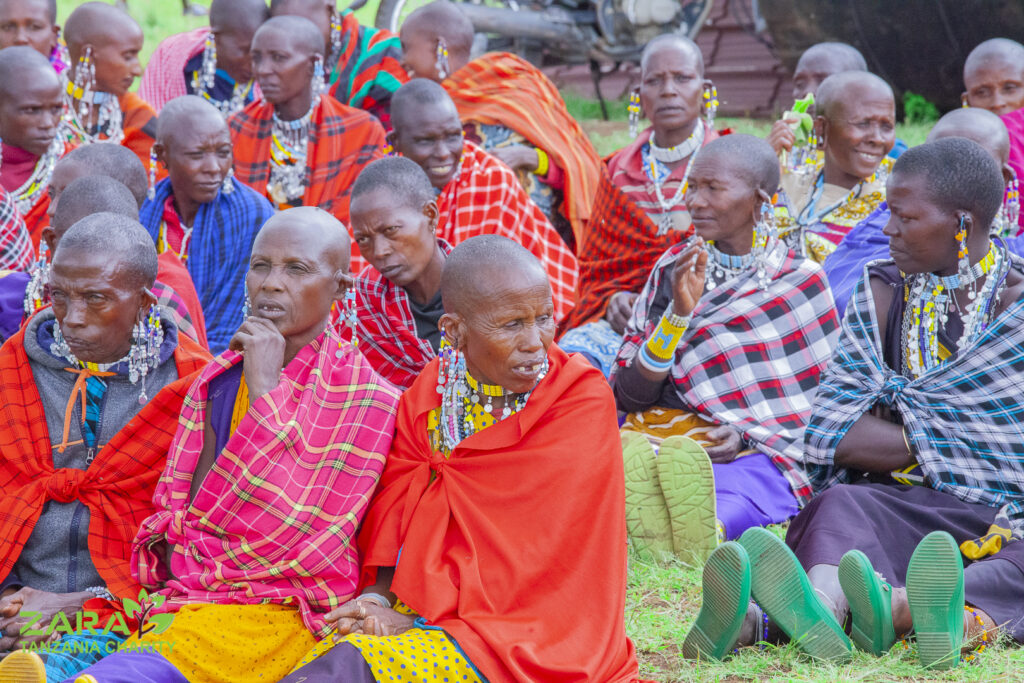
Zara Charity empowers women through business skills training, craft workshops, and leadership development. Microfinance programs enable women to start small businesses, fostering financial independence and gender equality. These initiatives align with SDG 5 (Gender Equality) and uplift entire communities by strengthening women’s roles.
- Environmental Conservation and Sustainable Tourism
The Asali project, launched in 2022 with 20 pilot beehives in Isirwa village, promotes eco-friendly livelihoods while conserving biodiversity. Zara Charity also supports tree planting, waste management, and sustainable tourism projects that preserve Tanzania’s natural and cultural heritage. These efforts contribute to SDG 13 (Climate Action) and SDG 8 (Decent Work and Economic Growth).
- Support for Orphans and Vulnerable Children (OVC)
Zara Charity provides shelter, education, and healthcare for at-risk children, ensuring they have the resources to thrive. By addressing the needs of OVC, the organization fosters resilience and hope for Tanzania’s future generations.
Impact and Success Stories
Zara Charity’s initiatives have transformed lives across northern Tanzania. The Moshi Kids Centre classroom launch, documented on YouTube, showcases their commitment to education. The Asali project has empowered farmers with sustainable income sources, while healthcare programs have improved maternal and child health outcomes. By fostering community ownership, Zara Charity ensures its impact is both immediate and enduring.
Why Zara Charity Stands Out
Zara Charity’s localized, community-focused approach sets it apart from larger NGOs like World Vision Tanzania, which operates on a broader scale. By working closely with local leaders, schools, and stakeholders, Zara Charity ensures its programs are culturally sensitive and sustainable. Key differentiators include:
- Grassroots Engagement: Deep community integration fosters trust and participation.
- Transparency: Regular updates on their website and social media build donor confidence.
- Holistic Approach: Programs address interconnected issues like education, health, and economic empowerment.
- Alignment with Policy: Adherence to the Tanzania NGO Act 2002 ensures credibility and impact.
Zara Charity’s ability to navigate challenges—such as funding constraints, logistical barriers, and regulatory complexities—further underscores its effectiveness. Their partnerships with the Tanzania Association of NGOs (TANGO) and local communities amplify their reach and influence.
Alignment with Global and National Trends
Zara Charity’s work reflects global NGO trends in 2025, including:
- Digital Advocacy: Using platforms like YouTube and social media to raise awareness, similar to campaigns by Plan International.
- Focus on Women and Youth: Prioritizing gender equality and youth empowerment, mirroring initiatives by BRAC.
- Climate Action: Emphasizing environmental sustainability, a priority for NGOs like Grow Billion Trees Foundation.
- Community-Led Solutions: Ensuring local ownership, a strategy championed by Oxfam.
Nationally, Zara Charity aligns with Tanzania’s development priorities, including poverty reduction, improved literacy, and gender equality. By adhering to the Tanzania NGO Act 2002, the organization fosters partnerships with government and communities, ensuring its programs contribute to national goals.
Challenges and Solutions
NGOs in Tanzania face several challenges, which Zara Charity addresses adeptly:
- Funding Constraints: Transparent reporting and donor engagement secure consistent support.
- Logistical Barriers: Mobile clinics and community partnerships overcome geographic challenges.
- Regulatory Environment: Collaboration with TANGO ensures compliance with government policies.
- Community Engagement: Participatory approaches build trust and encourage active involvement.
By tackling these obstacles, Zara Charity maximizes its impact and sets a model for other NGOs.
The Broader NGO Landscape in Tanzania
Zara Charity operates within a vibrant NGO ecosystem, alongside organizations like World Vision Tanzania, Oxfam, and CARE International. World Vision, one of Tanzania’s largest NGOs, focuses on health, education, and child protection, while Zara Charity excels in localized, community-driven initiatives. The Tanzania Association of NGOs (TANGO), with over 485 members, coordinates efforts to enhance collaboration and advocacy, ensuring NGOs collectively advance national development.
How You Can Support Zara Charity
Zara Charity’s mission thrives on community support. Here’s how you can contribute:
- Donate: Fund classrooms, clinics, microfinance programs, and more.
- Volunteer: Offer your skills in teaching, health outreach, or environmental projects.
- Spread Awareness: Share Zara Charity’s work on social media to amplify their reach.
- Partner: Businesses, NGOs, and individuals can collaborate on sustainable initiatives.
Visit www.zaracharitytanzania.org to learn more and join their mission to transform lives.
Conclusion
NGOs are indispensable in driving social development, and Zara Charity exemplifies this through its transformative work in Tanzania. By empowering communities through education, healthcare, women’s empowerment, environmental conservation, and sustainable tourism, Zara Charity creates a brighter, more equitable future. Their adherence to the Tanzania NGO Act 2002, combined with a localized approach and strategic use of trending SEO keywords, ensures their mission resonates globally. As we move into 2025, supporting organizations like Zara Charity is crucial for achieving sustainable development and social justice. Join their journey today and invest in a thriving Tanzania—one community at
- Zara Charity Tanzania Website
- Tanzania NGO Act 2002
- ResearchGate: Role of NGOs in Sustainable Community Development
- Tanzania Association of NGOs (TANGO)
- Funds for NGOs: Women Empowerment Trends




The Essential Role of NGOs in Social Development
NGOs act as bridges between communities and sustainable progress, often filling gaps in government services. In Tanzania, where issues like poverty, limited healthcare access, and educational disparities persist, NGOs are instrumental in driving change. Their key contributions include:
By aligning with the United Nations’ Sustainable Development Goals (SDGs) and Tanzania’s national development priorities, NGOs like Zara Charity create lasting, people-centered change. Their grassroots approach ensures interventions are culturally relevant and community-driven.
Zara Charity: A Beacon of Change in Tanzania
Founded under the umbrella of Zara Tanzania Adventures, Zara Charity is dedicated to uplifting underserved communities through education, healthcare, women’s empowerment, environmental conservation, and sustainable tourism. Operating in northern Tanzania, the organization is deeply embedded in local communities, ensuring its programs are responsive to real needs. Zara Charity’s mission aligns with the Tanzania NGO Act 2002, which emphasizes accountability, transparency, and collaboration for national development.
Core Programs and Initiatives
Zara Charity’s multifaceted programs address Tanzania’s most pressing challenges:
Zara Charity prioritizes education as a foundation for progress. The organization has built classrooms, such as the new facility at Moshi Kids Centre, providing safe learning spaces for children. Scholarships, school supplies, and teacher training programs ensure access to quality education, particularly for orphans and vulnerable children (OVC). These efforts support SDG 4 (Quality Education) and empower youth to break the cycle of poverty.
In rural Tanzania, healthcare access is limited. Zara Charity addresses this through mobile clinics, maternal and child health programs, and disease prevention workshops. By raising awareness about critical health issues and improving infrastructure, the organization contributes to SDG 3 (Good Health and Well-Being), reducing mortality rates and enhancing community health.
Zara Charity empowers women through business skills training, craft workshops, and leadership development. Microfinance programs enable women to start small businesses, fostering financial independence and gender equality. These initiatives align with SDG 5 (Gender Equality) and uplift entire communities by strengthening women’s roles.
The Asali project, launched in 2022 with 20 pilot beehives in Isirwa village, promotes eco-friendly livelihoods while conserving biodiversity. Zara Charity also supports tree planting, waste management, and sustainable tourism projects that preserve Tanzania’s natural and cultural heritage. These efforts contribute to SDG 13 (Climate Action) and SDG 8 (Decent Work and Economic Growth).
Zara Charity provides shelter, education, and healthcare for at-risk children, ensuring they have the resources to thrive. By addressing the needs of OVC, the organization fosters resilience and hope for Tanzania’s future generations.
Impact and Success Stories
Zara Charity’s initiatives have transformed lives across northern Tanzania. The Moshi Kids Centre classroom launch, documented on YouTube, showcases their commitment to education. The Asali project has empowered farmers with sustainable income sources, while healthcare programs have improved maternal and child health outcomes. By fostering community ownership, Zara Charity ensures its impact is both immediate and enduring.
Why Zara Charity Stands Out
Zara Charity’s localized, community-focused approach sets it apart from larger NGOs like World Vision Tanzania, which operates on a broader scale. By working closely with local leaders, schools, and stakeholders, Zara Charity ensures its programs are culturally sensitive and sustainable. Key differentiators include:
Zara Charity’s ability to navigate challenges—such as funding constraints, logistical barriers, and regulatory complexities—further underscores its effectiveness. Their partnerships with the Tanzania Association of NGOs (TANGO) and local communities amplify their reach and influence.
Alignment with Global and National Trends
Zara Charity’s work reflects global NGO trends in 2025, including:
Nationally, Zara Charity aligns with Tanzania’s development priorities, including poverty reduction, improved literacy, and gender equality. By adhering to the Tanzania NGO Act 2002, the organization fosters partnerships with government and communities, ensuring its programs contribute to national goals.
Challenges and Solutions
NGOs in Tanzania face several challenges, which Zara Charity addresses adeptly:
By tackling these obstacles, Zara Charity maximizes its impact and sets a model for other NGOs.
The Broader NGO Landscape in Tanzania
Zara Charity operates within a vibrant NGO ecosystem, alongside organizations like World Vision Tanzania, Oxfam, and CARE International. World Vision, one of Tanzania’s largest NGOs, focuses on health, education, and child protection, while Zara Charity excels in localized, community-driven initiatives. The Tanzania Association of NGOs (TANGO), with over 485 members, coordinates efforts to enhance collaboration and advocacy, ensuring NGOs collectively advance national development.
How You Can Support Zara Charity
Zara Charity’s mission thrives on community support. Here’s how you can contribute:
Visit www.zaracharitytanzania.org to learn more and join their mission to transform lives.
Conclusion
NGOs are indispensable in driving social development, and Zara Charity exemplifies this through its transformative work in Tanzania. By empowering communities through education, healthcare, women’s empowerment, environmental conservation, and sustainable tourism, Zara Charity creates a brighter, more equitable future. Their adherence to the Tanzania NGO Act 2002, combined with a localized approach and strategic use of trending SEO keywords, ensures their mission resonates globally. As we move into 2025, supporting organizations like Zara Charity is crucial for achieving sustainable development and social justice. Join their journey today and invest in a thriving Tanzania—one community at
Share This:
Boston
Related Posts
Environment Moshi: Challenges & Community Action Cause Awareness Environment Moshi: Challenges Facing the Kilimanjaro Region…
Orphan Support Africa: Vulnerable Children in Tanzania Cause Awareness Orphan Support Africa: What Happens to…
Maasai Women Empowerment: Breaking Poverty Cycles Cause Awareness Maasai Women Empowerment: Breaking Cycles of Poverty…
Education Tanzania: Why Rural Children Miss School Cause Awareness Education Tanzania: Why Rural Children Still…
Kilimanjaro Porters: Hidden Struggles Every Climber Should Know Porter Welfare Guide Kilimanjaro Porters: The Hidden…
Poverty in Tanzania: Real Data, Causes & What’s Being Done Cause Awareness Poverty in Tanzania:…
Meet the Team Behind Zara Tanzania Charity Behind every successful community programme in Tanzania stand…
How to Vet a Charity Before You Donate: A Practical Checklist Donating to a cause…
ZARA Tanzania Charity Our 2026 Impact Report: What We Achieved This Year, By the Numbers…
Meet the Team: The People Behind Zara Tanzania Charity Meaningful community work is, at its…