Water scarcity is a mounting crisis across rural Tanzania—especially in semi-arid northern districts like Ngorongoro. With climate change triggering erratic rainfall, slower recharge of aquifers, and drying rivers, communities face daily struggles to access safe water for drinking, sanitation, and livestock . In regions such as Ngorongoro and Longido, pastoralist Maasai families can spend entire days walking miles just to fetch limited and unsafe water.
But innovative, community-centered solutions are rising to meet these urgent needs—boosting education, health, and livelihoods while protecting cultural heritage and wildlife reserves.
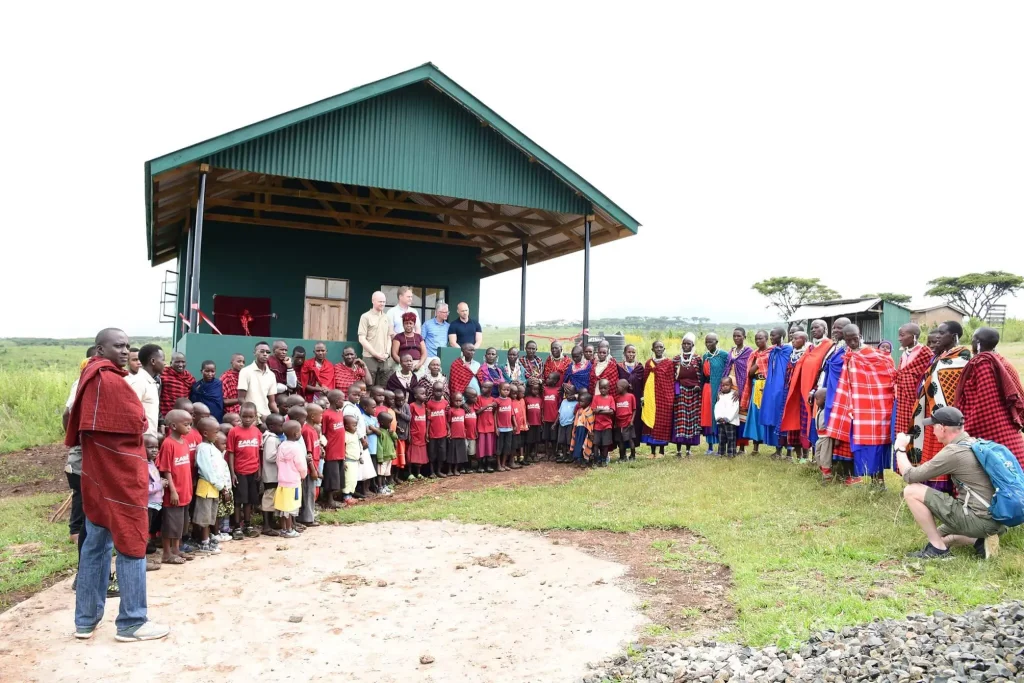
Ngorongoro Maasai Pre‑School Water Project
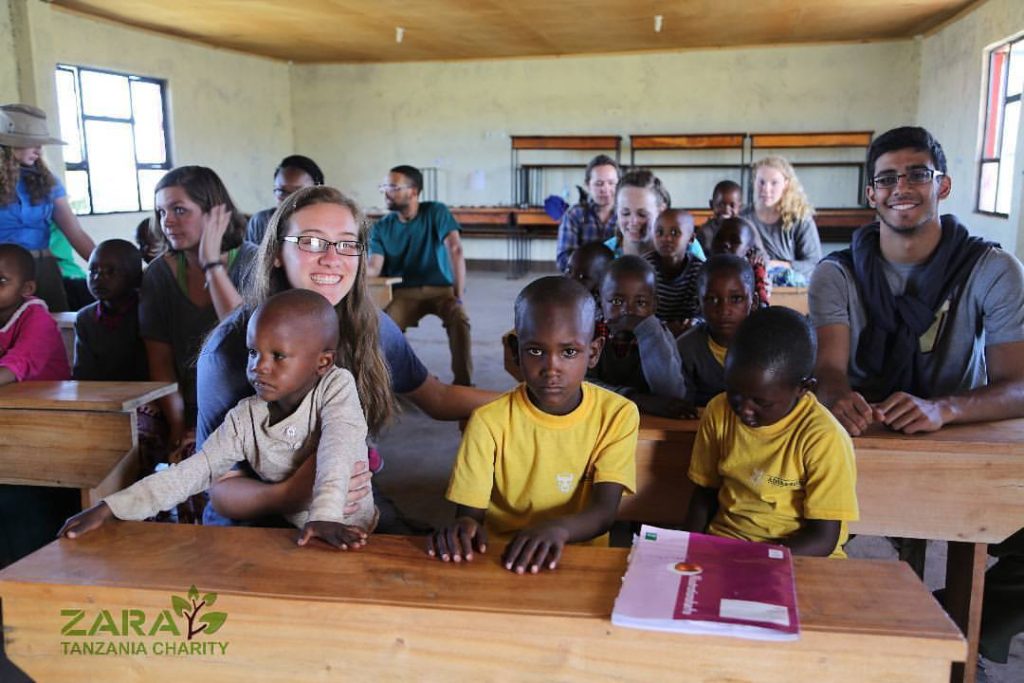
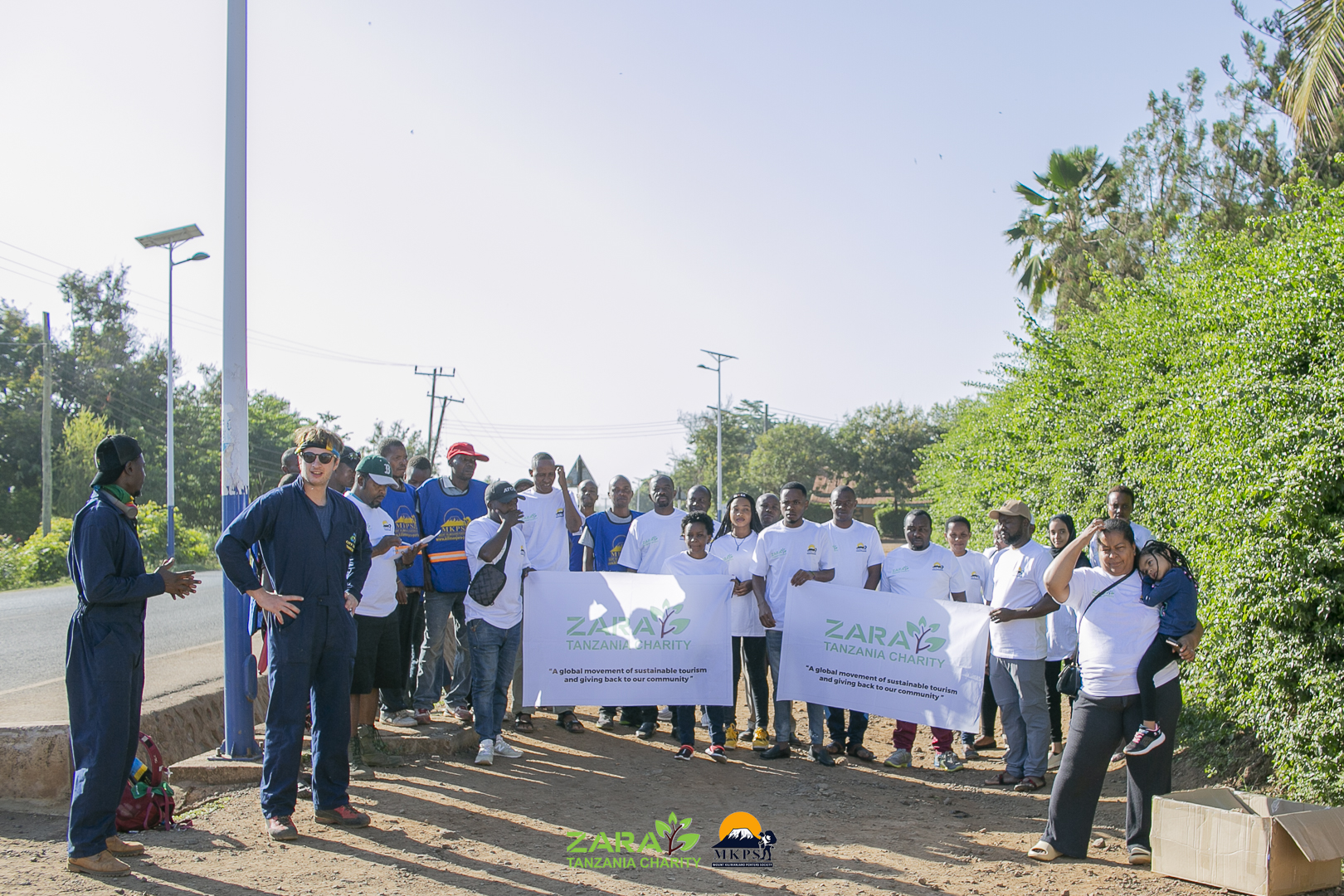
Led by Zara Charity Tanzania, this initiative drilled a deep well and installed taps at a rural pre-school. Before, locals trekked long distances to fetch unclean water—causing infectious diseases like cholera and typhoid (zaracharitytanzania.org).
Key outcomes:
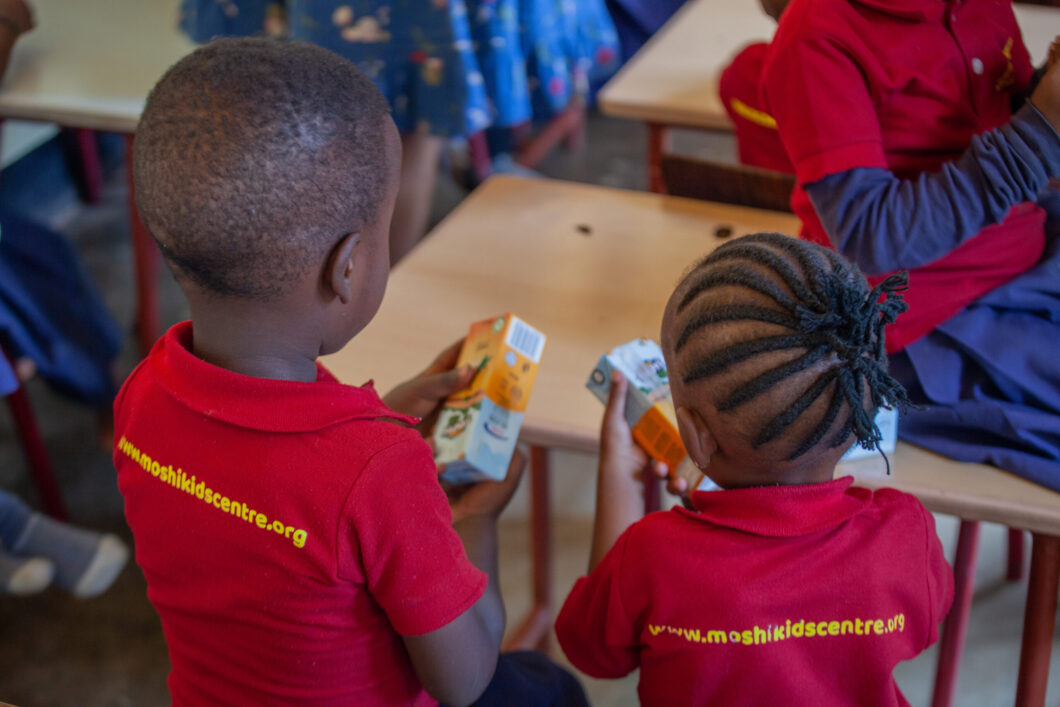
- Children now have clean water for drinking, toilets, and handwashing—a safer, healthier learning environment.
- The time saved boosts school attendance and allows parents to focus on livelihoods.
- Community training ensures long-term maintenance and ownership (zaracharitytanzania.org, pastoralwomenscouncil.org, en.wikipedia.org).
Boreholes & Women’s Empowerment
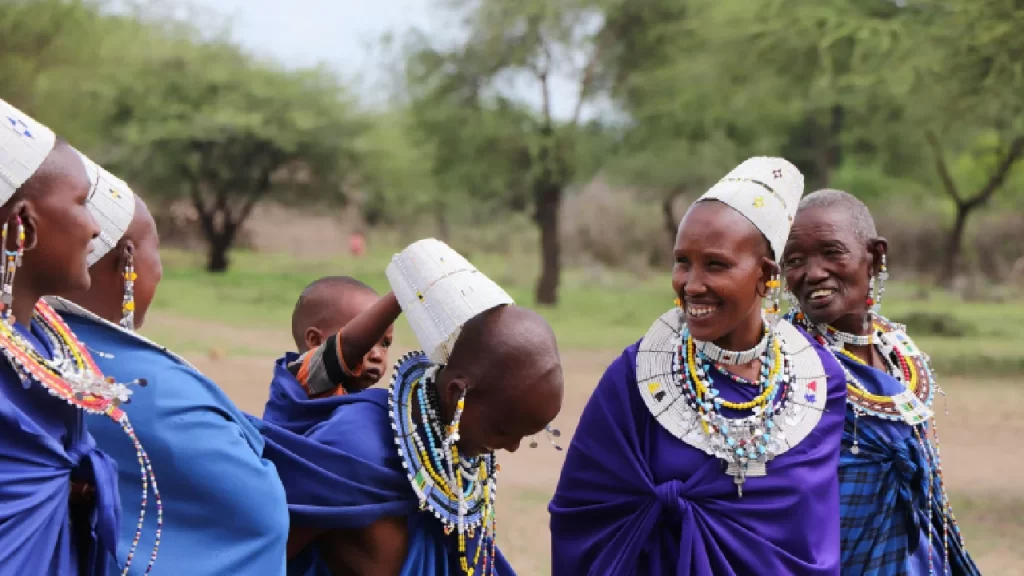
Pastoral Women’s Council and One Day’s Wages funded two deep boreholes serving ~3,500 Maasai women. This dramatically reduces water-fetching time—freeing women to pursue income‑generating activities and pursue education .
This aligns with NCAA’s strategy to install boreholes, pipelines, and shallow wells benefiting schools, clinics, livestock, and households across the conservation area .
Community Deep Wells for Livestock & Livelihoods
PALISEP, supported by CESO and UNDP’s GEF grants, constructed two wells in Ngorongoro villages—benefiting ~20,000 residents and 30,000 cattle .
Benefits:
- Stable water for humans and livestock improves health and food security.
- Women can engage in beekeeping, honey production, and vegetable farming.
- Local capacity building teaches wells construction and management.


Rainwater Harvesting & Drip Irrigation
SMART Centre and Rikolto are installing rainwater harvesting systems and solar‑powered drip irrigation to strengthen community resilience, especially in erratic rainfall zones like Meru and Rungwe .
- Schools, households, and farms harvest rain during the wet season and use drip irrigation to conserve water.
- Local water committees are trained to manage and maintain systems.
High-Tech Nanofilters
Professor Askwar Hilonga from NM-AIST designed a NanoFilter: a sand‑and‑nanomaterial composite that removes 99.999% of bacteria, viruses, and heavy metals .
- Provides safe drinking water from infected or fluoride-rich sources.
- Awarded the Africa Prize for Engineering Innovation.
- Easily replicated in schools and clinics across Tanzania.
NGC and Sustainable Community Projects
The Ngorongoro Conservation Area Authority (NCAA) supports water supply for schools, clinics, communities, and livestock. The Community Development department oversees geophysical surveys and installs boreholes, dams, wells, and pipelines .
They also run beekeeping, scholarship and health programs—reinforcing integrated, sustainable development .
✅ Why These Solutions Work
|
Pillar
|
Benefit
|
|
Technology
|
Rain-harvest, drip-irrigation, nanotech filters improve access & quality
|
|
Community Ownership
|
Training water committees ensures maintenance & local leadership
|
|
Gender Equity
|
Women gain time and safety, fueling economic transformation
|
|
Health & Education
|
Clean water reduces disease, boosts school attendance and performance
|
|
Livelihood & Livestock
|
Water access safeguards herds and enables alternate incomes
|
Scaling & Future Outlook
NCAA plans to expand boreholes and water infrastructure across conservation areas (en.wikipedia.org, onedayswages.org).
- SMART Centre’s strategy extends to more Tanzanian schools and farms (cntraveler.com).
- Innovation: Africa’s solar-powered water pumps and drip systems offer replicable models (en.wikipedia.org).
- Governments & donors should support deep-well and solar irrigation infrastructure.
- NGOs must continue capacity‑building—focusing on sustainability and gender equity.
- Edu-tech developers can integrate nanotechnologies for scalable safe-water access.
- Global investors can prioritize projects that uplift pastoralist and indigenous communities.
Final Thoughts
Innovative water projects—from Maasai pre-school wells to nano‑filters and solar irrigation—are reshaping the narrative of water scarcity in northern Tanzania. These community-driven, sustainable solutions empower Maasai families, enhance education, health, and livelihoods, and support conservation goals. With continued investment and collaboration, we can ensure clean water becomes a reality—not a privilege—for all Tanzanian communities.


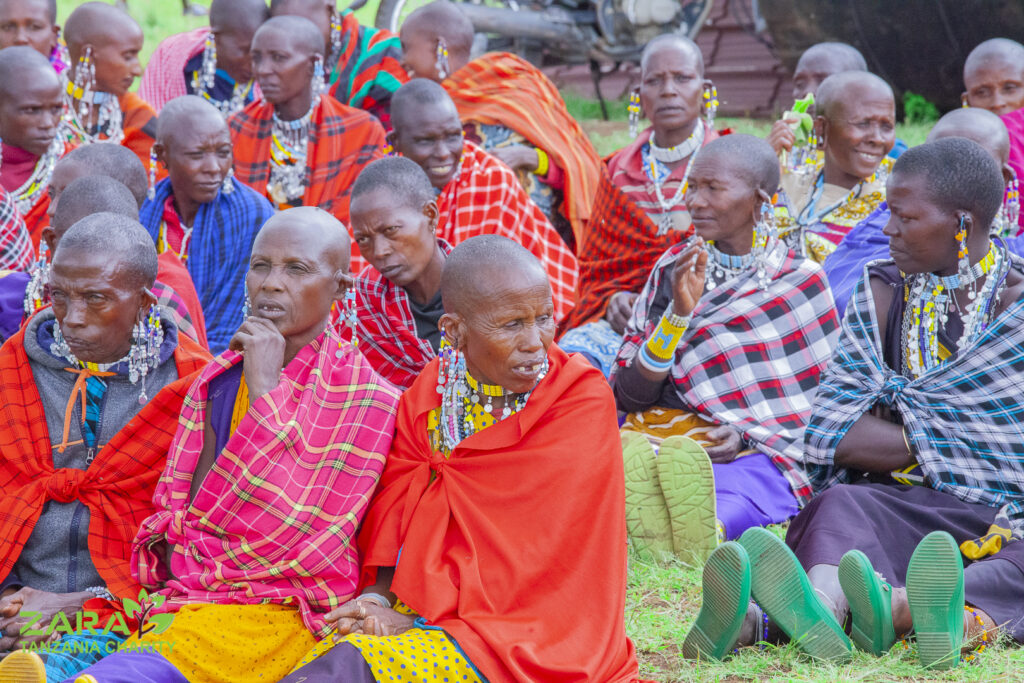
Water scarcity is a mounting crisis across rural Tanzania—especially in semi-arid northern districts like Ngorongoro. With climate change triggering erratic rainfall, slower recharge of aquifers, and drying rivers, communities face daily struggles to access safe water for drinking, sanitation, and livestock . In regions such as Ngorongoro and Longido, pastoralist Maasai families can spend entire days walking miles just to fetch limited and unsafe water.
But innovative, community-centered solutions are rising to meet these urgent needs—boosting education, health, and livelihoods while protecting cultural heritage and wildlife reserves.
Ngorongoro Maasai Pre‑School Water Project
Led by Zara Charity Tanzania, this initiative drilled a deep well and installed taps at a rural pre-school. Before, locals trekked long distances to fetch unclean water—causing infectious diseases like cholera and typhoid (zaracharitytanzania.org).
Key outcomes:
Boreholes & Women’s Empowerment
Pastoral Women’s Council and One Day’s Wages funded two deep boreholes serving ~3,500 Maasai women. This dramatically reduces water-fetching time—freeing women to pursue income‑generating activities and pursue education .
This aligns with NCAA’s strategy to install boreholes, pipelines, and shallow wells benefiting schools, clinics, livestock, and households across the conservation area .
Community Deep Wells for Livestock & Livelihoods
PALISEP, supported by CESO and UNDP’s GEF grants, constructed two wells in Ngorongoro villages—benefiting ~20,000 residents and 30,000 cattle .
Benefits:
Rainwater Harvesting & Drip Irrigation
SMART Centre and Rikolto are installing rainwater harvesting systems and solar‑powered drip irrigation to strengthen community resilience, especially in erratic rainfall zones like Meru and Rungwe .
High-Tech Nanofilters
Professor Askwar Hilonga from NM-AIST designed a NanoFilter: a sand‑and‑nanomaterial composite that removes 99.999% of bacteria, viruses, and heavy metals .
NGC and Sustainable Community Projects
The Ngorongoro Conservation Area Authority (NCAA) supports water supply for schools, clinics, communities, and livestock. The Community Development department oversees geophysical surveys and installs boreholes, dams, wells, and pipelines .
They also run beekeeping, scholarship and health programs—reinforcing integrated, sustainable development .
✅ Why These Solutions Work
Pillar
Benefit
Technology
Rain-harvest, drip-irrigation, nanotech filters improve access & quality
Community Ownership
Training water committees ensures maintenance & local leadership
Gender Equity
Women gain time and safety, fueling economic transformation
Health & Education
Clean water reduces disease, boosts school attendance and performance
Livelihood & Livestock
Water access safeguards herds and enables alternate incomes
Scaling & Future Outlook
NCAA plans to expand boreholes and water infrastructure across conservation areas (en.wikipedia.org, onedayswages.org).
Final Thoughts
Innovative water projects—from Maasai pre-school wells to nano‑filters and solar irrigation—are reshaping the narrative of water scarcity in northern Tanzania. These community-driven, sustainable solutions empower Maasai families, enhance education, health, and livelihoods, and support conservation goals. With continued investment and collaboration, we can ensure clean water becomes a reality—not a privilege—for all Tanzanian communities.
Share This:
Boston
Related Posts
Environment Moshi: Challenges & Community Action Cause Awareness Environment Moshi: Challenges Facing the Kilimanjaro Region…
Orphan Support Africa: Vulnerable Children in Tanzania Cause Awareness Orphan Support Africa: What Happens to…
Maasai Women Empowerment: Breaking Poverty Cycles Cause Awareness Maasai Women Empowerment: Breaking Cycles of Poverty…
Education Tanzania: Why Rural Children Miss School Cause Awareness Education Tanzania: Why Rural Children Still…
Kilimanjaro Porters: Hidden Struggles Every Climber Should Know Porter Welfare Guide Kilimanjaro Porters: The Hidden…
Poverty in Tanzania: Real Data, Causes & What’s Being Done Cause Awareness Poverty in Tanzania:…
Meet the Team Behind Zara Tanzania Charity Behind every successful community programme in Tanzania stand…
How to Vet a Charity Before You Donate: A Practical Checklist Donating to a cause…
ZARA Tanzania Charity Our 2026 Impact Report: What We Achieved This Year, By the Numbers…
Meet the Team: The People Behind Zara Tanzania Charity Meaningful community work is, at its…