In the heart of northern Tanzania, the Maasai Women Vocational Training Center, supported by organizations like the Pastoral Women’s Council (PWC), is transforming lives by equipping Maasai women with skills to break free from cultural and economic constraints. This initiative addresses systemic gender inequalities, empowering women to become entrepreneurs and community leaders. Through vocational training, these women are rewriting their stories, fostering economic independence, and challenging patriarchal norms in Maasai communities.
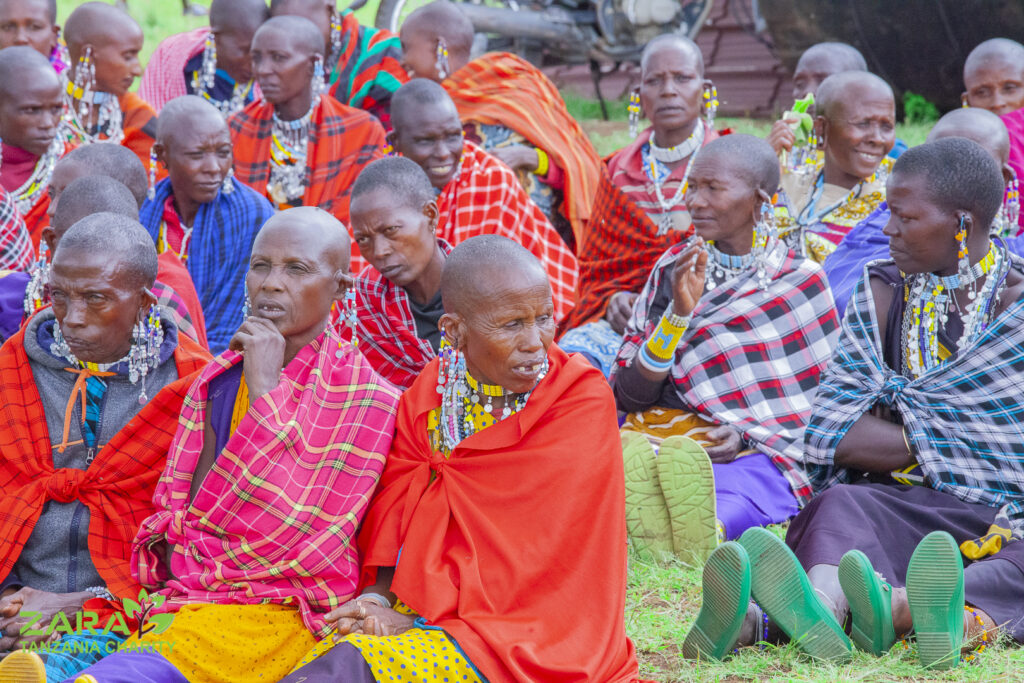
Side by side, these women stand tall—symbols of empowerment, heritage, and shifting societal norms.”photo taken by iman manyara
Overcoming Cultural Barriers
Maasai communities are traditionally patriarchal, with women often excluded from decision-making and economic opportunities. UNESCO data highlights that only 59% of girls in rural Tanzania complete primary education, compared to 65% of boys, with even lower rates among pastoralist groups like the Maasai due to early marriages and domestic responsibilities. The Vocational Training Center counters these barriers by offering accessible education and skills training tailored to Maasai women’s needs, enabling them to pursue sustainable livelihoods.
The Training Curriculum
The center’s curriculum focuses on practical skills to foster entrepreneurship:
Beadwork and Handicrafts: Training in creating marketable cultural products like necklaces and earrings, sold locally and internationally.
Business Management: Courses on bookkeeping, marketing, and financial literacy to ensure sustainable enterprises.
Literacy and Numeracy: Adult literacy classes to enhance business operations and personal empowerment.
Tailoring and Agriculture: Skills in sewing and small-scale farming to diversify income sources.
The program operates on a 12-month plan, customized for each group, ensuring continuity and measurable progress.
Success Stories: Women Leading Change
Neema’s Journey
Neema, a 32-year-old mother of three from Malinzaga village, joined the Namayana Maasai Women’s Group, supported by UNDP. Before training, she sold beadwork by the roadside, earning less than $10 monthly. After learning advanced beadwork techniques and business skills, she now runs a stall at a UNDP-funded cultural boma, earning $50-$70 monthly. Neema has purchased goats and paid school fees, saying, “I can now afford books and clothes for my children.”
Sarah’s Transformation
Sarah, 28, from Longido District, faced illiteracy and limited income opportunities. Through PWC’s literacy and tailoring classes, she gained confidence and skills. She now operates a small tailoring business, earning $40 monthly, a significant increase from her pre-training income of $5. Sarah notes, “I feel respected in my community because I contribute to our household.”
Amina’s Empowerment
Amina, 35, from Ngorongoro, learned bookkeeping and entrepreneurship. She started a grain-selling business, boosting her monthly income from $8 to $60. Her success allowed her to fund her daughter’s secondary education, breaking the cycle of early marriage.
Grace’s Leadership
Grace, 40, from Simanjiro, used her training in agriculture to start a vegetable farm. Her income rose from $12 to $80 monthly, enabling her to advocate for women’s land rights in her community. Grace’s story reflects how economic empowerment enhances decision-making power.
Photos and videos of these women at work, showcasing their products and training sessions, are available on the PWC website and UNDP Tanzania’s media channels.
Impact: Pre- and Post-Training Income Comparison
Name
Pre-Training Income (USD/Month)
Post-Training Income (USD/Month)
Business Type
Neema
10
50-70
Beadwork Sales
Sarah
5
40
Tailoring
Amina
8
60
Grain Selling
Grace
12
80
Vegetable Farming
This table illustrates the transformative economic impact of vocational training, with average income increases of 400-700% for participants.
The Role of Donors
Organizations like UNDP, UN Women, and Projects Abroad fund infrastructure, training materials, and scholarships. For example, UNDP’s SPANEST project built a cultural boma for the Namayana group, providing a safe space to sell crafts. UN Women’s Fund for Gender Equality supports PWC’s literacy and leadership programs, reaching over 7,000 women across Ngorongoro, Longido, and Monduli districts. Donors also facilitate market access, connecting women to tourist and international buyers.
How to Support
You can contribute to the Maasai Women Vocational Training Center by:
Volunteering: Join Projects Abroad in Arusha to assist with training sessions or awareness campaigns.
Purchasing Products: Buy beadwork and crafts directly from groups like Namayana to boost their income.
Advocating: Share these stories on social media to raise awareness about gender equality and women’s empowerment in Tanzania.
Why It Matters
The Maasai Women Vocational Training Center is more than a skills program—it’s a movement to dismantle systemic inequalities. By empowering women economically and socially, it fosters stronger families and communities. As Ruth Kihiu from PWC states, “When women are empowered, they rescue their neighbors and send their children to school, creating a ripple effect.” These stories of resilience and transformation inspire global audiences, aligning with the UN’s Sustainable Development Goal of Gender Equality and driving meaningful change in Tanzania.


In the heart of northern Tanzania, the Maasai Women Vocational Training Center, supported by organizations like the Pastoral Women’s Council (PWC), is transforming lives by equipping Maasai women with skills to break free from cultural and economic constraints. This initiative addresses systemic gender inequalities, empowering women to become entrepreneurs and community leaders. Through vocational training, these women are rewriting their stories, fostering economic independence, and challenging patriarchal norms in Maasai communities.
Overcoming Cultural Barriers
Maasai communities are traditionally patriarchal, with women often excluded from decision-making and economic opportunities. UNESCO data highlights that only 59% of girls in rural Tanzania complete primary education, compared to 65% of boys, with even lower rates among pastoralist groups like the Maasai due to early marriages and domestic responsibilities. The Vocational Training Center counters these barriers by offering accessible education and skills training tailored to Maasai women’s needs, enabling them to pursue sustainable livelihoods.
The Training Curriculum
The center’s curriculum focuses on practical skills to foster entrepreneurship:
Beadwork and Handicrafts: Training in creating marketable cultural products like necklaces and earrings, sold locally and internationally.
Business Management: Courses on bookkeeping, marketing, and financial literacy to ensure sustainable enterprises.
Literacy and Numeracy: Adult literacy classes to enhance business operations and personal empowerment.
Tailoring and Agriculture: Skills in sewing and small-scale farming to diversify income sources.
The program operates on a 12-month plan, customized for each group, ensuring continuity and measurable progress.
Success Stories: Women Leading Change
Neema’s Journey
Neema, a 32-year-old mother of three from Malinzaga village, joined the Namayana Maasai Women’s Group, supported by UNDP. Before training, she sold beadwork by the roadside, earning less than $10 monthly. After learning advanced beadwork techniques and business skills, she now runs a stall at a UNDP-funded cultural boma, earning $50-$70 monthly. Neema has purchased goats and paid school fees, saying, “I can now afford books and clothes for my children.”
Sarah’s Transformation
Sarah, 28, from Longido District, faced illiteracy and limited income opportunities. Through PWC’s literacy and tailoring classes, she gained confidence and skills. She now operates a small tailoring business, earning $40 monthly, a significant increase from her pre-training income of $5. Sarah notes, “I feel respected in my community because I contribute to our household.”
Amina’s Empowerment
Amina, 35, from Ngorongoro, learned bookkeeping and entrepreneurship. She started a grain-selling business, boosting her monthly income from $8 to $60. Her success allowed her to fund her daughter’s secondary education, breaking the cycle of early marriage.
Grace’s Leadership
Grace, 40, from Simanjiro, used her training in agriculture to start a vegetable farm. Her income rose from $12 to $80 monthly, enabling her to advocate for women’s land rights in her community. Grace’s story reflects how economic empowerment enhances decision-making power.
Photos and videos of these women at work, showcasing their products and training sessions, are available on the PWC website and UNDP Tanzania’s media channels.
Impact: Pre- and Post-Training Income Comparison
Name
Pre-Training Income (USD/Month)
Post-Training Income (USD/Month)
Business Type
Neema
10
50-70
Beadwork Sales
Sarah
5
40
Tailoring
Amina
8
60
Grain Selling
Grace
12
80
Vegetable Farming
This table illustrates the transformative economic impact of vocational training, with average income increases of 400-700% for participants.
The Role of Donors
Organizations like UNDP, UN Women, and Projects Abroad fund infrastructure, training materials, and scholarships. For example, UNDP’s SPANEST project built a cultural boma for the Namayana group, providing a safe space to sell crafts. UN Women’s Fund for Gender Equality supports PWC’s literacy and leadership programs, reaching over 7,000 women across Ngorongoro, Longido, and Monduli districts. Donors also facilitate market access, connecting women to tourist and international buyers.
How to Support
You can contribute to the Maasai Women Vocational Training Center by:
Donating: Visit https://www.zaracharitytanzania.org/partners-sponsors/ to support training programs and infrastructure.
Volunteering: Join Projects Abroad in Arusha to assist with training sessions or awareness campaigns.
Purchasing Products: Buy beadwork and crafts directly from groups like Namayana to boost their income.
Advocating: Share these stories on social media to raise awareness about gender equality and women’s empowerment in Tanzania.
Why It Matters
The Maasai Women Vocational Training Center is more than a skills program—it’s a movement to dismantle systemic inequalities. By empowering women economically and socially, it fosters stronger families and communities. As Ruth Kihiu from PWC states, “When women are empowered, they rescue their neighbors and send their children to school, creating a ripple effect.” These stories of resilience and transformation inspire global audiences, aligning with the UN’s Sustainable Development Goal of Gender Equality and driving meaningful change in Tanzania.
Share This:
Boston
Related Posts
Environment Moshi: Challenges & Community Action Cause Awareness Environment Moshi: Challenges Facing the Kilimanjaro Region…
Orphan Support Africa: Vulnerable Children in Tanzania Cause Awareness Orphan Support Africa: What Happens to…
Maasai Women Empowerment: Breaking Poverty Cycles Cause Awareness Maasai Women Empowerment: Breaking Cycles of Poverty…
Education Tanzania: Why Rural Children Miss School Cause Awareness Education Tanzania: Why Rural Children Still…
Kilimanjaro Porters: Hidden Struggles Every Climber Should Know Porter Welfare Guide Kilimanjaro Porters: The Hidden…
Poverty in Tanzania: Real Data, Causes & What’s Being Done Cause Awareness Poverty in Tanzania:…
Meet the Team Behind Zara Tanzania Charity Behind every successful community programme in Tanzania stand…
How to Vet a Charity Before You Donate: A Practical Checklist Donating to a cause…
ZARA Tanzania Charity Our 2026 Impact Report: What We Achieved This Year, By the Numbers…
Meet the Team: The People Behind Zara Tanzania Charity Meaningful community work is, at its…