Every step you take up Mount Kilimanjaro is made possible by an unseen workforce carrying your equipment, preparing your meals, and setting up your camps. Behind every successful summit stands a team of porters and guides whose knowledge, strength, and dedication transform a challenging climb into a life-changing adventure. Yet how these essential crew members are treated varies dramatically between tour operators—and your choice of company directly determines whether your trek supports dignified employment or perpetuates exploitation.
Approximately 50,000 climbers attempt Kilimanjaro annually, each supported by three to four porters on average. This creates employment for over 20,000 mountain workers in the Kilimanjaro region. For many families in Moshi, Arusha, and surrounding communities, porter work represents the primary source of income. When structured ethically, Kilimanjaro tourism lifts thousands out of poverty. When corners are cut to offer rock-bottom prices, the same industry traps workers in cycles of exploitation and hardship.
Understanding responsible trekking practices ensures your Kilimanjaro adventure creates positive impact rather than contributing to problems. Here’s everything you need to know about supporting local porters and guides while climbing Africa’s highest peak.
Why Porter Welfare Matters
The history of Kilimanjaro porter treatment reveals troubling patterns that responsible trekking seeks to address. Before welfare organizations intervened, porters endured severe exploitation—earning as little as $2-3 daily while carrying dangerous loads in inadequate clothing through extreme weather. Some paid bribes to guides just to secure work. Many suffered injuries or altitude sickness without medical care, sent down the mountain alone when too ill to continue working.
The Crisis of Exploitation
This exploitation persisted because desperate unemployment created intense competition for porter positions. With Tanzania’s unemployment rates historically high, workers accepted appalling conditions rather than lose income opportunities. Unscrupulous operators exploited this desperation, maximizing profits by minimizing labor costs.
The situation has improved dramatically thanks to organizations like the Kilimanjaro Porters Assistance Project (KPAP) and the Mount Kilimanjaro Porters Society (MKPS), but challenges persist. Budget operators continue underpaying porters and providing inadequate equipment. Only informed travelers who prioritize ethical treatment can ensure their climbs support fair labor practices.
When you choose responsible operators and advocate for porter welfare, you contribute to transforming Kilimanjaro tourism into sustainable employment that benefits entire communities. Fair wages allow porters to send children to school, access healthcare, improve housing, and build savings. Training programs create pathways to higher-paying guide positions and alternative careers. This upward mobility strengthens families and communities across the Kilimanjaro region.

Understanding the Porter Support System
Kilimanjaro climbs require extensive logistical support that makes porters essential. Unlike technical mountain climbing requiring ropes and specialized equipment, Kilimanjaro is a trekking peak accessible to reasonably fit individuals with proper acclimatization. However, the multi-day journey from tropical forests through alpine deserts to arctic summit zones demands substantial gear—tents, sleeping bags, cooking equipment, food, water, and personal belongings.
The Invisible Labor Behind Your Climb
Porters carry this equipment, typically in 20-kilogram loads, while also managing camp logistics. They race ahead of trekking groups to set up tents before climbers arrive. They prepare three meals daily using portable stoves at high altitude. They strike camps each morning and transport everything to the next campsite. They haul waste down the mountain to protect the fragile environment. This invisible labor makes your comfortable camping experience possible.
The Role of Guides
Guides serve different but equally vital functions. Lead guides navigate routes, monitor climbers for altitude sickness, make critical decisions about weather and safety, and coordinate the entire crew. Assistant guides provide additional support, help struggling climbers, and serve as backup if medical emergencies require evacuation. Quality operators employ experienced guides with extensive training in high-altitude medicine, mountain rescue, and environmental stewardship.
Crew Ratios Matter
The ratio of support crew to climbers significantly impacts both your experience and worker welfare. Reputable operators employ at least three porters per climber on camping routes (two on the Marangu route with hut accommodation), plus guides and cooks. This ensures manageable load weights and adequate rest for crew members. Budget operators sometimes use half this ratio, forcing porters to carry excessive loads that cause injuries and long-term health problems.
Choosing a Responsible Tour Operator
Your tour operator choice represents the single most important decision affecting porter welfare. Companies committed to ethical practices implement comprehensive systems ensuring fair treatment, while budget operators cut costs by exploiting workers. Here’s how to identify genuinely responsible companies.
Look for Certification and Partnerships
The most reliable indicator of ethical treatment is partnership with porter welfare organizations. KPAP maintains a public list of certified partner companies that voluntarily submit to monitoring on every climb. KPAP inspectors conduct surprise checks at trailheads and on mountains, verifying that operators meet strict standards for wages, equipment, food, and working conditions. Companies must achieve at least 85% on biannual scorecards to maintain certification.
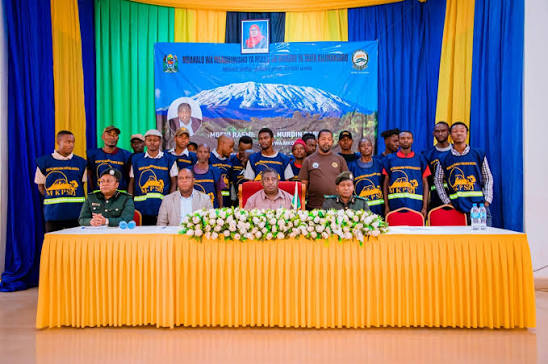
Similarly, the Mount Kilimanjaro Porters Society partners with responsible operators who demonstrate sustained commitment to porter welfare. MKPS member porters receive comprehensive training, banking support, and advocacy ensuring fair treatment. Operators partnering with MKPS like Zara Tours—founded by pioneering entrepreneur Zainab Ansell—prioritize porter welfare as central to their business model rather than viewing it as optional extra cost.
Verify Claims with Evidence
When researching operators, verify their partnerships with these organizations. Don’t accept vague claims about “treating porters well”—demand specific evidence of KPAP certification or MKPS partnership. Genuinely ethical companies prominently display these affiliations on their websites and marketing materials because they view them as competitive advantages.
Ask Direct Questions About Porter Treatment
Before booking, ask tour operators detailed questions about their porter welfare practices. Responsible companies answer transparently and enthusiastically, while those cutting corners become evasive or defensive.
Essential questions to ask:
- What daily wage do you pay porters? (Should be minimum 20,000-35,000 Tanzanian Shillings or $8.70-$15 per day as of 2025)
- How many porters do you employ per climber? (Minimum three for camping routes, two for Marangu)
- What equipment do you provide porters? (Should include quality tents, sleeping bags, water/wind-resistant clothing, proper footwear)
- How many meals do porters receive daily? (Should be three substantial meals plus access to hot drinks)
- How do you handle porter tipping? (Should have transparent system ensuring porters receive full amounts)
- When are porters paid? (Should be within two days of trek completion)
- What happens if a porter becomes sick or injured? (Should receive same medical care as clients, never sent down alone)
- Are your porters insured? (Should have health insurance covering mountain work)
Get Independent Verification
Ethical operators answer these questions clearly and provide documentation of their policies. They may invite you to meet porters before your climb or visit their equipment storage facilities. This transparency demonstrates genuine commitment to porter welfare.
Beyond operator claims, seek independent verification of their practices. Organizations like Fair Voyage analyze different porter welfare systems and certified operators, helping travelers make informed choices. Review platforms like TripAdvisor and SafariBookings include porter treatment in their assessment criteria.
Read Recent Reviews Carefully
Read recent reviews specifically mentioning porter welfare. Look for comments about porter equipment quality, crew meal provisions, tipping transparency, and overall treatment. Multiple negative reviews citing porter mistreatment should disqualify an operator regardless of low prices or glowing testimonials about other aspects.
Professional associations also signal operator legitimacy. The Tanzania Association of Tour Operators (TATO) requires members to meet industry standards and ethical guidelines. While TATO membership alone doesn’t guarantee excellent porter treatment, it indicates companies have met baseline professional requirements and submit to industry oversight.

Fair Wages and Working Conditions
Understanding current wage standards helps you evaluate operator practices and ensures your trek supports dignified employment.
Current Wage Standards
As of 2024, KPAP partner companies pay porters a minimum of 20,000 Tanzanian Shillings ($8.70) per day, with assistant guides earning 30,000 TZS and lead guides 40,000 TZS. The Mount Kilimanjaro Porters Society negotiated increases effective January 2025, raising minimum daily wages to approximately $15 for porters.
These wages significantly exceed what non-certified operators pay. Research shows porters working for KPAP-affiliated companies earned an average of 36,074 TZS daily in 2022, compared to just 25,860 TZS for those with non-affiliated operators. This substantial difference—nearly 40% higher wages—directly improves porter families’ quality of life.
The Importance of Tips
Beyond base wages, tips form crucial income components. Recommended crew tipping ranges from $250-300 per climber for the entire team, distributed according to clear guidelines ensuring fair allocation. Lead guides typically receive the largest shares, followed by assistant guides, porters, and cooks based on their roles and responsibilities.
Equipment and Safety Standards
Proper equipment protects porter health and safety in Kilimanjaro’s extreme conditions. Temperatures range from tropical warmth at lower elevations to below freezing near the summit, with dramatic daily fluctuations. Porters working in inadequate clothing risk hypothermia, frostbite, and illness.
Ethical operators provide comprehensive equipment including quality tents with adequate sleeping space, warm sleeping bags rated for high-altitude temperatures, water and wind-resistant jackets and pants, insulated gloves and hats, sturdy waterproof boots with good traction, and headlamps or flashlights. Organizations like KPAP operate free equipment lending programs for porters whose companies don’t provide adequate gear.
Weight Limits Prevent Injuries
Weight limits prevent overexertion injuries. Regulations restrict porter loads to 20 kilograms maximum—15 kg of company equipment plus 5 kg personal items. Reputable operators weigh loads at hotels and again at park gates where Kilimanjaro National Park Authority (KINAPA) conducts inspections. Operators employing sufficient porter numbers ensure loads remain manageable without overloading any individual worker.
Food and Hydration
Adequate nutrition enables porters to sustain the physical demands of mountain work. Porter welfare standards require three substantial meals daily plus access to clean water and hot drinks throughout expeditions. Budget operators often provide only one meal daily, leaving porters hungry and weakened—a false economy that degrades both worker welfare and service quality.
Meals should include carbohydrate staples like ugali (maize porridge) or rice, protein sources including beans, meat, or fish, vegetables and fruits for vitamins and minerals, and sufficient calories for high-altitude labor burning 4,000-6,000 calories daily. Porters also need reliable access to clean water for drinking and cooking throughout the trek.

The Role of Zara Tours and Zainab Ansell
Among Kilimanjaro operators, Zara Tours exemplifies responsible tourism leadership. Founded in 1987 by Zainab Ansell, the company has evolved into Tanzania’s largest Kilimanjaro outfitter and one of East Africa’s leading safari operators while maintaining unwavering commitment to ethical practices and community benefit.
A Pioneer in Responsible Tourism
Zainab Ansell’s journey represents remarkable achievement in Tanzania’s male-dominated tourism industry. Starting as an Air Tanzania ticketing agent in the 1980s, she took a calculated risk in 1987 to establish her own tour company. Over nearly four decades, she built Zara Tours into an industry leader distinguished not just by size—operating two hotels, three lodges, and four tented camps—but by values-driven leadership prioritizing sustainable tourism development and community empowerment.
Award-Winning Leadership
Her dedication to responsible tourism has earned international recognition including the World Travel Market Humanitarian Award (2012), Tourism for the Future Award (2015), Africa’s Leading Tour Operator at the World Travel Awards (2022-2023), and Tanzania’s Top Women Excellence Award (2025). These honors celebrate not just business success but demonstrated commitment to using tourism as a force for positive social change.
Through Zara Charity, established in 2009, Zainab channels tourism revenue into community development addressing education, healthcare, women’s empowerment, and environmental conservation. The charity’s partnership with the Mount Kilimanjaro Porters Society ensures comprehensive support for mountain workers including financial literacy training, health insurance programs, banking access, and vocational education creating career advancement opportunities.
Proving Ethics and Profitability Align
Zara Tours’ approach proves that ethical porter treatment and business success aren’t mutually exclusive. The company’s reputation for excellence attracts discerning travelers who prioritize values alignment in their operator selection. Satisfied clients become ambassadors, recommending Zara Tours precisely because of their ethical practices. This virtuous cycle demonstrates that doing right by workers creates sustainable competitive advantages.
When you choose operators like Zara Tours, your tourism dollars directly support responsible business models that other companies increasingly emulate. You signal market demand for ethical practices, encouraging industry-wide improvements in porter welfare standards.
Tipping: Ensuring Fair Distribution
Tipping represents significant income for mountain crews and deserves careful attention to ensure fair distribution. Unfortunately, tipping procedures at some companies allow guides to pocket portions intended for porters, creating inequities despite client generosity.
Recommended Tipping Amounts
Industry guidelines suggest total crew tips of $250-300 per climber, distributed among all support staff. For multi-day treks with typical crew sizes (one lead guide, 1-2 assistant guides, 3-4 porters, one cook), this translates to:
- Lead guide: $70-90
- Assistant guides: $50-60 each
- Porters: $20-30 each
- Cook: $40-50
These amounts reflect each role’s responsibilities and skill levels while ensuring all crew members receive meaningful appreciation for their work. Groups should adjust these figures proportionally—larger groups with more porters should increase total tips accordingly.
Transparent Distribution Systems
Ethical operators implement transparent tipping procedures ensuring crew members receive full amounts intended for them. Some companies conduct tipping ceremonies where clients present envelopes directly to each crew member by name, eliminating intermediary opportunities for diversion. Others use sealed tip boxes with each worker’s name, opened in clients’ presence to verify fair distribution.
Ask your operator about their tipping system before booking. Companies with established transparent procedures describe them clearly and confidently. Those with vague or convoluted explanations may be concealing unfair practices.
Currency Considerations
Consider tipping in Tanzanian Shillings when possible, as porters don’t easily access currency exchange facilities in remote mountain communities. Operators can advise on appropriate Shilling amounts equivalent to dollar recommendations.
Beyond Monetary Tips
While financial tips prove most valuable for workers needing cash income, other gestures also matter. Quality gear you no longer need—sleeping bags, backpacks, warm clothing, headlamps—represents valuable gifts for porters who often lack access to such equipment. Coordinate with your guide about appropriate items and timing for such donations.
However, never let equipment gifts substitute for proper monetary tips. Porters need cash for school fees, medical care, food, and housing expenses that gear cannot provide. Well-intentioned equipment donations should supplement rather than replace financial compensation.
Environmental Stewardship on Kilimanjaro
Responsible trekking encompasses environmental protection alongside porter welfare. Kilimanjaro faces significant ecological pressures from tourism, climate change, and deforestation that threaten its unique ecosystems and the communities dependent on them.
Leave No Trace Principles
All climbers and crew members must follow Leave No Trace ethics minimizing environmental impact. These principles include staying on designated trails in single file to prevent erosion, packing out all waste including organic materials at high altitudes where decomposition doesn’t occur, using portable toilet systems rather than creating waste pits, respecting wildlife by observing from appropriate distances without disturbing animals, and minimizing campfire impacts through use of portable stoves only.
Ethical operators train their crews in environmental best practices and enforce compliance throughout expeditions. Guides educate clients about proper waste disposal, water use conservation, and ecosystem protection. Porters and staff model responsible behavior, demonstrating that environmental stewardship represents core values rather than optional guidelines.
Mountain Cleanup Initiatives
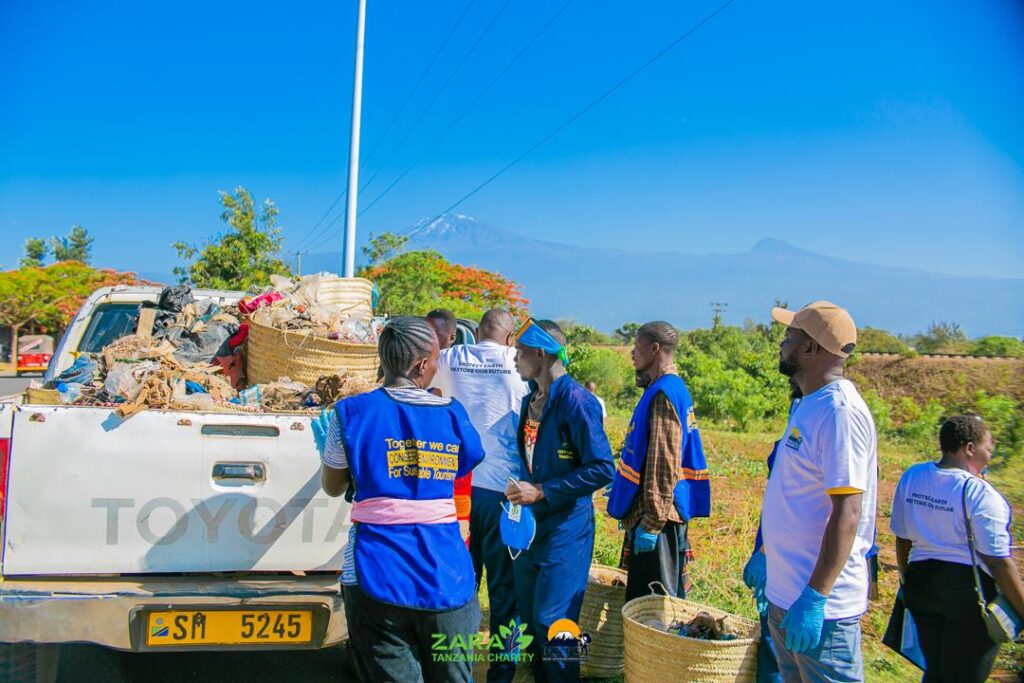
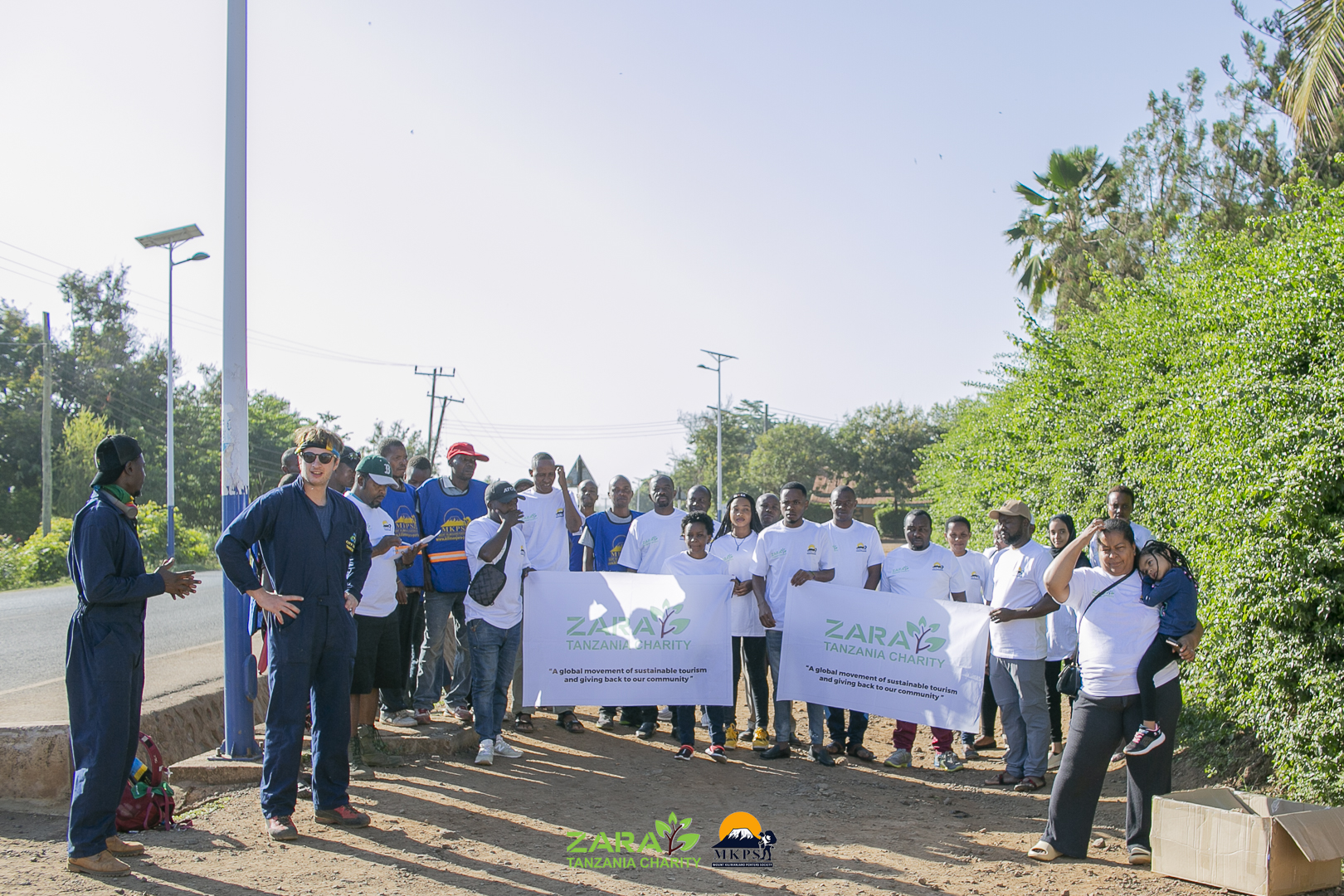
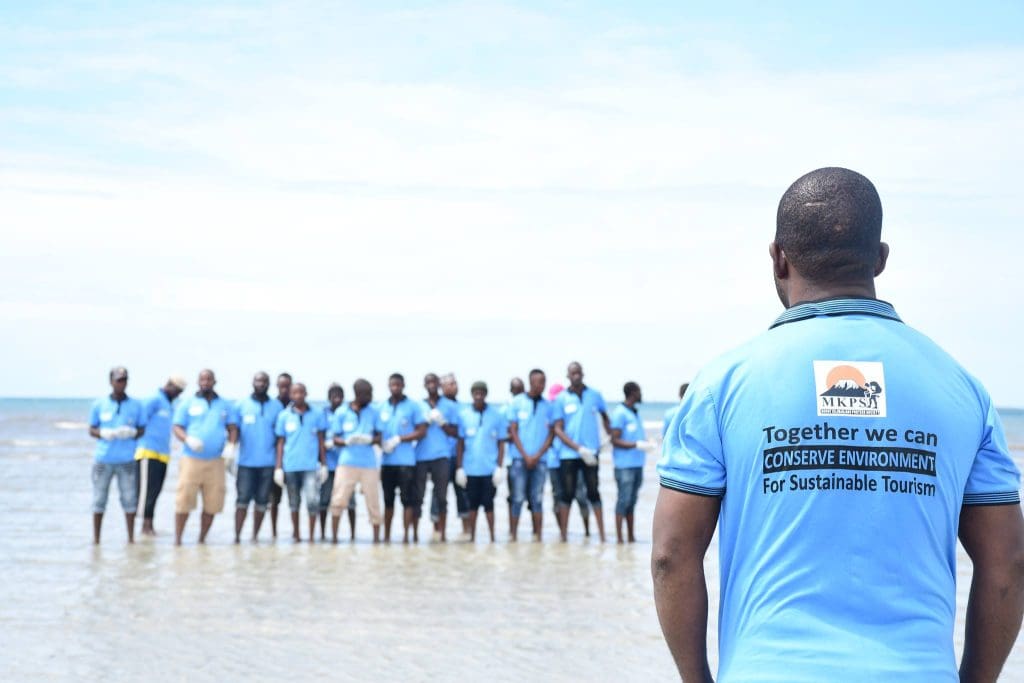
Organizations including Zara Charity coordinate regular cleanup campaigns removing accumulated waste from Kilimanjaro’s trails and camps. These initiatives often coincide with International Mountain Day each December, bringing together tour operators, porters, guides, and tourists in collaborative conservation action.
Through our partnership with MKPS, we require member porters to participate in mountain cleanup campaigns twice yearly. This creates systematic waste removal while building environmental consciousness among mountain workers who become conservation advocates in their communities.
How Travelers Can Participate
Travelers can participate in cleanup activities or support these programs through donations funding equipment, waste transportation, and proper disposal facilities. Every contribution helps preserve Kilimanjaro’s pristine environments for future generations while demonstrating respect for the mountain that provides livelihoods for thousands of Tanzanian families.
Planning Your Responsible Kilimanjaro Trek
Armed with knowledge about ethical trekking practices, you can now plan a Kilimanjaro adventure that combines personal achievement with positive community impact.
Choose the Right Route
Kilimanjaro offers multiple routes varying in difficulty, duration, scenery, and success rates. Your route selection affects both your experience and porter workload:
Marangu Route (5-6 days): The only route with hut accommodation, requiring fewer porters per climber. However, rapid ascent profiles create lower success rates due to insufficient acclimatization time.
Machame Route (6-7 days): Popular camping route with excellent acclimatization profiles and beautiful scenery. Requires full porter support for camping logistics.
Lemosho Route (7-8 days): Longer approach providing superior acclimatization, scenic diversity, and highest success rates. Additional days mean extended employment for porters but require adequate provisions and equipment.
Rongai Route (6-7 days): Approaches from the drier north side, offering different perspectives and typically less crowded trails. Good acclimatization profile with camping throughout.
Route Selection Considerations
Longer routes improve summit success rates while providing extended employment for mountain workers. When choosing routes, balance personal fitness and time constraints with acclimatization benefits and community economic impact.
Prepare Adequately
Proper preparation increases summit success while minimizing risks requiring emergency crew response. Physical training should build cardiovascular endurance, leg strength, and hiking stamina months before your trek. Mental preparation helps you cope with altitude challenges and discomfort. Equipment selection ensures you have appropriate gear without overpacking loads porters must carry.
Understand Altitude Acclimatization
Research altitude sickness symptoms and acclimatization strategies. Understand that ascending slowly—”pole pole” (slowly slowly) in Swahili—gives your body time to adjust to reduced oxygen levels. Listen to guide advice about pacing, hydration, and rest requirements. Climbers who ignore professional guidance create additional work and risks for crews managing altitude illness or evacuations.
Travel Responsibly Beyond the Mountain
Responsible trekking extends beyond the mountain to your entire Tanzania experience. Support community-based tourism initiatives creating local economic opportunities. Choose accommodations employing local staff and sourcing supplies from community businesses. Respect cultural norms and seek permission before photographing people. Learn basic Swahili greetings showing respect for local language and culture.
Consider extending your trip to include safari, cultural tourism, or volunteer opportunities that deepen your understanding of Tanzania while spreading tourism benefits more broadly across communities. Organizations like Zara Charity welcome visitors interested in learning about community development programs or contributing volunteer skills during their visits.
The Bigger Picture: Tourism as a Development Tool
Your Kilimanjaro trek represents one data point in Tanzania’s larger tourism story—a sector that generated nearly $4 billion in 2024 and employs over 1.4 million Tanzanians. How this economic power translates into community benefit depends on countless individual decisions by travelers, operators, and policymakers.
Your Choices Create Market Signals
When you choose responsible operators, demand fair porter treatment, tip generously and transparently, and minimize environmental impacts, you contribute to tourism models that lift communities out of poverty while protecting natural and cultural heritage. You demonstrate that travelers value ethics alongside adventure, creating market incentives for industry-wide improvements.
The Cost of Budget Tourism
Conversely, choosing budget operators exploiting workers to offer rock-bottom prices perpetuates harmful practices. Every booking with unethical companies signals that travelers prioritize price over principles, encouraging continued exploitation.
Cumulative Impact Shapes the Industry
The cumulative effect of these choices determines whether Tanzania’s tourism boom becomes a sustainable development success story or an extractive industry concentrating benefits among a few while marginalizing the many whose labor makes it possible. Your decision matters.
Apply These Principles Everywhere
Beyond Kilimanjaro, apply these responsible tourism principles throughout your travels. Research operators’ labor practices, environmental commitments, and community contributions. Ask questions and demand transparency. Support businesses demonstrating genuine social responsibility. Use your economic power as a traveler to reward ethical practices and discourage exploitation.
Take Action: Climb Responsibly, Change Lives
Your Kilimanjaro summit attempt should be transformative not just for you but for the mountain communities making your adventure possible. By choosing ethical operators, treating crews with respect, tipping fairly, and minimizing environmental impact, you ensure your climb creates positive ripple effects extending far beyond the mountain.
The porters and guides supporting your trek aren’t just hired help—they’re skilled professionals whose knowledge, strength, and dedication enable your summit success. They’re fathers and mothers supporting families, young people building careers, community members whose livelihoods depend on responsible tourism. They deserve fair compensation, safe working conditions, and the dignity that comes with ethical employment.
Book Your Responsible Trek
Book your responsible Kilimanjaro trek with proven ethical operators:
Zara Tours offers comprehensive Kilimanjaro packages with over 35 years of experience, certified commitment to porter welfare through MKPS partnership, multiple route options with expert guides, and integration with community development programs through Zara Charity.
Learn More
Learn more about responsible trekking and porter welfare:
Support the Cause
Support organizations working for porter welfare and community development:


Every step you take up Mount Kilimanjaro is made possible by an unseen workforce carrying your equipment, preparing your meals, and setting up your camps. Behind every successful summit stands a team of porters and guides whose knowledge, strength, and dedication transform a challenging climb into a life-changing adventure. Yet how these essential crew members are treated varies dramatically between tour operators—and your choice of company directly determines whether your trek supports dignified employment or perpetuates exploitation.
Approximately 50,000 climbers attempt Kilimanjaro annually, each supported by three to four porters on average. This creates employment for over 20,000 mountain workers in the Kilimanjaro region. For many families in Moshi, Arusha, and surrounding communities, porter work represents the primary source of income. When structured ethically, Kilimanjaro tourism lifts thousands out of poverty. When corners are cut to offer rock-bottom prices, the same industry traps workers in cycles of exploitation and hardship.
Understanding responsible trekking practices ensures your Kilimanjaro adventure creates positive impact rather than contributing to problems. Here’s everything you need to know about supporting local porters and guides while climbing Africa’s highest peak.
Why Porter Welfare Matters
The history of Kilimanjaro porter treatment reveals troubling patterns that responsible trekking seeks to address. Before welfare organizations intervened, porters endured severe exploitation—earning as little as $2-3 daily while carrying dangerous loads in inadequate clothing through extreme weather. Some paid bribes to guides just to secure work. Many suffered injuries or altitude sickness without medical care, sent down the mountain alone when too ill to continue working.
The Crisis of Exploitation
This exploitation persisted because desperate unemployment created intense competition for porter positions. With Tanzania’s unemployment rates historically high, workers accepted appalling conditions rather than lose income opportunities. Unscrupulous operators exploited this desperation, maximizing profits by minimizing labor costs.
The situation has improved dramatically thanks to organizations like the Kilimanjaro Porters Assistance Project (KPAP) and the Mount Kilimanjaro Porters Society (MKPS), but challenges persist. Budget operators continue underpaying porters and providing inadequate equipment. Only informed travelers who prioritize ethical treatment can ensure their climbs support fair labor practices.
The Transformative Power of Fair Employment
When you choose responsible operators and advocate for porter welfare, you contribute to transforming Kilimanjaro tourism into sustainable employment that benefits entire communities. Fair wages allow porters to send children to school, access healthcare, improve housing, and build savings. Training programs create pathways to higher-paying guide positions and alternative careers. This upward mobility strengthens families and communities across the Kilimanjaro region.
Understanding the Porter Support System
Kilimanjaro climbs require extensive logistical support that makes porters essential. Unlike technical mountain climbing requiring ropes and specialized equipment, Kilimanjaro is a trekking peak accessible to reasonably fit individuals with proper acclimatization. However, the multi-day journey from tropical forests through alpine deserts to arctic summit zones demands substantial gear—tents, sleeping bags, cooking equipment, food, water, and personal belongings.
The Invisible Labor Behind Your Climb
Porters carry this equipment, typically in 20-kilogram loads, while also managing camp logistics. They race ahead of trekking groups to set up tents before climbers arrive. They prepare three meals daily using portable stoves at high altitude. They strike camps each morning and transport everything to the next campsite. They haul waste down the mountain to protect the fragile environment. This invisible labor makes your comfortable camping experience possible.
The Role of Guides
Guides serve different but equally vital functions. Lead guides navigate routes, monitor climbers for altitude sickness, make critical decisions about weather and safety, and coordinate the entire crew. Assistant guides provide additional support, help struggling climbers, and serve as backup if medical emergencies require evacuation. Quality operators employ experienced guides with extensive training in high-altitude medicine, mountain rescue, and environmental stewardship.
Crew Ratios Matter
The ratio of support crew to climbers significantly impacts both your experience and worker welfare. Reputable operators employ at least three porters per climber on camping routes (two on the Marangu route with hut accommodation), plus guides and cooks. This ensures manageable load weights and adequate rest for crew members. Budget operators sometimes use half this ratio, forcing porters to carry excessive loads that cause injuries and long-term health problems.
Choosing a Responsible Tour Operator
Your tour operator choice represents the single most important decision affecting porter welfare. Companies committed to ethical practices implement comprehensive systems ensuring fair treatment, while budget operators cut costs by exploiting workers. Here’s how to identify genuinely responsible companies.
Look for Certification and Partnerships
The most reliable indicator of ethical treatment is partnership with porter welfare organizations. KPAP maintains a public list of certified partner companies that voluntarily submit to monitoring on every climb. KPAP inspectors conduct surprise checks at trailheads and on mountains, verifying that operators meet strict standards for wages, equipment, food, and working conditions. Companies must achieve at least 85% on biannual scorecards to maintain certification.
Similarly, the Mount Kilimanjaro Porters Society partners with responsible operators who demonstrate sustained commitment to porter welfare. MKPS member porters receive comprehensive training, banking support, and advocacy ensuring fair treatment. Operators partnering with MKPS like Zara Tours—founded by pioneering entrepreneur Zainab Ansell—prioritize porter welfare as central to their business model rather than viewing it as optional extra cost.
Verify Claims with Evidence
When researching operators, verify their partnerships with these organizations. Don’t accept vague claims about “treating porters well”—demand specific evidence of KPAP certification or MKPS partnership. Genuinely ethical companies prominently display these affiliations on their websites and marketing materials because they view them as competitive advantages.
Ask Direct Questions About Porter Treatment
Before booking, ask tour operators detailed questions about their porter welfare practices. Responsible companies answer transparently and enthusiastically, while those cutting corners become evasive or defensive.
Essential questions to ask:
Get Independent Verification
Ethical operators answer these questions clearly and provide documentation of their policies. They may invite you to meet porters before your climb or visit their equipment storage facilities. This transparency demonstrates genuine commitment to porter welfare.
Beyond operator claims, seek independent verification of their practices. Organizations like Fair Voyage analyze different porter welfare systems and certified operators, helping travelers make informed choices. Review platforms like TripAdvisor and SafariBookings include porter treatment in their assessment criteria.
Read Recent Reviews Carefully
Read recent reviews specifically mentioning porter welfare. Look for comments about porter equipment quality, crew meal provisions, tipping transparency, and overall treatment. Multiple negative reviews citing porter mistreatment should disqualify an operator regardless of low prices or glowing testimonials about other aspects.
Professional associations also signal operator legitimacy. The Tanzania Association of Tour Operators (TATO) requires members to meet industry standards and ethical guidelines. While TATO membership alone doesn’t guarantee excellent porter treatment, it indicates companies have met baseline professional requirements and submit to industry oversight.
Fair Wages and Working Conditions
Understanding current wage standards helps you evaluate operator practices and ensures your trek supports dignified employment.
Current Wage Standards
As of 2024, KPAP partner companies pay porters a minimum of 20,000 Tanzanian Shillings ($8.70) per day, with assistant guides earning 30,000 TZS and lead guides 40,000 TZS. The Mount Kilimanjaro Porters Society negotiated increases effective January 2025, raising minimum daily wages to approximately $15 for porters.
These wages significantly exceed what non-certified operators pay. Research shows porters working for KPAP-affiliated companies earned an average of 36,074 TZS daily in 2022, compared to just 25,860 TZS for those with non-affiliated operators. This substantial difference—nearly 40% higher wages—directly improves porter families’ quality of life.
The Importance of Tips
Beyond base wages, tips form crucial income components. Recommended crew tipping ranges from $250-300 per climber for the entire team, distributed according to clear guidelines ensuring fair allocation. Lead guides typically receive the largest shares, followed by assistant guides, porters, and cooks based on their roles and responsibilities.
Equipment and Safety Standards
Proper equipment protects porter health and safety in Kilimanjaro’s extreme conditions. Temperatures range from tropical warmth at lower elevations to below freezing near the summit, with dramatic daily fluctuations. Porters working in inadequate clothing risk hypothermia, frostbite, and illness.
Ethical operators provide comprehensive equipment including quality tents with adequate sleeping space, warm sleeping bags rated for high-altitude temperatures, water and wind-resistant jackets and pants, insulated gloves and hats, sturdy waterproof boots with good traction, and headlamps or flashlights. Organizations like KPAP operate free equipment lending programs for porters whose companies don’t provide adequate gear.
Weight Limits Prevent Injuries
Weight limits prevent overexertion injuries. Regulations restrict porter loads to 20 kilograms maximum—15 kg of company equipment plus 5 kg personal items. Reputable operators weigh loads at hotels and again at park gates where Kilimanjaro National Park Authority (KINAPA) conducts inspections. Operators employing sufficient porter numbers ensure loads remain manageable without overloading any individual worker.
Food and Hydration
Adequate nutrition enables porters to sustain the physical demands of mountain work. Porter welfare standards require three substantial meals daily plus access to clean water and hot drinks throughout expeditions. Budget operators often provide only one meal daily, leaving porters hungry and weakened—a false economy that degrades both worker welfare and service quality.
Meals should include carbohydrate staples like ugali (maize porridge) or rice, protein sources including beans, meat, or fish, vegetables and fruits for vitamins and minerals, and sufficient calories for high-altitude labor burning 4,000-6,000 calories daily. Porters also need reliable access to clean water for drinking and cooking throughout the trek.
The Role of Zara Tours and Zainab Ansell
Among Kilimanjaro operators, Zara Tours exemplifies responsible tourism leadership. Founded in 1987 by Zainab Ansell, the company has evolved into Tanzania’s largest Kilimanjaro outfitter and one of East Africa’s leading safari operators while maintaining unwavering commitment to ethical practices and community benefit.
A Pioneer in Responsible Tourism
Zainab Ansell’s journey represents remarkable achievement in Tanzania’s male-dominated tourism industry. Starting as an Air Tanzania ticketing agent in the 1980s, she took a calculated risk in 1987 to establish her own tour company. Over nearly four decades, she built Zara Tours into an industry leader distinguished not just by size—operating two hotels, three lodges, and four tented camps—but by values-driven leadership prioritizing sustainable tourism development and community empowerment.
Award-Winning Leadership
Her dedication to responsible tourism has earned international recognition including the World Travel Market Humanitarian Award (2012), Tourism for the Future Award (2015), Africa’s Leading Tour Operator at the World Travel Awards (2022-2023), and Tanzania’s Top Women Excellence Award (2025). These honors celebrate not just business success but demonstrated commitment to using tourism as a force for positive social change.
Community Impact Through Zara Charity
Through Zara Charity, established in 2009, Zainab channels tourism revenue into community development addressing education, healthcare, women’s empowerment, and environmental conservation. The charity’s partnership with the Mount Kilimanjaro Porters Society ensures comprehensive support for mountain workers including financial literacy training, health insurance programs, banking access, and vocational education creating career advancement opportunities.
Proving Ethics and Profitability Align
Zara Tours’ approach proves that ethical porter treatment and business success aren’t mutually exclusive. The company’s reputation for excellence attracts discerning travelers who prioritize values alignment in their operator selection. Satisfied clients become ambassadors, recommending Zara Tours precisely because of their ethical practices. This virtuous cycle demonstrates that doing right by workers creates sustainable competitive advantages.
When you choose operators like Zara Tours, your tourism dollars directly support responsible business models that other companies increasingly emulate. You signal market demand for ethical practices, encouraging industry-wide improvements in porter welfare standards.
Tipping: Ensuring Fair Distribution
Tipping represents significant income for mountain crews and deserves careful attention to ensure fair distribution. Unfortunately, tipping procedures at some companies allow guides to pocket portions intended for porters, creating inequities despite client generosity.
Recommended Tipping Amounts
Industry guidelines suggest total crew tips of $250-300 per climber, distributed among all support staff. For multi-day treks with typical crew sizes (one lead guide, 1-2 assistant guides, 3-4 porters, one cook), this translates to:
These amounts reflect each role’s responsibilities and skill levels while ensuring all crew members receive meaningful appreciation for their work. Groups should adjust these figures proportionally—larger groups with more porters should increase total tips accordingly.
Transparent Distribution Systems
Ethical operators implement transparent tipping procedures ensuring crew members receive full amounts intended for them. Some companies conduct tipping ceremonies where clients present envelopes directly to each crew member by name, eliminating intermediary opportunities for diversion. Others use sealed tip boxes with each worker’s name, opened in clients’ presence to verify fair distribution.
Ask your operator about their tipping system before booking. Companies with established transparent procedures describe them clearly and confidently. Those with vague or convoluted explanations may be concealing unfair practices.
Currency Considerations
Consider tipping in Tanzanian Shillings when possible, as porters don’t easily access currency exchange facilities in remote mountain communities. Operators can advise on appropriate Shilling amounts equivalent to dollar recommendations.
Beyond Monetary Tips
While financial tips prove most valuable for workers needing cash income, other gestures also matter. Quality gear you no longer need—sleeping bags, backpacks, warm clothing, headlamps—represents valuable gifts for porters who often lack access to such equipment. Coordinate with your guide about appropriate items and timing for such donations.
However, never let equipment gifts substitute for proper monetary tips. Porters need cash for school fees, medical care, food, and housing expenses that gear cannot provide. Well-intentioned equipment donations should supplement rather than replace financial compensation.
Environmental Stewardship on Kilimanjaro
Responsible trekking encompasses environmental protection alongside porter welfare. Kilimanjaro faces significant ecological pressures from tourism, climate change, and deforestation that threaten its unique ecosystems and the communities dependent on them.
Leave No Trace Principles
All climbers and crew members must follow Leave No Trace ethics minimizing environmental impact. These principles include staying on designated trails in single file to prevent erosion, packing out all waste including organic materials at high altitudes where decomposition doesn’t occur, using portable toilet systems rather than creating waste pits, respecting wildlife by observing from appropriate distances without disturbing animals, and minimizing campfire impacts through use of portable stoves only.
Ethical operators train their crews in environmental best practices and enforce compliance throughout expeditions. Guides educate clients about proper waste disposal, water use conservation, and ecosystem protection. Porters and staff model responsible behavior, demonstrating that environmental stewardship represents core values rather than optional guidelines.
Mountain Cleanup Initiatives
Organizations including Zara Charity coordinate regular cleanup campaigns removing accumulated waste from Kilimanjaro’s trails and camps. These initiatives often coincide with International Mountain Day each December, bringing together tour operators, porters, guides, and tourists in collaborative conservation action.
Through our partnership with MKPS, we require member porters to participate in mountain cleanup campaigns twice yearly. This creates systematic waste removal while building environmental consciousness among mountain workers who become conservation advocates in their communities.
How Travelers Can Participate
Travelers can participate in cleanup activities or support these programs through donations funding equipment, waste transportation, and proper disposal facilities. Every contribution helps preserve Kilimanjaro’s pristine environments for future generations while demonstrating respect for the mountain that provides livelihoods for thousands of Tanzanian families.
Planning Your Responsible Kilimanjaro Trek
Armed with knowledge about ethical trekking practices, you can now plan a Kilimanjaro adventure that combines personal achievement with positive community impact.
Choose the Right Route
Kilimanjaro offers multiple routes varying in difficulty, duration, scenery, and success rates. Your route selection affects both your experience and porter workload:
Marangu Route (5-6 days): The only route with hut accommodation, requiring fewer porters per climber. However, rapid ascent profiles create lower success rates due to insufficient acclimatization time.
Machame Route (6-7 days): Popular camping route with excellent acclimatization profiles and beautiful scenery. Requires full porter support for camping logistics.
Lemosho Route (7-8 days): Longer approach providing superior acclimatization, scenic diversity, and highest success rates. Additional days mean extended employment for porters but require adequate provisions and equipment.
Rongai Route (6-7 days): Approaches from the drier north side, offering different perspectives and typically less crowded trails. Good acclimatization profile with camping throughout.
Route Selection Considerations
Longer routes improve summit success rates while providing extended employment for mountain workers. When choosing routes, balance personal fitness and time constraints with acclimatization benefits and community economic impact.
Prepare Adequately
Proper preparation increases summit success while minimizing risks requiring emergency crew response. Physical training should build cardiovascular endurance, leg strength, and hiking stamina months before your trek. Mental preparation helps you cope with altitude challenges and discomfort. Equipment selection ensures you have appropriate gear without overpacking loads porters must carry.
Understand Altitude Acclimatization
Research altitude sickness symptoms and acclimatization strategies. Understand that ascending slowly—”pole pole” (slowly slowly) in Swahili—gives your body time to adjust to reduced oxygen levels. Listen to guide advice about pacing, hydration, and rest requirements. Climbers who ignore professional guidance create additional work and risks for crews managing altitude illness or evacuations.
Travel Responsibly Beyond the Mountain
Responsible trekking extends beyond the mountain to your entire Tanzania experience. Support community-based tourism initiatives creating local economic opportunities. Choose accommodations employing local staff and sourcing supplies from community businesses. Respect cultural norms and seek permission before photographing people. Learn basic Swahili greetings showing respect for local language and culture.
Consider extending your trip to include safari, cultural tourism, or volunteer opportunities that deepen your understanding of Tanzania while spreading tourism benefits more broadly across communities. Organizations like Zara Charity welcome visitors interested in learning about community development programs or contributing volunteer skills during their visits.
The Bigger Picture: Tourism as a Development Tool
Your Kilimanjaro trek represents one data point in Tanzania’s larger tourism story—a sector that generated nearly $4 billion in 2024 and employs over 1.4 million Tanzanians. How this economic power translates into community benefit depends on countless individual decisions by travelers, operators, and policymakers.
Your Choices Create Market Signals
When you choose responsible operators, demand fair porter treatment, tip generously and transparently, and minimize environmental impacts, you contribute to tourism models that lift communities out of poverty while protecting natural and cultural heritage. You demonstrate that travelers value ethics alongside adventure, creating market incentives for industry-wide improvements.
The Cost of Budget Tourism
Conversely, choosing budget operators exploiting workers to offer rock-bottom prices perpetuates harmful practices. Every booking with unethical companies signals that travelers prioritize price over principles, encouraging continued exploitation.
Cumulative Impact Shapes the Industry
The cumulative effect of these choices determines whether Tanzania’s tourism boom becomes a sustainable development success story or an extractive industry concentrating benefits among a few while marginalizing the many whose labor makes it possible. Your decision matters.
Apply These Principles Everywhere
Beyond Kilimanjaro, apply these responsible tourism principles throughout your travels. Research operators’ labor practices, environmental commitments, and community contributions. Ask questions and demand transparency. Support businesses demonstrating genuine social responsibility. Use your economic power as a traveler to reward ethical practices and discourage exploitation.
Take Action: Climb Responsibly, Change Lives
Your Kilimanjaro summit attempt should be transformative not just for you but for the mountain communities making your adventure possible. By choosing ethical operators, treating crews with respect, tipping fairly, and minimizing environmental impact, you ensure your climb creates positive ripple effects extending far beyond the mountain.
The porters and guides supporting your trek aren’t just hired help—they’re skilled professionals whose knowledge, strength, and dedication enable your summit success. They’re fathers and mothers supporting families, young people building careers, community members whose livelihoods depend on responsible tourism. They deserve fair compensation, safe working conditions, and the dignity that comes with ethical employment.
Book Your Responsible Trek
Book your responsible Kilimanjaro trek with proven ethical operators:
Zara Tours offers comprehensive Kilimanjaro packages with over 35 years of experience, certified commitment to porter welfare through MKPS partnership, multiple route options with expert guides, and integration with community development programs through Zara Charity.
Learn More
Learn more about responsible trekking and porter welfare:
Support the Cause
Support organizations working for porter welfare and community development:
Share This:
Boston
Related Posts
Environment Moshi: Challenges & Community Action Cause Awareness Environment Moshi: Challenges Facing the Kilimanjaro Region…
Orphan Support Africa: Vulnerable Children in Tanzania Cause Awareness Orphan Support Africa: What Happens to…
Maasai Women Empowerment: Breaking Poverty Cycles Cause Awareness Maasai Women Empowerment: Breaking Cycles of Poverty…
Education Tanzania: Why Rural Children Miss School Cause Awareness Education Tanzania: Why Rural Children Still…
Kilimanjaro Porters: Hidden Struggles Every Climber Should Know Porter Welfare Guide Kilimanjaro Porters: The Hidden…
Poverty in Tanzania: Real Data, Causes & What’s Being Done Cause Awareness Poverty in Tanzania:…
Meet the Team Behind Zara Tanzania Charity Behind every successful community programme in Tanzania stand…
How to Vet a Charity Before You Donate: A Practical Checklist Donating to a cause…
ZARA Tanzania Charity Our 2026 Impact Report: What We Achieved This Year, By the Numbers…
Meet the Team: The People Behind Zara Tanzania Charity Meaningful community work is, at its…