Meet the Team Behind Zara Tanzania Charity
Behind every successful community programme in Tanzania stand people who listen carefully, organize thoughtfully, teach with patience, coordinate logistics, and build lasting relationships. At Zara Tanzania Charity, impact is never abstract. Dedicated individuals create it by working alongside the communities they serve in Moshi, around Mount Kilimanjaro, in Ngorongoro, and beyond.
Zara Tanzania Charity is a registered Tanzanian non-governmental organization (Certificate No. 00NGO/00003212), founded in 2009. Its purpose is clear: to extend the benefits of tourism to local communities through practical, community-driven projects in education, women’s empowerment, livelihoods, healthcare support, community development, and environmental conservation. The organization partners with travelers, tourism businesses, volunteers, and individual supporters so that resources respond to real local needs rather than external assumptions.
Our Founder: Zainab Ansell (Mama Zara)
Zara Tanzania Charity was founded by Ms Zainab Ansell, also widely known as Mama Zara. She is the Founder and Director of Zara Tanzania Adventures, a tourism company she established in the mid-1980s in a sector that was then overwhelmingly male-dominated. Drawing on years of experience in travel and hospitality, she recognised both the opportunities tourism creates and the challenges faced by children, women, porters, and families in the communities that make tourism possible.
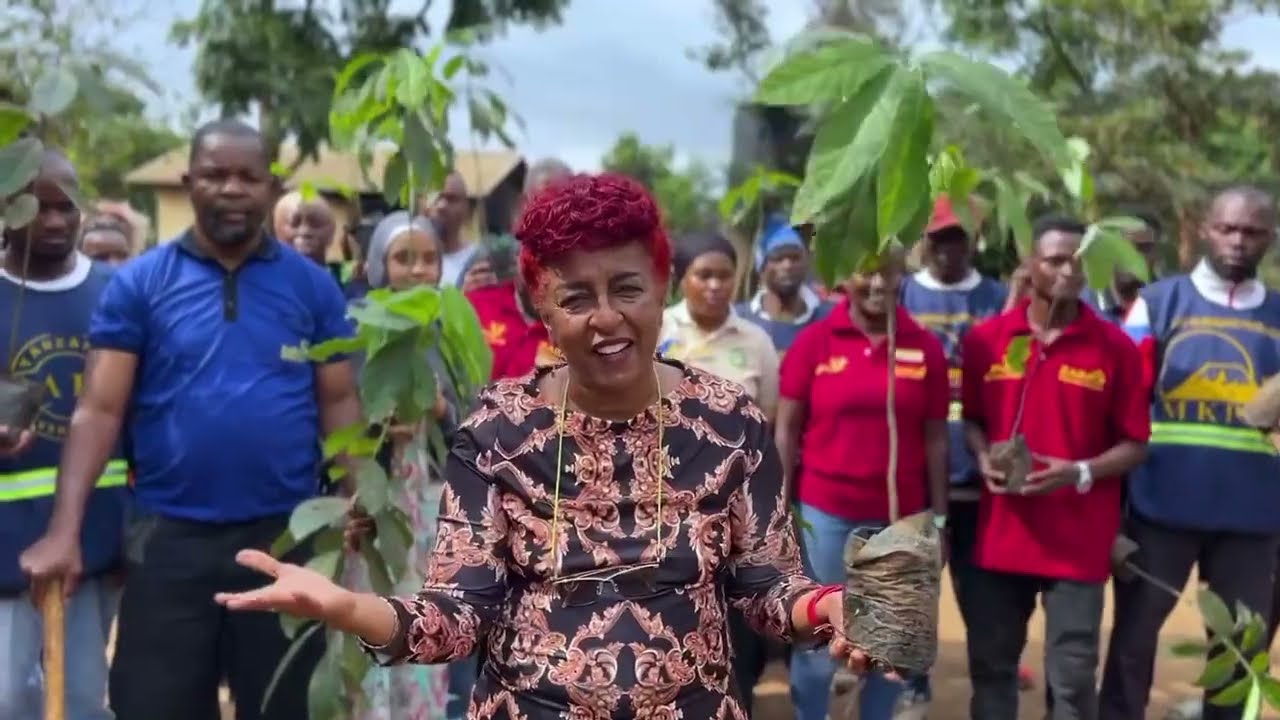
In 2009 she established Zara Tanzania Charity as a formal way of giving back. The charity channels support—including a portion of tourism-related contributions—into practical initiatives that address education, women’s economic empowerment, porter welfare, and environmental care. Under her leadership, the organization has grown into a trusted partner for communities in the Kilimanjaro region and beyond. Her guiding philosophy is that tourism should benefit host communities and that lasting change requires long-term relationships, local knowledge, and shared responsibility.
Zainab’s work has received national and international recognition for advancing responsible tourism and community development. She continues to set the vision for the charity: projects that are rooted in real needs, delivered with dignity, and designed for sustainability.
You can learn more about her journey and the connection between tourism and community impact on the official founder page: https://zainabansell.com/
Our Programme and Community Team
The day-to-day delivery of Zara Tanzania Charity’s work relies on a combination of local leadership, programme coordinators, educators, community facilitators, and support staff who live and work in the areas served. These team members coordinate with village leaders, teachers, women’s groups, and mountain crews. They handle logistics, monitor progress, maintain relationships, and ensure resources reach the intended beneficiaries.
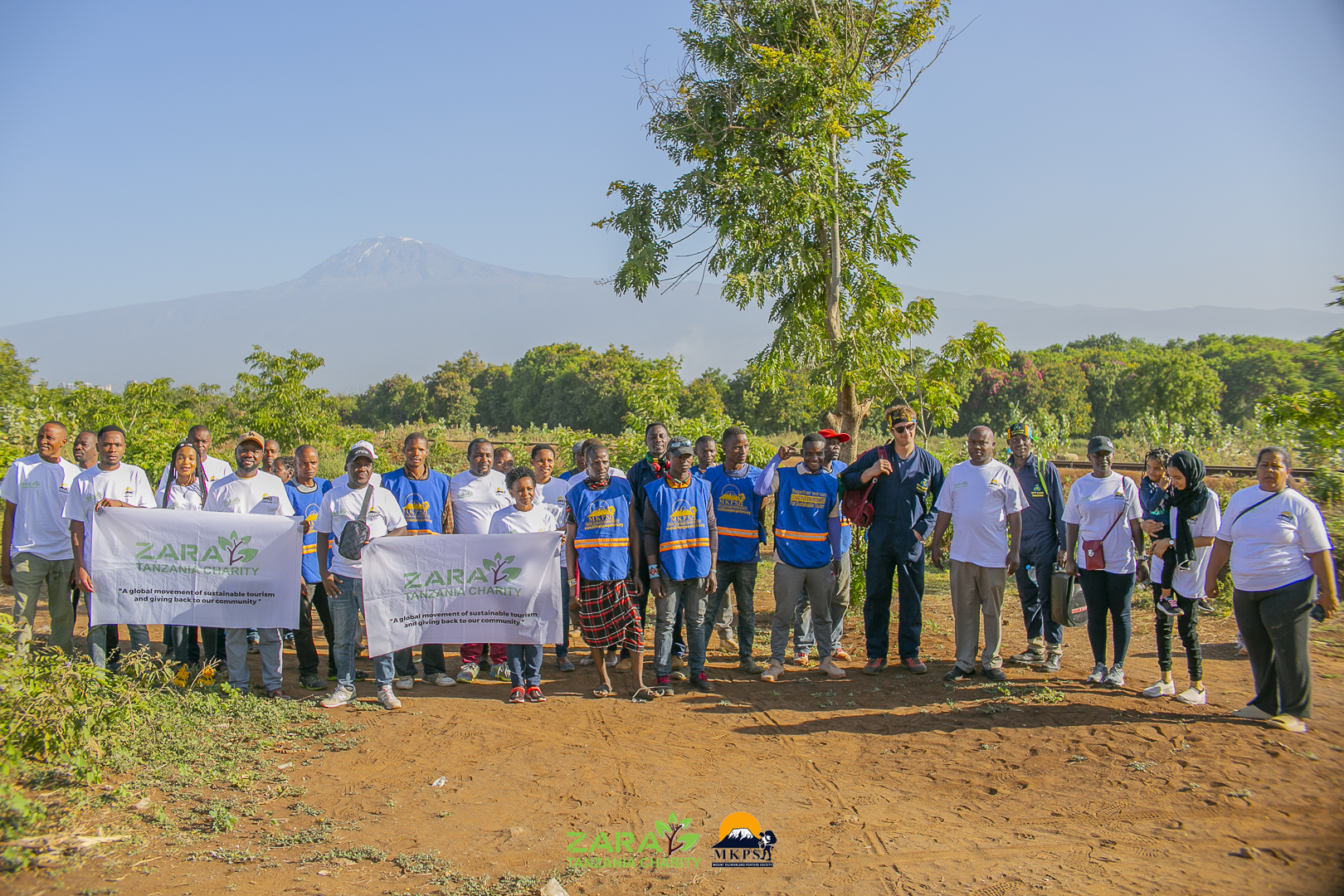
Because the organisation places strong emphasis on local ownership, the core of the programme team is grounded in the communities themselves. Local staff and partners bring language skills, cultural understanding, and long-term continuity that external supporters alone cannot provide. They identify priorities, adapt plans when circumstances change, and help design solutions that communities can eventually sustain.
When carefully matched to genuine needs, international volunteers and short-term supporters contribute energy and specific skills. The organization prioritizes responsible volunteering: placements are based on community requirements rather than visitor preferences, and safeguarding standards are applied especially where work involves children.
Supporters—individual donors, families, corporate partners, and travellers who choose to give back after a Kilimanjaro climb or safari—form an essential extended part of the team. Their contributions fund classrooms, meals, training, insurance for porters, tree planting, and clean-up campaigns. Without this collective effort the programmes could not continue or expand.
Exact individual names, photographs, lengths of service, and personal statements for current programme staff are maintained by the organisation and updated as verified. The emphasis remains on the collective work rather than personalised profiles that have not been formally approved for public release.
Our Approach: Rooted in Local Knowledge and Long-Term Relationships
Zara Tanzania Charity’s method is straightforward and deliberate. Work begins with listening. Community leaders, parents, teachers, women’s groups, and mountain workers identify the most pressing needs. Projects are then designed in partnership so that solutions fit the local context.
This approach avoids assumptions. A classroom is built where early childhood education is missing. Training is offered where women request skills that can generate income. Insurance, gear, and fair-treatment standards are advanced for porters because those who carry loads on Kilimanjaro face documented risks. Tree-planting and clean-up campaigns respond to visible environmental pressure on the mountain and surrounding areas.
Long-term relationships matter. Many initiatives have continued for years because trust has been built and local ownership has grown. The organisation measures progress through practical outcomes—children enrolled and progressing in school, women earning income, porters covered by insurance or trained in safety, trees planted and waste removed—rather than short-term publicity.
Transparency and accountability are part of the culture. Resources are directed to stated purposes, and the organisation welcomes enquiries about how support is used. Partnerships with tourism operators, including Zara Tanzania Adventures, help link visitors who experience Tanzania’s landscapes with the communities that make those experiences possible.
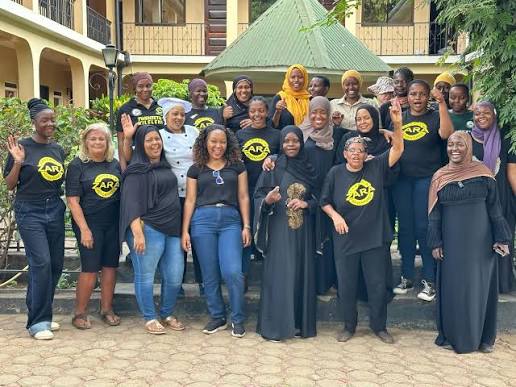
What Our Team Works On: Current Verified Programme Areas
The team focuses on a set of active, community-linked programmes. These are the areas currently supported and described on the organization’s project pages.
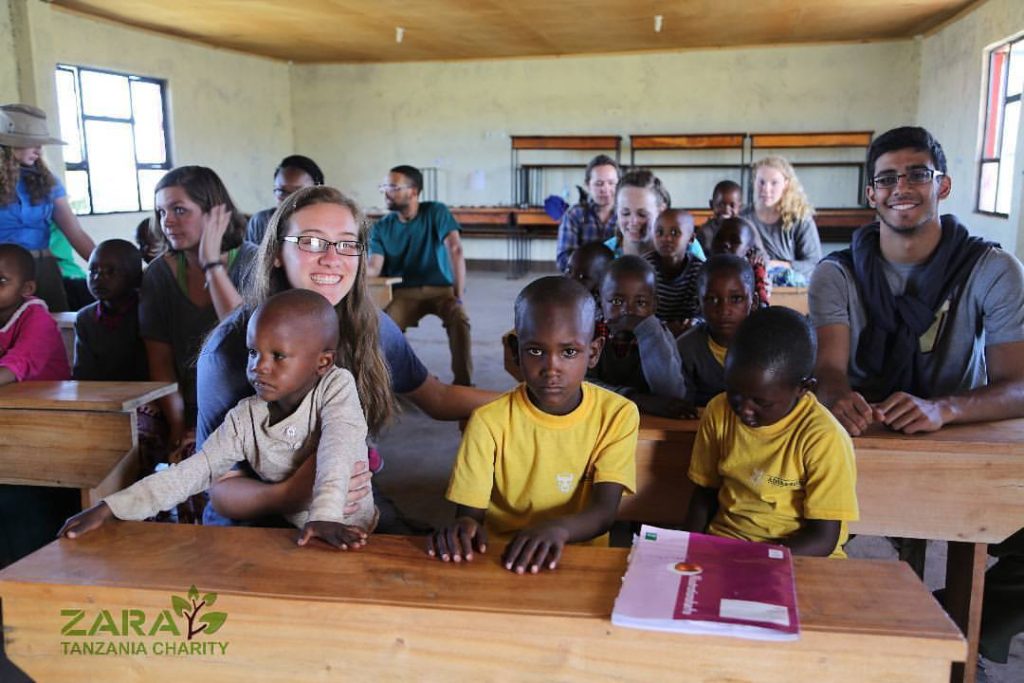
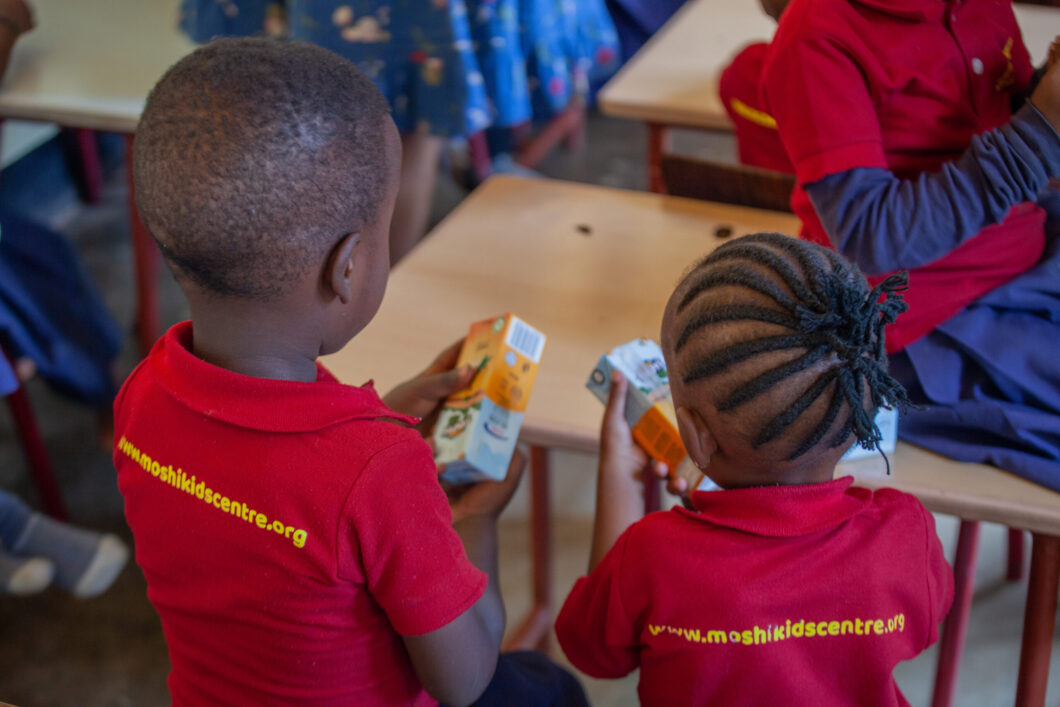
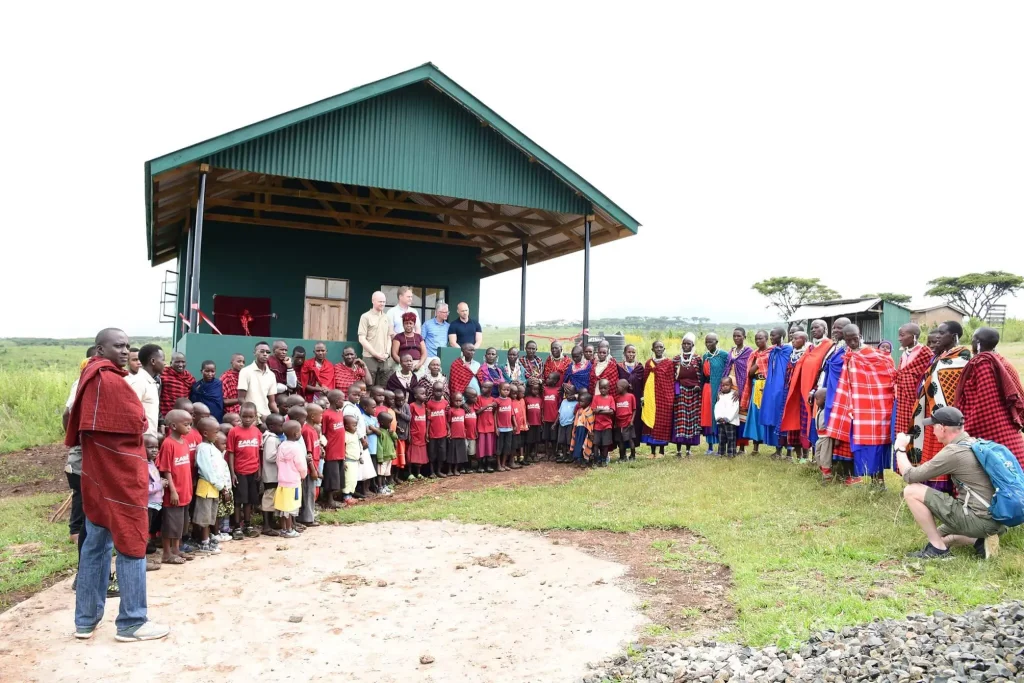
Education and early childhood support The Moshi Kids Centre in the Pasua area of Moshi provides free early childhood education, daily nutritious meals, school materials, uniforms, and a safe environment for underprivileged and at-risk children, including orphans and those from low-income families. The centre helps children prepare for primary school and has supported hundreds of children over the years, with classroom expansions increasing capacity. Related education efforts include support for primary-school access and the Maasai Pre-School Project in the Ngorongoro area, which serves children from pastoralist communities.
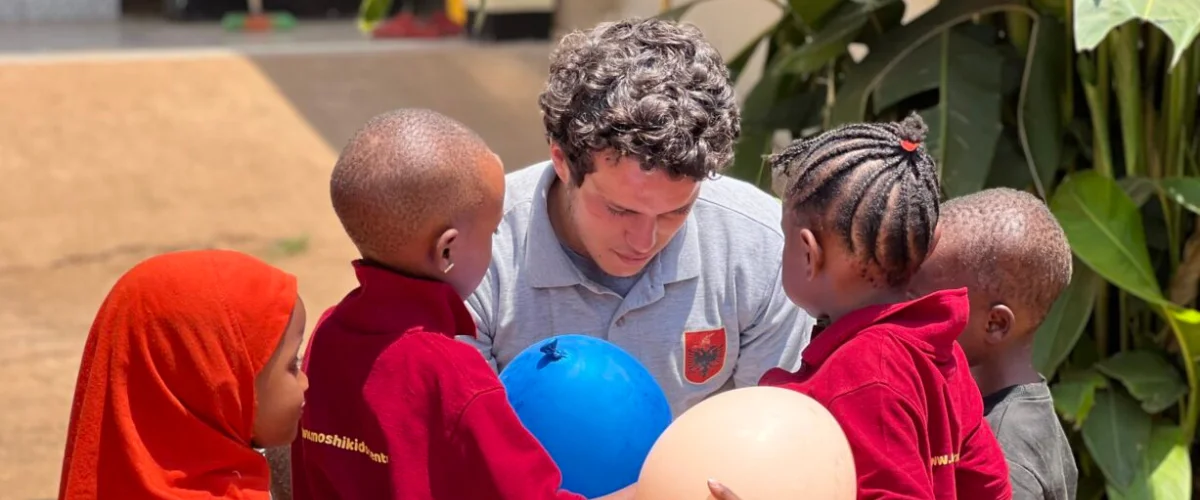
Learn more: Moshi Kids Centre Project and Maasai Pre-School project
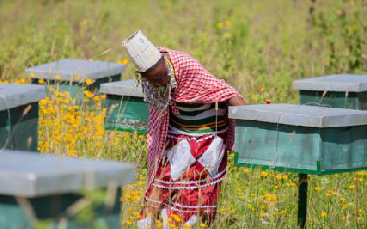
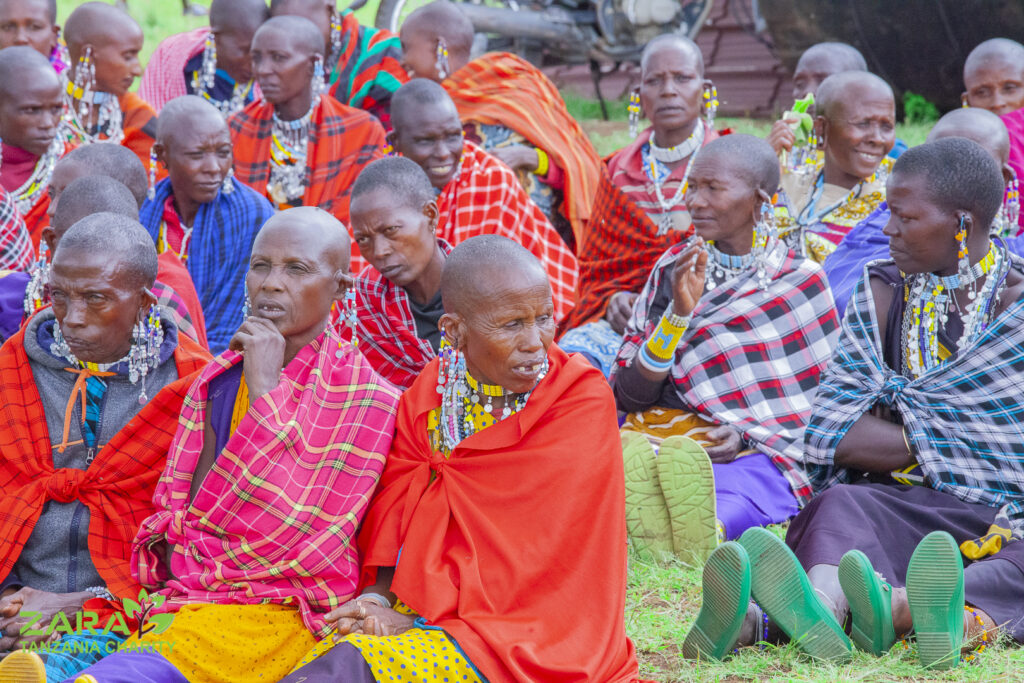
Women’s empowerment and livelihoods Programmes such as Maasai Women Make a Change and the Asali Project support women with practical skills, beadwork and craft production, beekeeping, entrepreneurship training, and market access. These initiatives help women generate income, support their families, and build greater economic independence while preserving cultural practices.
Details: maasai-women-make-a-change and the-asali-project
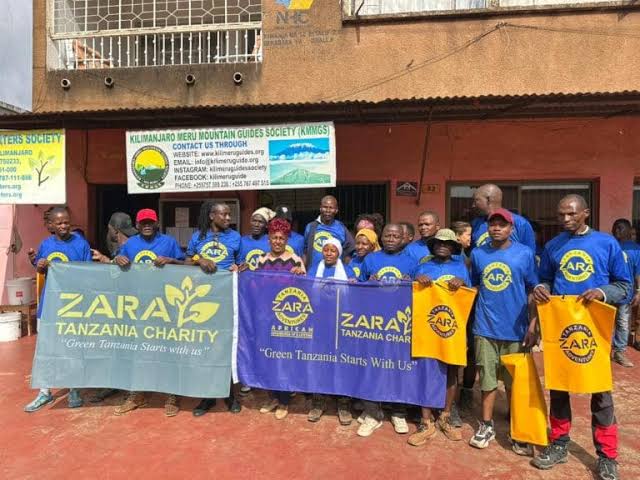
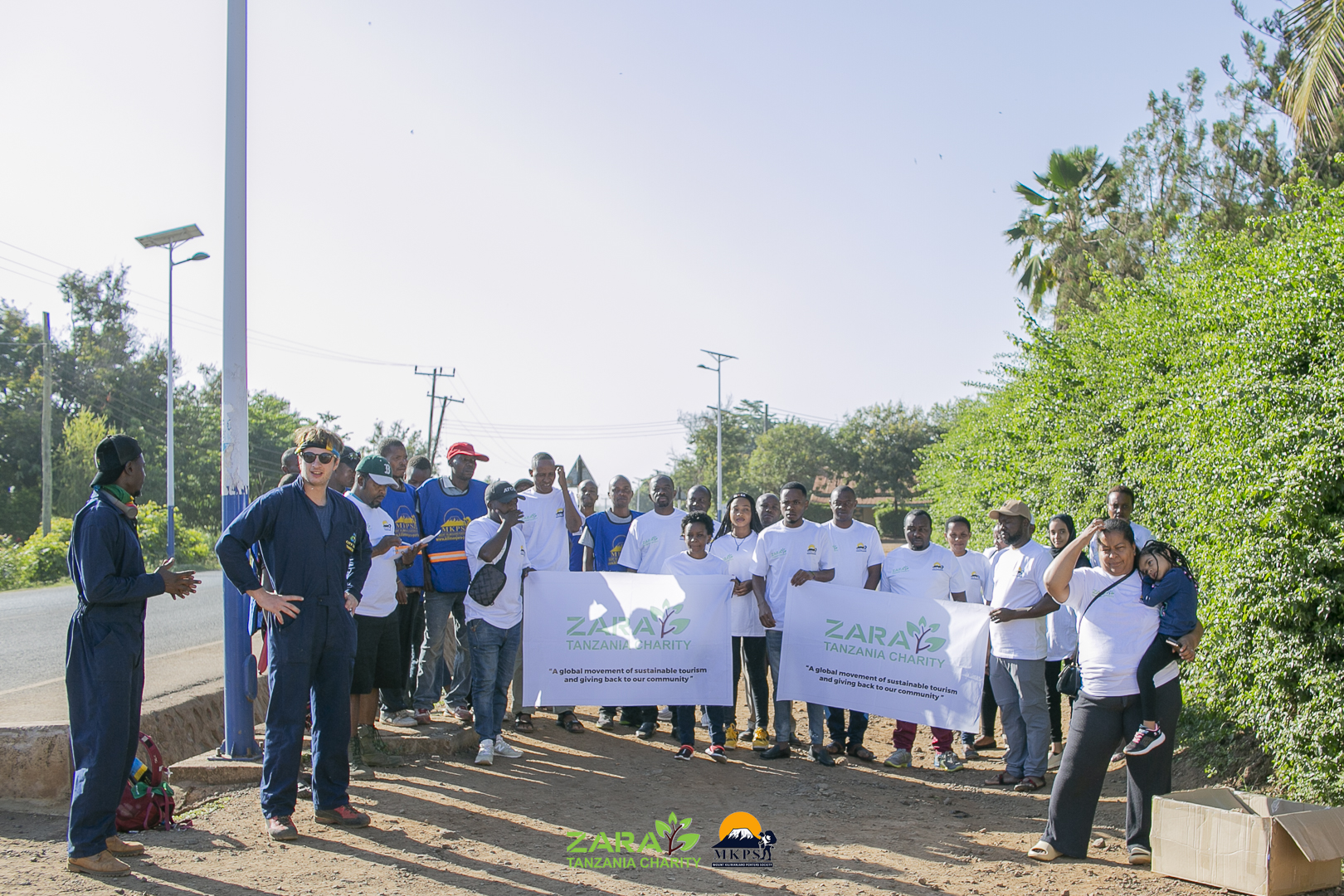
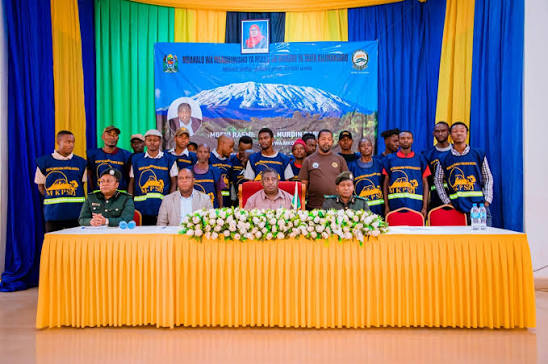
Porter welfare and mountain community support Through partnership with the Mount Kilimanjaro Porters Society (MKPS), the organisation advances fairer working conditions, health insurance coverage, safety and first-aid training, proper equipment, and environmental awareness for the men and women who support climbers on Kilimanjaro and Meru. Annual clean-up campaigns remove waste from the mountain routes and contribute to wider environmental efforts.
Read more:
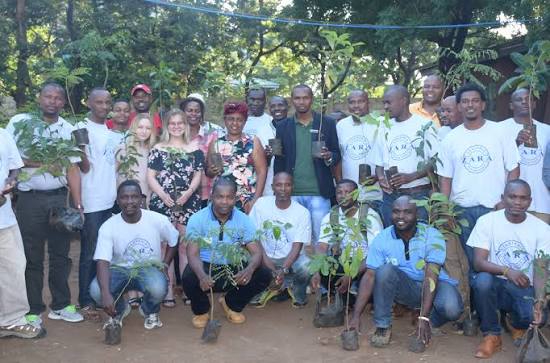
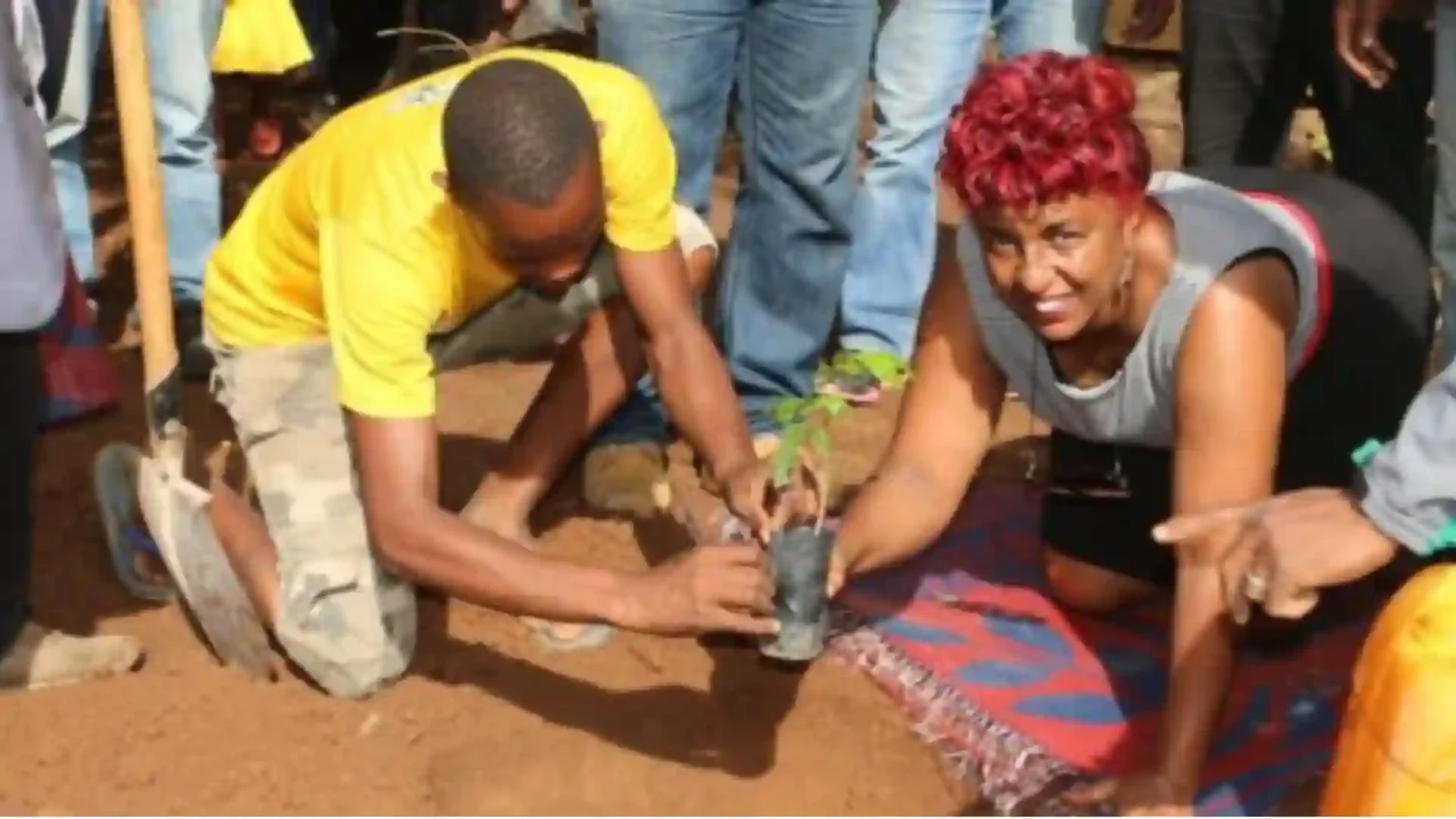
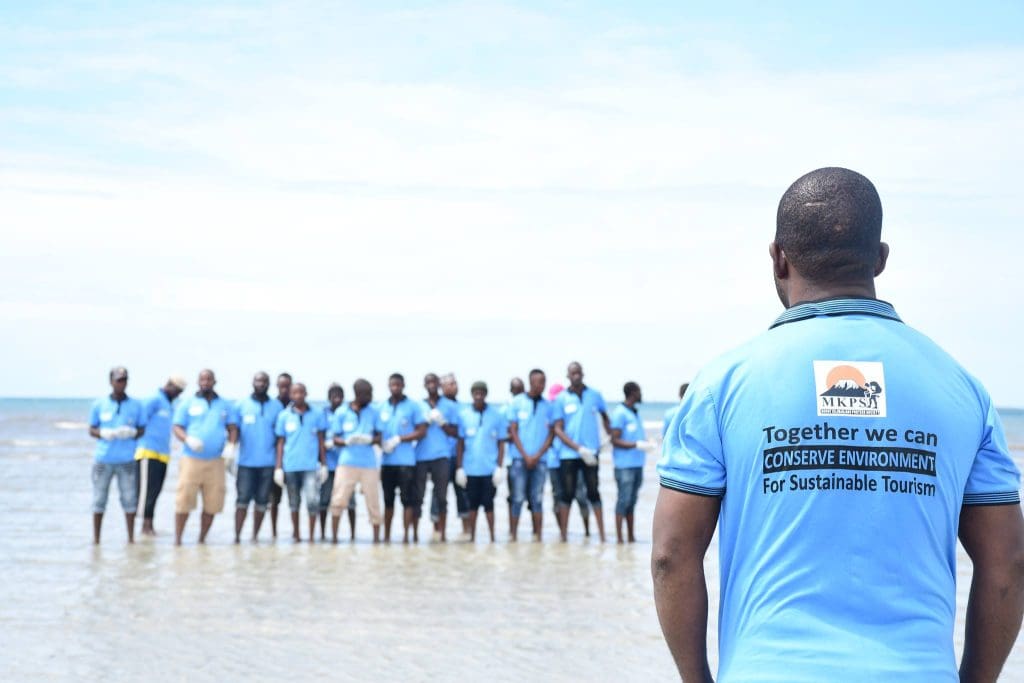
Environmental conservation Tree-planting projects and ocean and community clean-up initiatives form an active part of the work. These efforts protect Tanzania’s natural heritage, support long-term sustainability of tourism, and involve local participants, including porters and community members. Tens of thousands of trees have been planted over the years as part of ongoing campaigns.
Explore: and
A full overview of current projects is available at https://www.zaratanzaniacharity.org/projects/.
Meet Us Through Our Work
The most accurate way to understand the team is to see the results of their daily effort. Classrooms filled with children who previously lacked early education. Women’s groups producing and selling crafts or honey. Porters receiving training and insurance. Hillsides and mountain trails improved through planting and clean-ups. These outcomes are produced by local coordinators, educators, community facilitators, and supporters working in concert under the vision set by the founder.
The organisation continues to grow its introduction to the people delivering the programmes. Real names, verified responsibilities, photographs, and personal stories will be shared as they are formally approved. Until then, the focus remains on the collective commitment and the transparent programmes that supporters can engage with directly.
How You Can Support the Team and the Work
If the people and programmes described here resonate with you, there are clear next steps:
Every contribution—whether time, expertise, or financial support—helps the people behind Zara Tanzania Charity continue the practical, community-rooted work that has been underway since 2009. The team listens, organises, teaches, and builds relationships so that children gain education, women gain opportunity, mountain workers gain dignity and safety, and the environment is better protected for the future.
Thank you for taking the time to meet the people and the purpose behind the programmes. We invite you to explore the work further and to join in the next step that feels right for you.


Meet the Team Behind Zara Tanzania Charity
Behind every successful community programme in Tanzania stand people who listen carefully, organize thoughtfully, teach with patience, coordinate logistics, and build lasting relationships. At Zara Tanzania Charity, impact is never abstract. Dedicated individuals create it by working alongside the communities they serve in Moshi, around Mount Kilimanjaro, in Ngorongoro, and beyond.
Zara Tanzania Charity is a registered Tanzanian non-governmental organization (Certificate No. 00NGO/00003212), founded in 2009. Its purpose is clear: to extend the benefits of tourism to local communities through practical, community-driven projects in education, women’s empowerment, livelihoods, healthcare support, community development, and environmental conservation. The organization partners with travelers, tourism businesses, volunteers, and individual supporters so that resources respond to real local needs rather than external assumptions.
Our Founder: Zainab Ansell (Mama Zara)
Zara Tanzania Charity was founded by Ms Zainab Ansell, also widely known as Mama Zara. She is the Founder and Director of Zara Tanzania Adventures, a tourism company she established in the mid-1980s in a sector that was then overwhelmingly male-dominated. Drawing on years of experience in travel and hospitality, she recognised both the opportunities tourism creates and the challenges faced by children, women, porters, and families in the communities that make tourism possible.
In 2009 she established Zara Tanzania Charity as a formal way of giving back. The charity channels support—including a portion of tourism-related contributions—into practical initiatives that address education, women’s economic empowerment, porter welfare, and environmental care. Under her leadership, the organization has grown into a trusted partner for communities in the Kilimanjaro region and beyond. Her guiding philosophy is that tourism should benefit host communities and that lasting change requires long-term relationships, local knowledge, and shared responsibility.
Zainab’s work has received national and international recognition for advancing responsible tourism and community development. She continues to set the vision for the charity: projects that are rooted in real needs, delivered with dignity, and designed for sustainability.
You can learn more about her journey and the connection between tourism and community impact on the official founder page: https://zainabansell.com/
Our Programme and Community Team
The day-to-day delivery of Zara Tanzania Charity’s work relies on a combination of local leadership, programme coordinators, educators, community facilitators, and support staff who live and work in the areas served. These team members coordinate with village leaders, teachers, women’s groups, and mountain crews. They handle logistics, monitor progress, maintain relationships, and ensure resources reach the intended beneficiaries.
Because the organisation places strong emphasis on local ownership, the core of the programme team is grounded in the communities themselves. Local staff and partners bring language skills, cultural understanding, and long-term continuity that external supporters alone cannot provide. They identify priorities, adapt plans when circumstances change, and help design solutions that communities can eventually sustain.
When carefully matched to genuine needs, international volunteers and short-term supporters contribute energy and specific skills. The organization prioritizes responsible volunteering: placements are based on community requirements rather than visitor preferences, and safeguarding standards are applied especially where work involves children.
Supporters—individual donors, families, corporate partners, and travellers who choose to give back after a Kilimanjaro climb or safari—form an essential extended part of the team. Their contributions fund classrooms, meals, training, insurance for porters, tree planting, and clean-up campaigns. Without this collective effort the programmes could not continue or expand.
Exact individual names, photographs, lengths of service, and personal statements for current programme staff are maintained by the organisation and updated as verified. The emphasis remains on the collective work rather than personalised profiles that have not been formally approved for public release.
Our Approach: Rooted in Local Knowledge and Long-Term Relationships
Zara Tanzania Charity’s method is straightforward and deliberate. Work begins with listening. Community leaders, parents, teachers, women’s groups, and mountain workers identify the most pressing needs. Projects are then designed in partnership so that solutions fit the local context.
This approach avoids assumptions. A classroom is built where early childhood education is missing. Training is offered where women request skills that can generate income. Insurance, gear, and fair-treatment standards are advanced for porters because those who carry loads on Kilimanjaro face documented risks. Tree-planting and clean-up campaigns respond to visible environmental pressure on the mountain and surrounding areas.
Long-term relationships matter. Many initiatives have continued for years because trust has been built and local ownership has grown. The organisation measures progress through practical outcomes—children enrolled and progressing in school, women earning income, porters covered by insurance or trained in safety, trees planted and waste removed—rather than short-term publicity.
Transparency and accountability are part of the culture. Resources are directed to stated purposes, and the organisation welcomes enquiries about how support is used. Partnerships with tourism operators, including Zara Tanzania Adventures, help link visitors who experience Tanzania’s landscapes with the communities that make those experiences possible.
What Our Team Works On: Current Verified Programme Areas
The team focuses on a set of active, community-linked programmes. These are the areas currently supported and described on the organization’s project pages.
Education and early childhood support The Moshi Kids Centre in the Pasua area of Moshi provides free early childhood education, daily nutritious meals, school materials, uniforms, and a safe environment for underprivileged and at-risk children, including orphans and those from low-income families. The centre helps children prepare for primary school and has supported hundreds of children over the years, with classroom expansions increasing capacity. Related education efforts include support for primary-school access and the Maasai Pre-School Project in the Ngorongoro area, which serves children from pastoralist communities.
Learn more: Moshi Kids Centre Project and Maasai Pre-School project
Women’s empowerment and livelihoods Programmes such as Maasai Women Make a Change and the Asali Project support women with practical skills, beadwork and craft production, beekeeping, entrepreneurship training, and market access. These initiatives help women generate income, support their families, and build greater economic independence while preserving cultural practices.
Details: maasai-women-make-a-change and the-asali-project
Porter welfare and mountain community support Through partnership with the Mount Kilimanjaro Porters Society (MKPS), the organisation advances fairer working conditions, health insurance coverage, safety and first-aid training, proper equipment, and environmental awareness for the men and women who support climbers on Kilimanjaro and Meru. Annual clean-up campaigns remove waste from the mountain routes and contribute to wider environmental efforts.
Read more:Mount Kilimanjaro porters society (MKPS)
Environmental conservation Tree-planting projects and ocean and community clean-up initiatives form an active part of the work. These efforts protect Tanzania’s natural heritage, support long-term sustainability of tourism, and involve local participants, including porters and community members. Tens of thousands of trees have been planted over the years as part of ongoing campaigns.
Explore: Tree Planting Project and Ocean cleanup project
A full overview of current projects is available at https://www.zaratanzaniacharity.org/projects/.
Meet Us Through Our Work
The most accurate way to understand the team is to see the results of their daily effort. Classrooms filled with children who previously lacked early education. Women’s groups producing and selling crafts or honey. Porters receiving training and insurance. Hillsides and mountain trails improved through planting and clean-ups. These outcomes are produced by local coordinators, educators, community facilitators, and supporters working in concert under the vision set by the founder.
The organisation continues to grow its introduction to the people delivering the programmes. Real names, verified responsibilities, photographs, and personal stories will be shared as they are formally approved. Until then, the focus remains on the collective commitment and the transparent programmes that supporters can engage with directly.
How You Can Support the Team and the Work
If the people and programmes described here resonate with you, there are clear next steps:
Every contribution—whether time, expertise, or financial support—helps the people behind Zara Tanzania Charity continue the practical, community-rooted work that has been underway since 2009. The team listens, organises, teaches, and builds relationships so that children gain education, women gain opportunity, mountain workers gain dignity and safety, and the environment is better protected for the future.
Thank you for taking the time to meet the people and the purpose behind the programmes. We invite you to explore the work further and to join in the next step that feels right for you.
Share This:
Boston
Related Posts
Environment Moshi: Challenges & Community Action Cause Awareness Environment Moshi: Challenges Facing the Kilimanjaro Region…
Orphan Support Africa: Vulnerable Children in Tanzania Cause Awareness Orphan Support Africa: What Happens to…
Maasai Women Empowerment: Breaking Poverty Cycles Cause Awareness Maasai Women Empowerment: Breaking Cycles of Poverty…
Education Tanzania: Why Rural Children Miss School Cause Awareness Education Tanzania: Why Rural Children Still…
Kilimanjaro Porters: Hidden Struggles Every Climber Should Know Porter Welfare Guide Kilimanjaro Porters: The Hidden…
Poverty in Tanzania: Real Data, Causes & What’s Being Done Cause Awareness Poverty in Tanzania:…
Meet the Team Behind Zara Tanzania Charity Behind every successful community programme in Tanzania stand…
How to Vet a Charity Before You Donate: A Practical Checklist Donating to a cause…
ZARA Tanzania Charity Our 2026 Impact Report: What We Achieved This Year, By the Numbers…
Meet the Team: The People Behind Zara Tanzania Charity Meaningful community work is, at its…