Stop 01
The Hidden Reality of Kilimanjaro Porters
Kilimanjaro porters are essential to every successful climb, yet their working conditions often remain invisible to visitors. These hardworking men and women carry tents, food, water and equipment so climbers can walk with lighter packs.
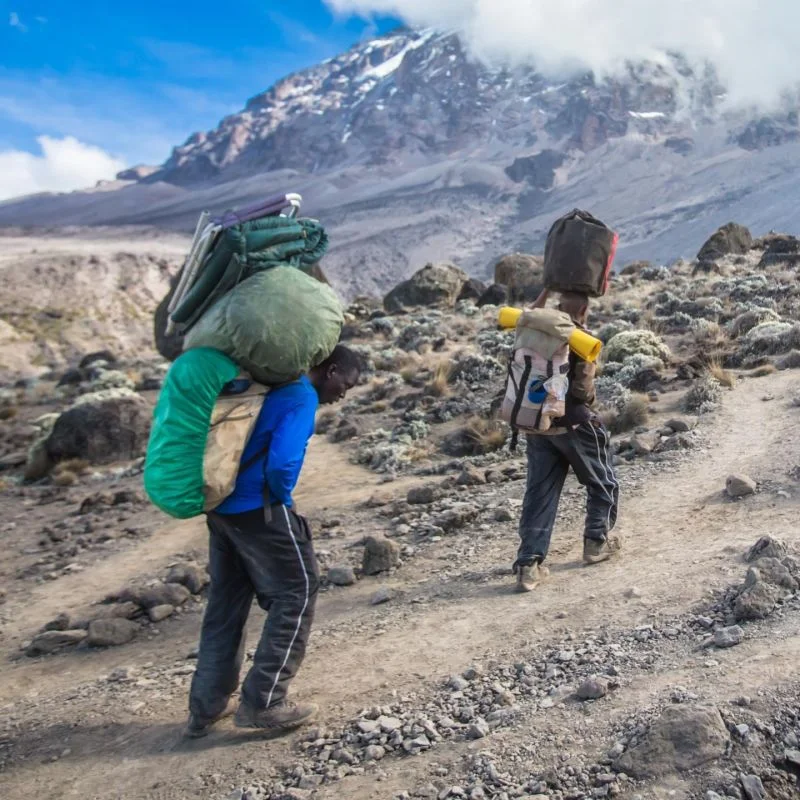
In addition, Kilimanjaro porters usually start earlier and finish later than the climbing group. Despite their critical role, many still face difficult Kilimanjaro porter conditions. Therefore, every climber should understand the reality of porter welfare before booking a trek.
You can find practical trekking information on the Mount Kilimanjaro page and climate details in the Climatic Conditions guide.
Stop 02
Heavy Loads Faced by Kilimanjaro Porters
One of the biggest challenges for Kilimanjaro porters is the weight they carry. Although official guidelines exist, some operators still allow loads that exceed safe limits.
As a result, many Kilimanjaro porters walk long hours on steep terrain with heavy packs. In addition, they often arrive at camp much later than climbers. Consequently, their working days become extremely long and tiring.
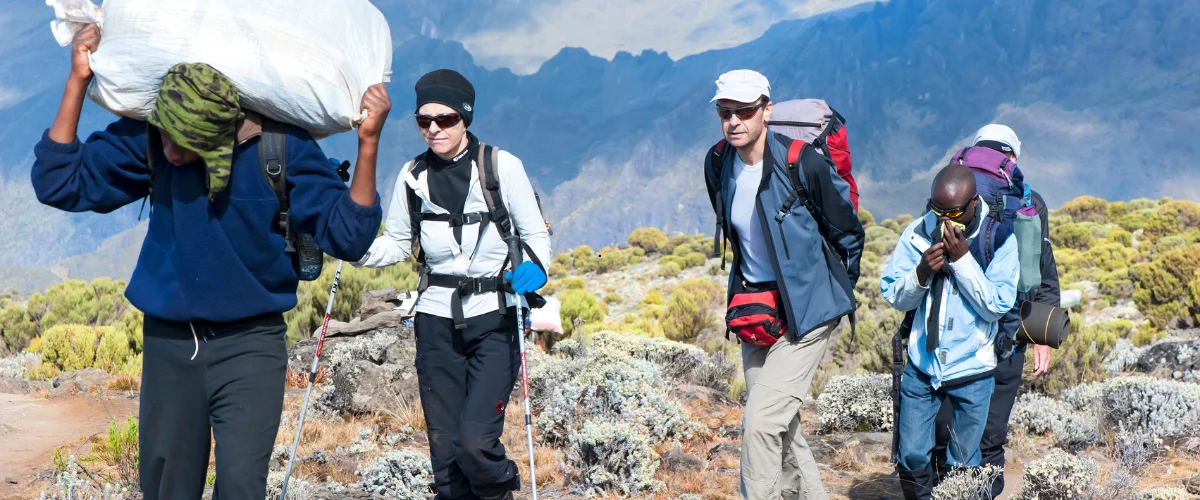
Furthermore, heavy loads increase the risk of injury. Therefore, responsible companies now enforce strict weight limits and regular checks.
Stop 03
Equipment Problems for Kilimanjaro Porters
While climbers arrive with quality gear, many Kilimanjaro porters still work with worn or inadequate clothing and boots. Cold nights at high altitude become especially dangerous without proper equipment.
Moreover, poor footwear leads to blisters and long-term foot problems. As a result, some porters suffer unnecessarily. Fortunately, better operators and welfare programmes now help supply proper gear.
Stop 04
Pay, Tips and Job Security for Kilimanjaro Porters
Fair payment is a core part of porter welfare Kilimanjaro discussions. Although minimum standards exist, enforcement varies widely between companies.
In addition, many Kilimanjaro porters depend on tips to earn a living wage. However, tipping systems are not always clear. As a result, some crew members receive less than they deserve.
For clear guidance, read the Tipping Policy and the On the Trek FAQ.
Stop 05
Health Risks Faced by Kilimanjaro Porters
Kilimanjaro porters face the same altitude and weather risks as climbers, yet they often receive less monitoring. In addition, the pressure to keep working can cause some to hide symptoms.
As a result, preventable problems sometimes become serious. Responsible operators now provide better food, health checks and emergency support for their entire crew.
Stop 06
Improving Porter Welfare on Kilimanjaro
Awareness of Kilimanjaro porter conditions has grown in recent years. Clearer standards for loads, pay, food and clothing are becoming more common among responsible operators.
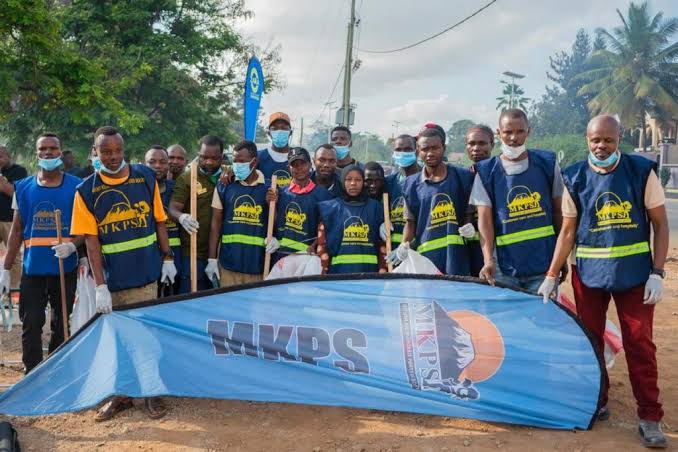
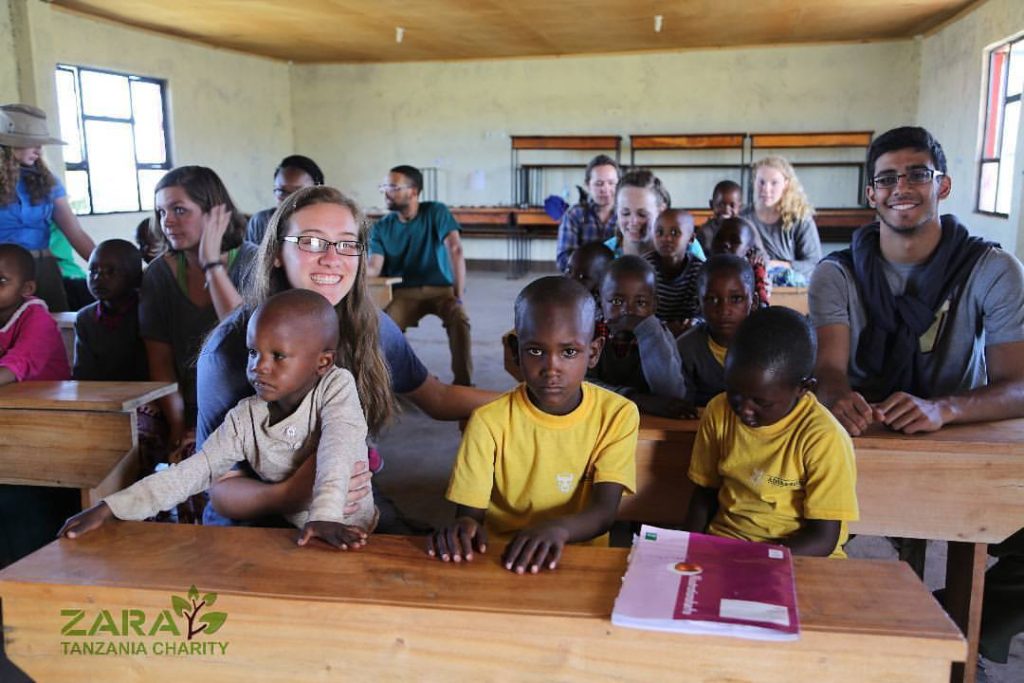
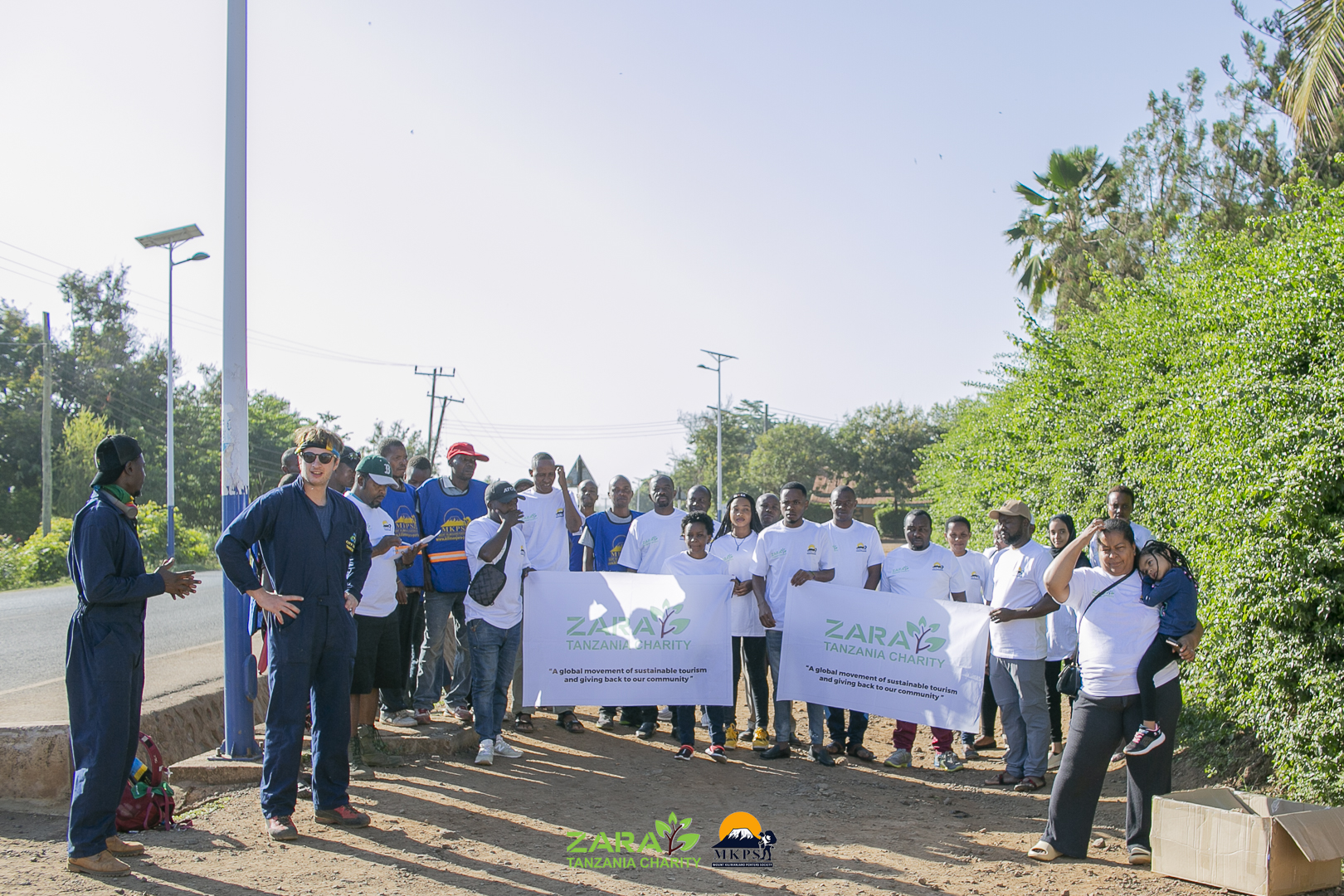
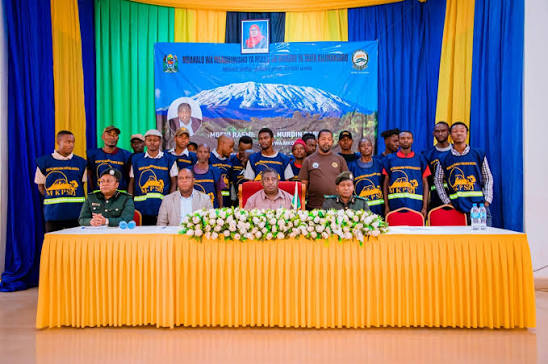
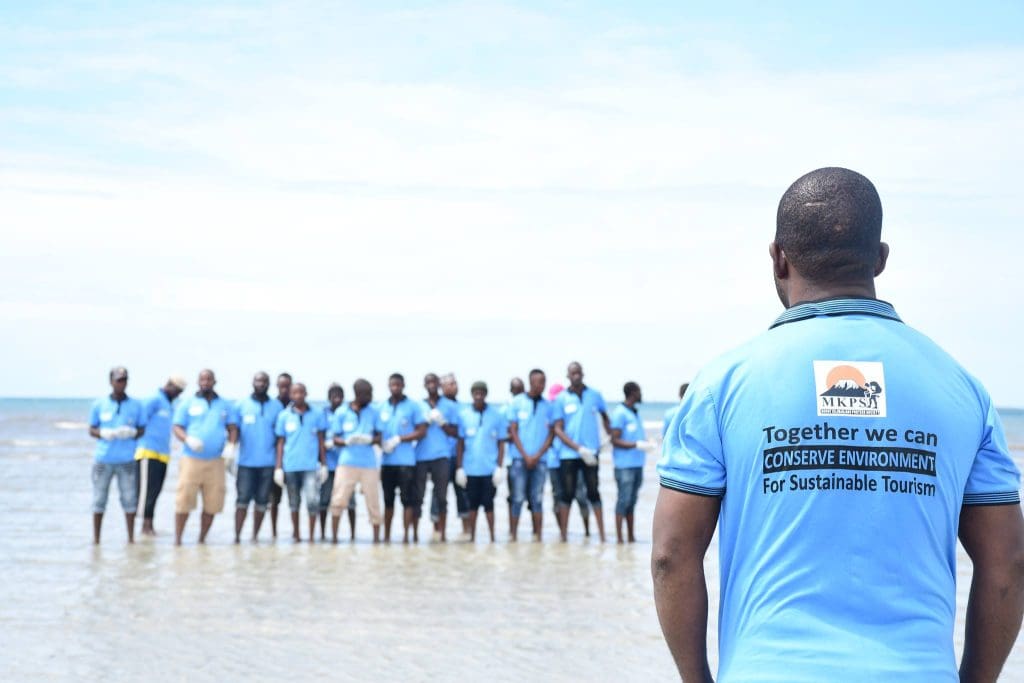
One important organisation working in this area is the Mount Kilimanjaro Porters Society (MKPS). In addition, Zara Charity supports related community programmes. You can learn more on the About Us page and the Our Founder page.
Stop 07
How Climbers Can Support Kilimanjaro Porters
First, choose an operator that clearly explains its porter welfare policies. Second, follow fair tipping guidelines. Third, treat every crew member with respect.
In addition, consider supporting organisations such as the Mount Kilimanjaro Porters Society. Donations help fund better equipment, training and community support.
Stop 08
Frequently Asked Questions About Kilimanjaro Porters
Why do Kilimanjaro porters face difficult conditions?
Challenges come from inconsistent standards, seasonal work and the physical demands of the mountain. However, awareness and better practices are improving the situation.
What is a fair load for Kilimanjaro porters?
Responsible operators keep personal loads around 20 kg or less and weigh bags regularly.
Stop 09 · Take Action
Support Kilimanjaro Porters Today
Every climber who reaches the summit depends on Kilimanjaro porters. By understanding their challenges and taking action, you can help create safer and fairer working conditions.
Learn more or get involved through the Contact Us page.
Support Porter Welfare — Donate or Climb With Us →


Kilimanjaro Porters: The Hidden Struggles Every Climber Should Know
Kilimanjaro porters make every summit possible, yet many climbers know little about their daily reality. This guide explains the hidden struggles of Kilimanjaro porters, the current state of porter welfare, and practical ways you can support better conditions on the mountain.
For: Every Kilimanjaro climber
Goal: Climb responsibly & give back
The Hidden Reality of Kilimanjaro Porters
Kilimanjaro porters are essential to every successful climb, yet their working conditions often remain invisible to visitors. These hardworking men and women carry tents, food, water and equipment so climbers can walk with lighter packs.
In addition, Kilimanjaro porters usually start earlier and finish later than the climbing group. Despite their critical role, many still face difficult Kilimanjaro porter conditions. Therefore, every climber should understand the reality of porter welfare before booking a trek.
You can find practical trekking information on the Mount Kilimanjaro page and climate details in the Climatic Conditions guide.
Heavy Loads Faced by Kilimanjaro Porters
One of the biggest challenges for Kilimanjaro porters is the weight they carry. Although official guidelines exist, some operators still allow loads that exceed safe limits.
As a result, many Kilimanjaro porters walk long hours on steep terrain with heavy packs. In addition, they often arrive at camp much later than climbers. Consequently, their working days become extremely long and tiring.
Furthermore, heavy loads increase the risk of injury. Therefore, responsible companies now enforce strict weight limits and regular checks.
Equipment Problems for Kilimanjaro Porters
While climbers arrive with quality gear, many Kilimanjaro porters still work with worn or inadequate clothing and boots. Cold nights at high altitude become especially dangerous without proper equipment.
Moreover, poor footwear leads to blisters and long-term foot problems. As a result, some porters suffer unnecessarily. Fortunately, better operators and welfare programmes now help supply proper gear.
Pay, Tips and Job Security for Kilimanjaro Porters
Fair payment is a core part of porter welfare Kilimanjaro discussions. Although minimum standards exist, enforcement varies widely between companies.
In addition, many Kilimanjaro porters depend on tips to earn a living wage. However, tipping systems are not always clear. As a result, some crew members receive less than they deserve.
For clear guidance, read the Tipping Policy and the On the Trek FAQ.
Health Risks Faced by Kilimanjaro Porters
Kilimanjaro porters face the same altitude and weather risks as climbers, yet they often receive less monitoring. In addition, the pressure to keep working can cause some to hide symptoms.
As a result, preventable problems sometimes become serious. Responsible operators now provide better food, health checks and emergency support for their entire crew.
Improving Porter Welfare on Kilimanjaro
Awareness of Kilimanjaro porter conditions has grown in recent years. Clearer standards for loads, pay, food and clothing are becoming more common among responsible operators.
One important organisation working in this area is the Mount Kilimanjaro Porters Society (MKPS). In addition, Zara Charity supports related community programmes. You can learn more on the About Us page and the Our Founder page.
How Climbers Can Support Kilimanjaro Porters
First, choose an operator that clearly explains its porter welfare policies. Second, follow fair tipping guidelines. Third, treat every crew member with respect.
In addition, consider supporting organisations such as the Mount Kilimanjaro Porters Society. Donations help fund better equipment, training and community support.
Frequently Asked Questions About Kilimanjaro Porters
Why do Kilimanjaro porters face difficult conditions?
Challenges come from inconsistent standards, seasonal work and the physical demands of the mountain. However, awareness and better practices are improving the situation.
What is a fair load for Kilimanjaro porters?
Responsible operators keep personal loads around 20 kg or less and weigh bags regularly.
How can I support better porter welfare?
Choose a responsible operator, tip fairly, and consider supporting the Mount Kilimanjaro Porters Society.
Support Kilimanjaro Porters Today
Every climber who reaches the summit depends on Kilimanjaro porters. By understanding their challenges and taking action, you can help create safer and fairer working conditions.
Learn more or get involved through the Contact Us page.
Support Porter Welfare — Donate or Climb With Us →
Share This:
Dev
Related Posts
Environment Moshi: Challenges & Community Action Cause Awareness Environment Moshi: Challenges Facing the Kilimanjaro Region…
Orphan Support Africa: Vulnerable Children in Tanzania Cause Awareness Orphan Support Africa: What Happens to…
Maasai Women Empowerment: Breaking Poverty Cycles Cause Awareness Maasai Women Empowerment: Breaking Cycles of Poverty…
Education Tanzania: Why Rural Children Miss School Cause Awareness Education Tanzania: Why Rural Children Still…
Kilimanjaro Porters: Hidden Struggles Every Climber Should Know Porter Welfare Guide Kilimanjaro Porters: The Hidden…
Poverty in Tanzania: Real Data, Causes & What’s Being Done Cause Awareness Poverty in Tanzania:…
Meet the Team Behind Zara Tanzania Charity Behind every successful community programme in Tanzania stand…
How to Vet a Charity Before You Donate: A Practical Checklist Donating to a cause…
ZARA Tanzania Charity Our 2026 Impact Report: What We Achieved This Year, By the Numbers…
Meet the Team: The People Behind Zara Tanzania Charity Meaningful community work is, at its…