Stop 01
Education Tanzania: The Rural Reality
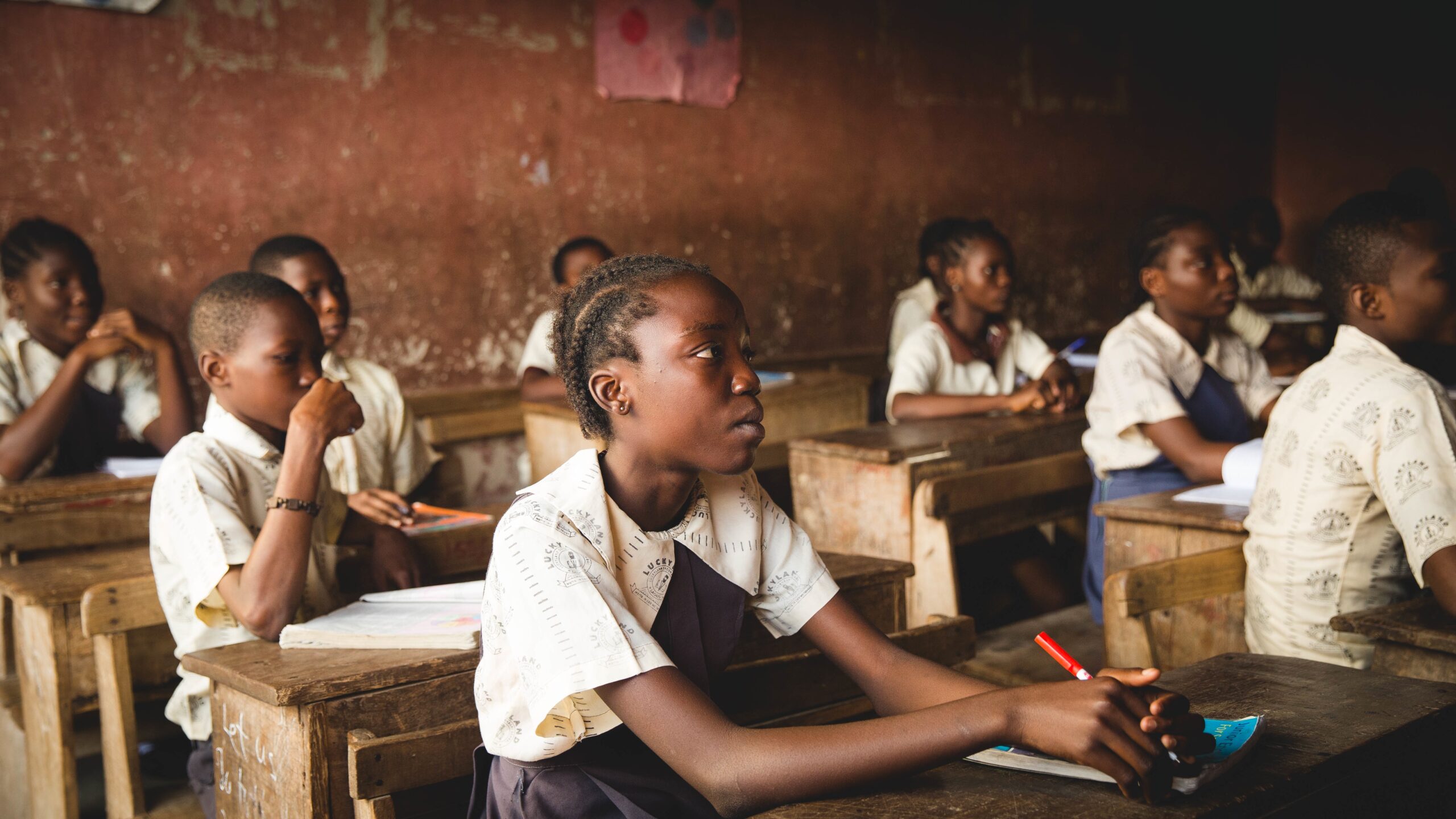
Education Tanzania has expanded access in many towns. Yet rural education Tanzania still leaves large numbers of children behind. Distance, cost and hunger keep many out of class even when a school building exists.
When children miss school for long periods, catching up becomes hard. Some never return. The result is a cycle of low skills and limited opportunity that can last into adult life.
Zara Tanzania Charity works on the practical side of this problem. School fees, desks, meals and learning materials make a direct difference. You can read more about the organisation on our about us page.
Stop 02
Why Children Miss School in Rural Tanzania
Several barriers stack on top of each other. A family may face more than one at the same time. Understanding these reasons helps explain why rural education Tanzania needs targeted support.
Cost is the most common barrier. Even when tuition is low or free, uniforms, books and exam fees can push a child out. Distance is next. Long walks on empty stomachs make regular attendance difficult.
Hunger reduces focus. A child who has not eaten struggles to learn. Poor facilities and missing desks also matter. Sitting on a dirt floor for hours is hard for any student.
These factors are well documented by education agencies. Local programs that remove even one barrier often see attendance rise. That is why practical help linked to real schools works.
Stop 03
School Fees and Hidden Costs
Official fees are only part of the picture. Families also pay for uniforms, exercise books, pens and exam registration. In a low-income rural household these items compete with food and medical costs.
When money is short, education is often the first thing cut. Older children may be asked to work or care for siblings. Girls are sometimes affected first.
Supporting school fees and basic materials keeps children in class. It removes a daily decision that many parents do not want to make. For current projects in this area, see our projects page.
Stop 04
Distance and School Infrastructure
In some villages the nearest school is several kilometres away. Children walk in heat, rain and darkness during early or late hours. Safety concerns rise, especially for girls.
When the walk is too long or too risky, attendance drops. Some families keep younger children at home until they are older and stronger. Valuable early learning years are lost.
Better local facilities and community transport options help. So do programs that make the existing school day more worthwhile once a child arrives.
Stop 05
Hunger and the Ability to Learn
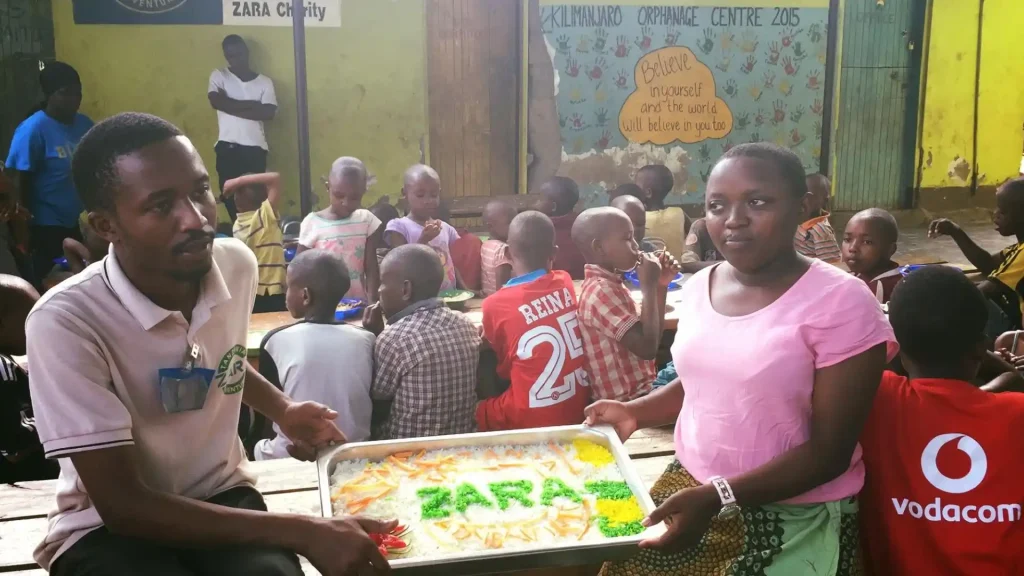
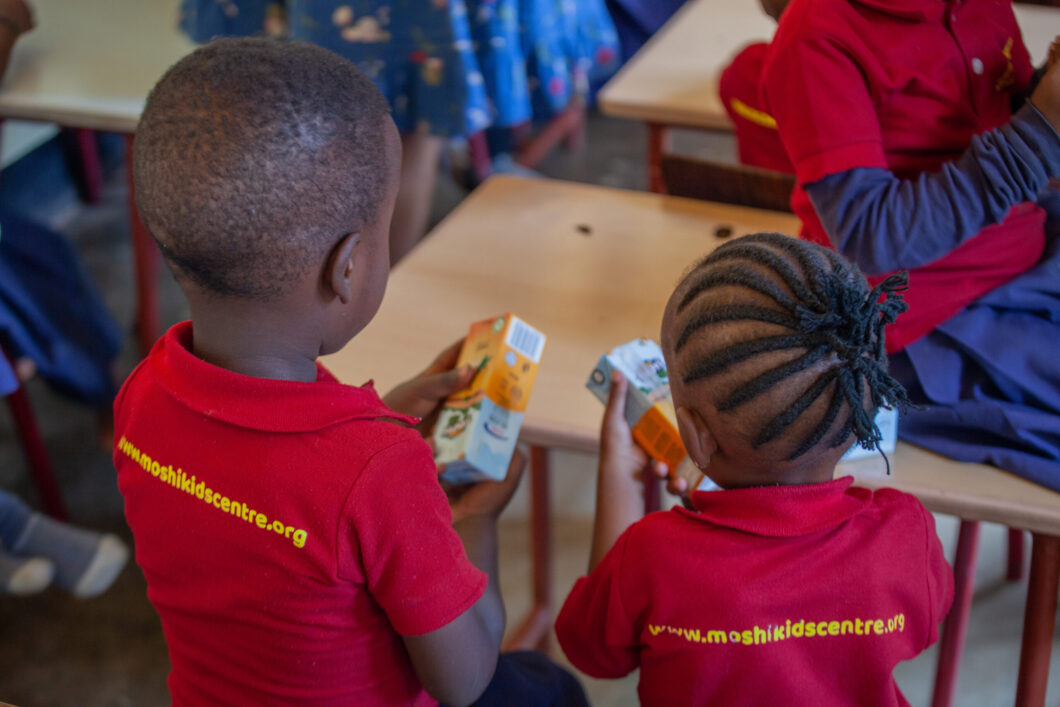
A hungry child cannot concentrate. Studies and classroom experience both show this clearly. When schools provide a simple meal, attendance and attention often improve together.
School feeding is one of the most direct ways to support rural education Tanzania. It addresses both nutrition and learning in a single step. Families also feel less pressure when they know a child will eat during the day.
Meals do not need to be complex. Consistent, basic food at school already changes the daily reality for many students.
Stop 06
Desks, Books and Basic Learning Materials
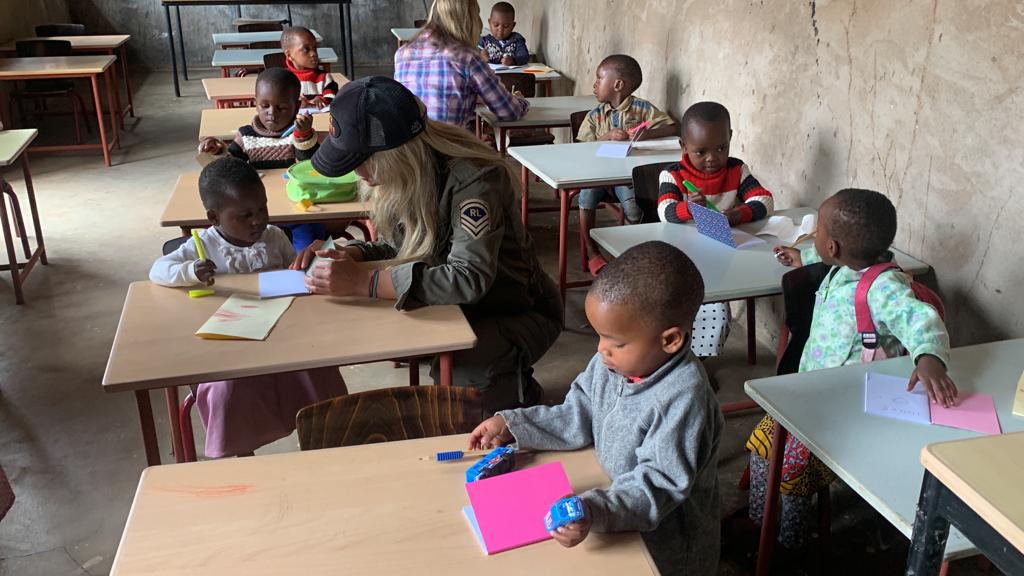
Many rural classrooms still lack enough desks. Children sit on the floor or share limited seating. Writing and reading become harder. Pride in the learning space also falls.
Books and simple teaching aids are often in short supply. Teachers improvise, yet quality materials make lessons clearer and more engaging.
Providing desks and core supplies is practical and visible. Communities see the change. Students feel the difference every day. These are the kinds of concrete steps described across our projects.
Stop 07
Girls and Rural Education Tanzania
Girls face extra barriers in some areas. Household chores, early marriage pressure and safety on the journey to school all play a role. When resources are limited, families may prioritise boys’ education first.
Keeping girls in school has wide effects. Educated mothers tend to support education for their own children. The cycle begins to turn.
Programs that reduce cost, improve safety and provide meals help girls stay enrolled. Targeted support for rural education Tanzania must keep this group in view.
Stop 08
What Actually Improves School Access
Evidence and field experience point to a few high-impact actions. Covering fees and exam costs removes a major barrier. Providing desks and books makes the classroom usable. Offering meals improves both attendance and focus.
Community involvement matters too. When parents and local leaders see consistent support, they reinforce the value of school. Teachers stay more motivated when basic tools are present.
These approaches do not solve every problem. They do address the reasons children miss school most often. That is why they form the core of many effective local programs.
Teachers in rural schools often work with large classes and few resources. When basic tools arrive, their ability to teach improves as well. The whole learning environment rises together.
Parents notice the change. A child who comes home talking about lessons is more likely to be encouraged to continue. Small improvements create their own momentum.
You can learn about the people behind this work on our our founder page and in the FAQs.
Stop 09
How You Can Help a Child Stay in School
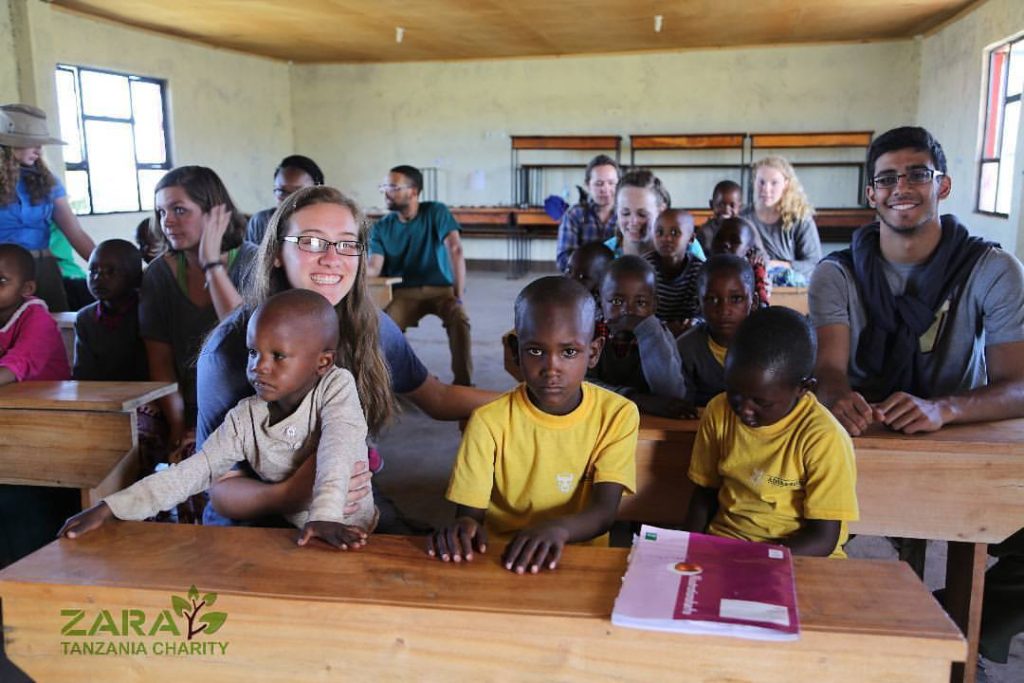
Donations linked to fees, desks, materials or meals go straight to the barriers described above. Even modest gifts add up when they are applied with care at school level.
Sharing accurate information also helps. Many people outside Tanzania are unaware of the daily obstacles rural children face. Clear stories and data open doors for further support.
If you want to discuss a specific form of help, use the contact us page. The team can explain current needs and how gifts are used.
Stop 10
Education Tanzania FAQs
Why do so many children miss school in rural Tanzania?
Main reasons include school-related costs, long distances, hunger and lack of basic classroom materials. These barriers often combine.
Is primary education free?
Official fees may be low or waived, yet families still face costs for uniforms, books and exams. Those hidden costs keep many children out.
How do meals help education Tanzania outcomes?
A school meal improves attendance and concentration. It also reduces pressure on families who struggle to provide food every day.
What is the most practical way to help?
Support that covers fees, desks, learning materials or meals addresses the most common reasons children miss school.
Where can I learn more about current projects?
Visit the projects page or read the FAQs for clear answers.
Stop 11 · Take Action
Help a Child Stay in School — Donate
Rural education Tanzania improves when fees, desks, meals and materials are in place. Your support helps children attend class and stay there. Join the effort today.
Help a Child Stay in School — Donate →



Education Tanzania: Why Rural Children Still Miss School
Education Tanzania faces real gaps in rural areas. Many children miss school because of fees, distance, hunger and lack of basic materials. This guide explains the barriers and how simple support changes outcomes.
Why children miss school
Practical ways to help
Education Tanzania: The Rural Reality
Education Tanzania has expanded access in many towns. Yet rural education Tanzania still leaves large numbers of children behind. Distance, cost and hunger keep many out of class even when a school building exists.
When children miss school for long periods, catching up becomes hard. Some never return. The result is a cycle of low skills and limited opportunity that can last into adult life.
Zara Tanzania Charity works on the practical side of this problem. School fees, desks, meals and learning materials make a direct difference. You can read more about the organisation on our about us page.
Why Children Miss School in Rural Tanzania
Several barriers stack on top of each other. A family may face more than one at the same time. Understanding these reasons helps explain why rural education Tanzania needs targeted support.
Cost is the most common barrier. Even when tuition is low or free, uniforms, books and exam fees can push a child out. Distance is next. Long walks on empty stomachs make regular attendance difficult.
Hunger reduces focus. A child who has not eaten struggles to learn. Poor facilities and missing desks also matter. Sitting on a dirt floor for hours is hard for any student.
These factors are well documented by education agencies. Local programs that remove even one barrier often see attendance rise. That is why practical help linked to real schools works.
School Fees and Hidden Costs
Official fees are only part of the picture. Families also pay for uniforms, exercise books, pens and exam registration. In a low-income rural household these items compete with food and medical costs.
When money is short, education is often the first thing cut. Older children may be asked to work or care for siblings. Girls are sometimes affected first.
Supporting school fees and basic materials keeps children in class. It removes a daily decision that many parents do not want to make. For current projects in this area, see our projects page.
Distance and School Infrastructure
In some villages the nearest school is several kilometres away. Children walk in heat, rain and darkness during early or late hours. Safety concerns rise, especially for girls.
When the walk is too long or too risky, attendance drops. Some families keep younger children at home until they are older and stronger. Valuable early learning years are lost.
Better local facilities and community transport options help. So do programs that make the existing school day more worthwhile once a child arrives.
Hunger and the Ability to Learn
A hungry child cannot concentrate. Studies and classroom experience both show this clearly. When schools provide a simple meal, attendance and attention often improve together.
School feeding is one of the most direct ways to support rural education Tanzania. It addresses both nutrition and learning in a single step. Families also feel less pressure when they know a child will eat during the day.
Meals do not need to be complex. Consistent, basic food at school already changes the daily reality for many students.
Desks, Books and Basic Learning Materials
Many rural classrooms still lack enough desks. Children sit on the floor or share limited seating. Writing and reading become harder. Pride in the learning space also falls.
Books and simple teaching aids are often in short supply. Teachers improvise, yet quality materials make lessons clearer and more engaging.
Providing desks and core supplies is practical and visible. Communities see the change. Students feel the difference every day. These are the kinds of concrete steps described across our projects.
Girls and Rural Education Tanzania
Girls face extra barriers in some areas. Household chores, early marriage pressure and safety on the journey to school all play a role. When resources are limited, families may prioritise boys’ education first.
Keeping girls in school has wide effects. Educated mothers tend to support education for their own children. The cycle begins to turn.
Programs that reduce cost, improve safety and provide meals help girls stay enrolled. Targeted support for rural education Tanzania must keep this group in view.
What Actually Improves School Access
Evidence and field experience point to a few high-impact actions. Covering fees and exam costs removes a major barrier. Providing desks and books makes the classroom usable. Offering meals improves both attendance and focus.
Community involvement matters too. When parents and local leaders see consistent support, they reinforce the value of school. Teachers stay more motivated when basic tools are present.
These approaches do not solve every problem. They do address the reasons children miss school most often. That is why they form the core of many effective local programs.
Teachers in rural schools often work with large classes and few resources. When basic tools arrive, their ability to teach improves as well. The whole learning environment rises together.
Parents notice the change. A child who comes home talking about lessons is more likely to be encouraged to continue. Small improvements create their own momentum.
You can learn about the people behind this work on our our founder page and in the FAQs.
How You Can Help a Child Stay in School
Donations linked to fees, desks, materials or meals go straight to the barriers described above. Even modest gifts add up when they are applied with care at school level.
Sharing accurate information also helps. Many people outside Tanzania are unaware of the daily obstacles rural children face. Clear stories and data open doors for further support.
If you want to discuss a specific form of help, use the contact us page. The team can explain current needs and how gifts are used.
Education Tanzania FAQs
Why do so many children miss school in rural Tanzania?
Main reasons include school-related costs, long distances, hunger and lack of basic classroom materials. These barriers often combine.
Is primary education free?
Official fees may be low or waived, yet families still face costs for uniforms, books and exams. Those hidden costs keep many children out.
How do meals help education Tanzania outcomes?
A school meal improves attendance and concentration. It also reduces pressure on families who struggle to provide food every day.
What is the most practical way to help?
Support that covers fees, desks, learning materials or meals addresses the most common reasons children miss school.
Where can I learn more about current projects?
Visit the projects page or read the FAQs for clear answers.
Help a Child Stay in School — Donate
Rural education Tanzania improves when fees, desks, meals and materials are in place. Your support helps children attend class and stay there. Join the effort today.
Help a Child Stay in School — Donate →
Share This:
Dev
Related Posts
Environment Moshi: Challenges & Community Action Cause Awareness Environment Moshi: Challenges Facing the Kilimanjaro Region…
Orphan Support Africa: Vulnerable Children in Tanzania Cause Awareness Orphan Support Africa: What Happens to…
Maasai Women Empowerment: Breaking Poverty Cycles Cause Awareness Maasai Women Empowerment: Breaking Cycles of Poverty…
Education Tanzania: Why Rural Children Miss School Cause Awareness Education Tanzania: Why Rural Children Still…
Kilimanjaro Porters: Hidden Struggles Every Climber Should Know Porter Welfare Guide Kilimanjaro Porters: The Hidden…
Poverty in Tanzania: Real Data, Causes & What’s Being Done Cause Awareness Poverty in Tanzania:…
Meet the Team Behind Zara Tanzania Charity Behind every successful community programme in Tanzania stand…
How to Vet a Charity Before You Donate: A Practical Checklist Donating to a cause…
ZARA Tanzania Charity Our 2026 Impact Report: What We Achieved This Year, By the Numbers…
Meet the Team: The People Behind Zara Tanzania Charity Meaningful community work is, at its…