Stop 01
Maasai Women Empowerment: A Clear Starting Point
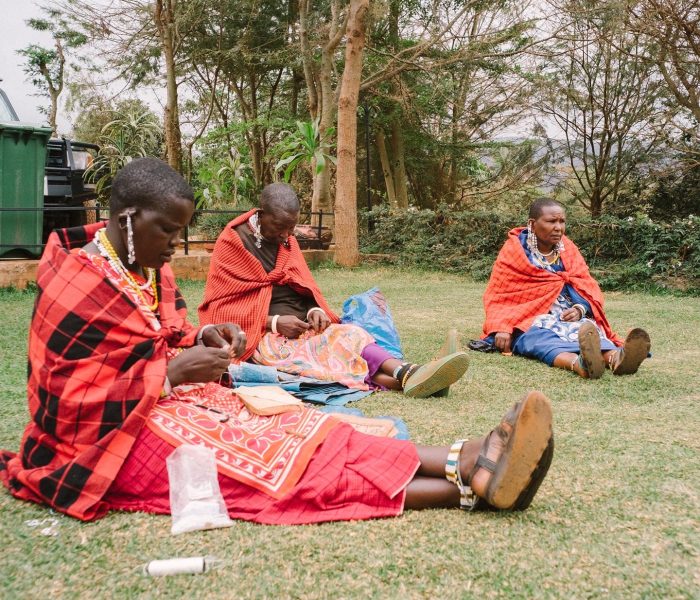
Maasai women empowerment is about more than single projects. It is about giving women practical skills, income options and a stronger voice in daily decisions. When women earn and manage money, families often see better food, schooling and health.
Women economic empowerment Tanzania programs work best when they respect culture and build on existing strengths. Maasai women already manage households and resources under difficult conditions. Training and small capital help them turn that capacity into steady income.
Zara Tanzania Charity supports this kind of practical work. You can learn about the wider mission on our about us page and meet the vision behind it on the our founder page.
Stop 02
Challenges Maasai Women Face
Many Maasai women live in areas where formal jobs are scarce. Livestock and small farming remain central. Drought, market distance and limited credit make income insecure.
Education gaps from earlier years can limit options. Some women did not complete school. Others left early because of family duties or marriage. Restarting learning as an adult takes courage and support.
Decision-making power inside households and communities varies. When women have little say over money or assets, even hard work may not improve their long-term security.
These challenges are real. They are also changeable. Targeted skills and group support have already helped many women move forward.
Stop 03
Why Women Economic Empowerment Tanzania Matters
Income in a woman’s hands is often spent on children first. Food, school costs and basic healthcare rise. This pattern appears across many studies and local observations.
Economic power also builds confidence. Women who earn and save take part more fully in family and group decisions. The effect spreads beyond the individual.
For communities, wider female participation in enterprise strengthens local markets. Products and services improve. Young people see new role models.
Maasai women empowerment therefore serves both fairness and practical development. It addresses gender poverty Tanzania patterns at their root.
Stop 04
Skills Training That Supports Maasai Women
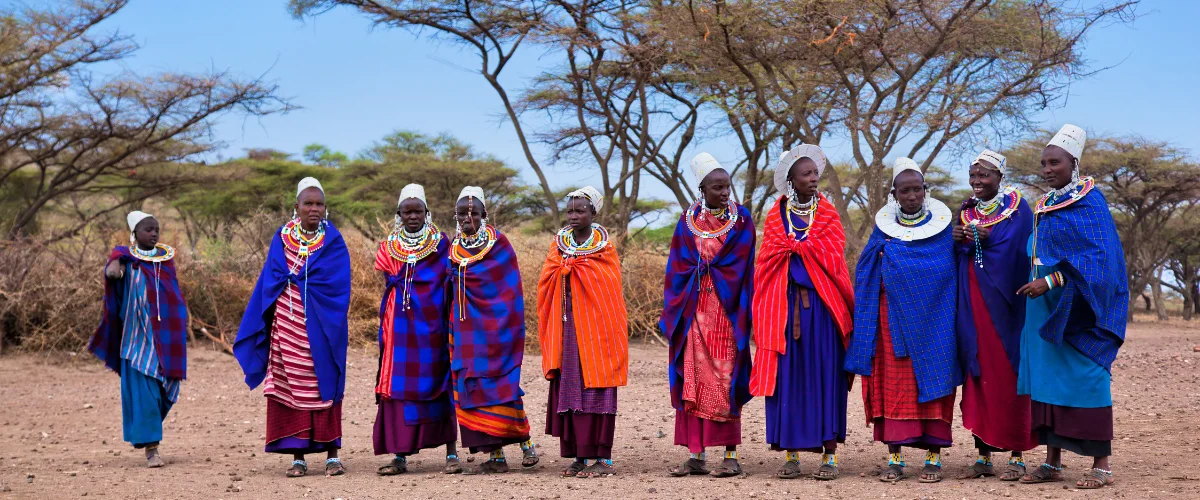
Effective training is short, practical and linked to real markets. Tailoring, beadwork, food processing, basic bookkeeping and livestock management are common starting points.
Training works best when it respects existing knowledge. Many women already have craft or farming skills. Programs that upgrade those skills and add business basics see stronger results.
Follow-up support matters as much as the first course. Mentoring, group meetings and small seed funds help women apply what they learned. Without that bridge, skills can fade.
Current training and group activities are described on our projects page.
Stop 05
Maasai Entrepreneurship in Practice
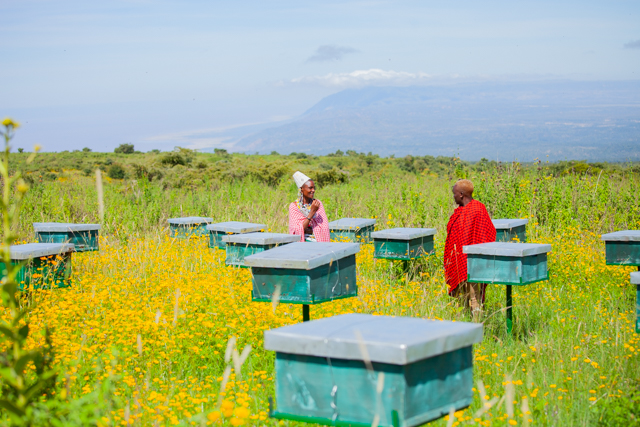
Small enterprises look different in each place. Some women sell milk or handicrafts. Others run small shops, catering or livestock trading. The common thread is control over a modest income stream.
Access to markets is often the hardest step. Transport costs and middlemen can reduce profits. Group marketing and simple value addition help women keep more of the final price.
Savings groups and small loans, when run transparently, give women capital without heavy risk. Many prefer to start very small and grow only when the activity proves stable.
Maasai entrepreneurship is not about large factories. It is about reliable daily and weekly income that a woman can manage herself.
Market linkages remain a key gap. A woman may produce good beadwork or processed food yet struggle to reach buyers who pay fair prices. Support that connects groups to reliable outlets multiplies the value of training.
Record keeping, even at a simple level, helps women track profit and plan. Many programs now include basic numeracy and record skills alongside the core craft or farming training.
Stop 06
Women’s Groups as a Support Structure
Groups provide more than training venues. They offer peer encouragement, shared transport to markets and collective savings. Isolation decreases. Confidence grows.
Well-run groups also give women a collective voice. They can negotiate better prices or request services from local authorities. Individual requests are easier to ignore; group requests carry more weight.
Not every group succeeds. Clear rules, trusted leadership and regular meetings improve the odds. External support that strengthens these basics is often more useful than one-off gifts.
Stop 07
Outcomes for Women and Families
When Maasai women empowerment programs work, several changes appear. Women report more say over household spending. Children stay in school longer. Food variety at home improves.
Some women reinvest in livestock or expand their small business. Others use earnings to cover health costs that previously went unpaid. The exact path differs, yet the direction is consistent.
These outcomes take time. A single training week is rarely enough. Steady support over months and years produces the deeper shifts that break poverty cycles.
Men in the community can become allies when they see household benefits. Programs that communicate openly and avoid confrontation tend to gain wider acceptance over time.
Younger women especially respond to visible role models. When one member of a group succeeds, others gain the confidence to try. Peer example is a powerful teacher.
Stop 08
How Your Support Strengthens Maasai Women Empowerment
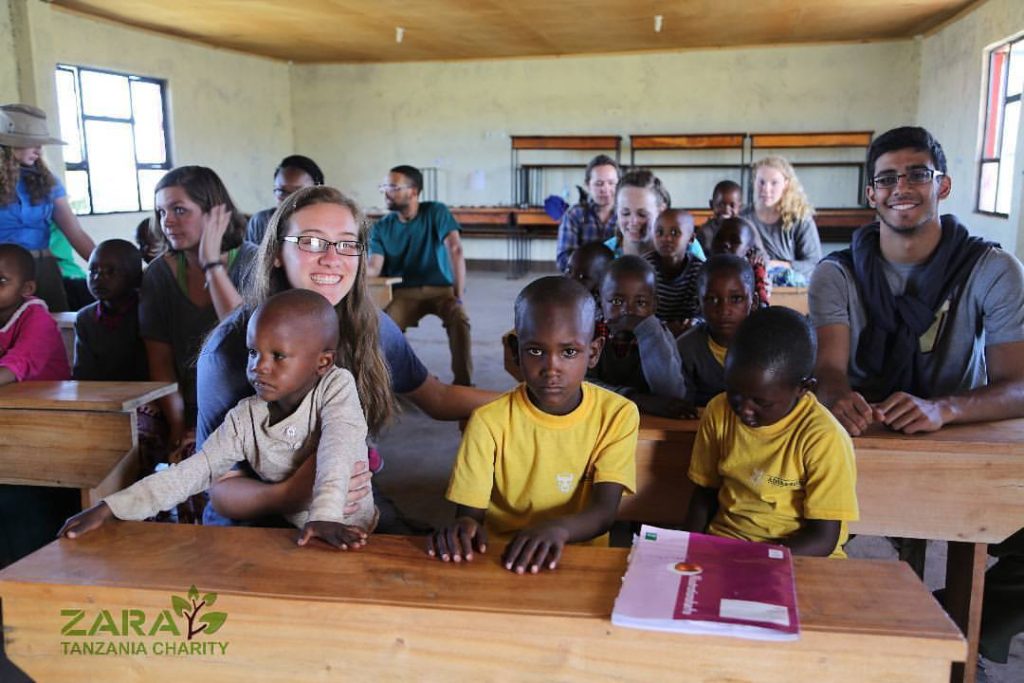
Donations fund training sessions, starter materials, group facilitation and small enterprise support. They also cover the quiet costs of follow-up visits and mentoring that keep women on track.
Transparent use of funds builds trust. Supporters can see how gifts translate into skills and income activities. Questions are welcome at any time through the contact us page.
Common questions about programs and giving appear in the FAQs. Reading them first often saves time and clarifies how best to help.
Stop 09
Maasai Women Empowerment FAQs
What does Maasai women empowerment involve in practice?
It usually combines skills training, small enterprise support and women’s groups. The goal is steady income and stronger decision-making power.
Why focus on economic empowerment?
Income that women control often improves children’s nutrition, schooling and health. It also builds confidence and community voice.
Do programs respect Maasai culture?
Effective work builds on existing skills and community structures. It does not demand that women abandon their identity.
How long before results appear?
Some income activities start within months. Deeper changes in confidence and household decision-making usually take longer and need ongoing support.
Where can I see current work?
Visit the projects page or contact the team for the latest updates.
Stop 10 · Stand With Women
Support Maasai Women — Donate
Maasai women empowerment turns skills into income and income into stronger families. Your support funds training, groups and enterprise pathways that break cycles of poverty. Join the work today.
Support Maasai Women — Donate →

Maasai Women Empowerment: Breaking Cycles of Poverty
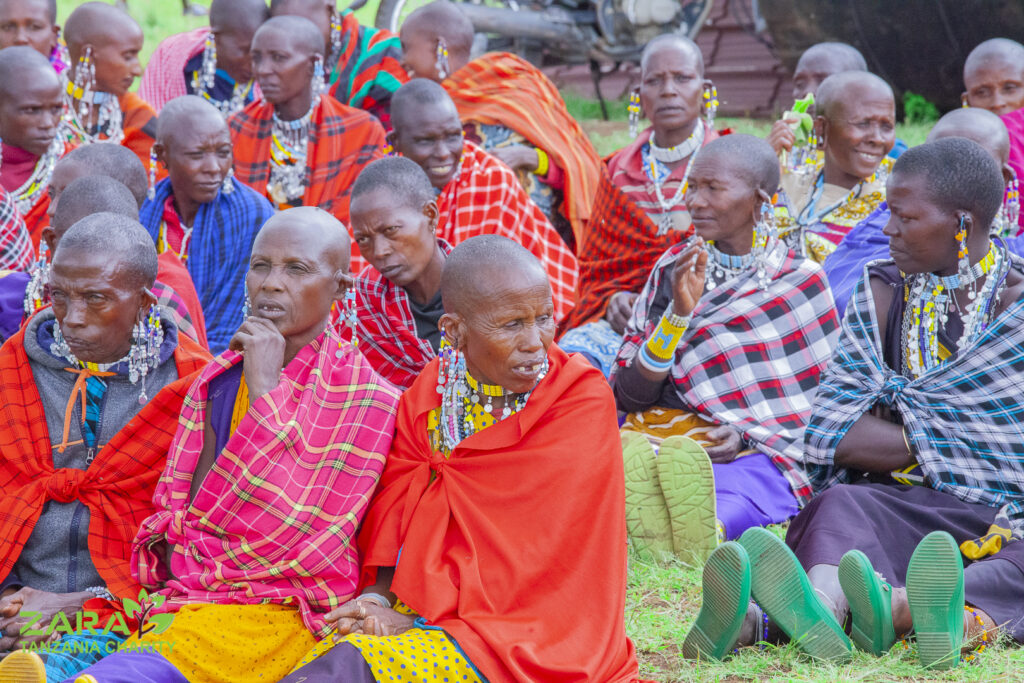
Maasai women empowerment creates lasting change. Skills training and small enterprise help women earn, decide and support their families. This guide explains the challenges and how economic empowerment works in practice.
Women economic empowerment Tanzania
Real pathways out of poverty
Maasai Women Empowerment: A Clear Starting Point
Maasai women empowerment is about more than single projects. It is about giving women practical skills, income options and a stronger voice in daily decisions. When women earn and manage money, families often see better food, schooling and health.
Women economic empowerment Tanzania programs work best when they respect culture and build on existing strengths. Maasai women already manage households and resources under difficult conditions. Training and small capital help them turn that capacity into steady income.
Zara Tanzania Charity supports this kind of practical work. You can learn about the wider mission on our about us page and meet the vision behind it on the our founder page.
Challenges Maasai Women Face
Many Maasai women live in areas where formal jobs are scarce. Livestock and small farming remain central. Drought, market distance and limited credit make income insecure.
Education gaps from earlier years can limit options. Some women did not complete school. Others left early because of family duties or marriage. Restarting learning as an adult takes courage and support.
Decision-making power inside households and communities varies. When women have little say over money or assets, even hard work may not improve their long-term security.
These challenges are real. They are also changeable. Targeted skills and group support have already helped many women move forward.
Why Women Economic Empowerment Tanzania Matters
Income in a woman’s hands is often spent on children first. Food, school costs and basic healthcare rise. This pattern appears across many studies and local observations.
Economic power also builds confidence. Women who earn and save take part more fully in family and group decisions. The effect spreads beyond the individual.
For communities, wider female participation in enterprise strengthens local markets. Products and services improve. Young people see new role models.
Maasai women empowerment therefore serves both fairness and practical development. It addresses gender poverty Tanzania patterns at their root.
Skills Training That Supports Maasai Women
Effective training is short, practical and linked to real markets. Tailoring, beadwork, food processing, basic bookkeeping and livestock management are common starting points.
Training works best when it respects existing knowledge. Many women already have craft or farming skills. Programs that upgrade those skills and add business basics see stronger results.
Follow-up support matters as much as the first course. Mentoring, group meetings and small seed funds help women apply what they learned. Without that bridge, skills can fade.
Current training and group activities are described on our projects page.
Maasai Entrepreneurship in Practice
Small enterprises look different in each place. Some women sell milk or handicrafts. Others run small shops, catering or livestock trading. The common thread is control over a modest income stream.
Access to markets is often the hardest step. Transport costs and middlemen can reduce profits. Group marketing and simple value addition help women keep more of the final price.
Savings groups and small loans, when run transparently, give women capital without heavy risk. Many prefer to start very small and grow only when the activity proves stable.
Maasai entrepreneurship is not about large factories. It is about reliable daily and weekly income that a woman can manage herself.
Market linkages remain a key gap. A woman may produce good beadwork or processed food yet struggle to reach buyers who pay fair prices. Support that connects groups to reliable outlets multiplies the value of training.
Record keeping, even at a simple level, helps women track profit and plan. Many programs now include basic numeracy and record skills alongside the core craft or farming training.
Women’s Groups as a Support Structure
Groups provide more than training venues. They offer peer encouragement, shared transport to markets and collective savings. Isolation decreases. Confidence grows.
Well-run groups also give women a collective voice. They can negotiate better prices or request services from local authorities. Individual requests are easier to ignore; group requests carry more weight.
Not every group succeeds. Clear rules, trusted leadership and regular meetings improve the odds. External support that strengthens these basics is often more useful than one-off gifts.
Outcomes for Women and Families
When Maasai women empowerment programs work, several changes appear. Women report more say over household spending. Children stay in school longer. Food variety at home improves.
Some women reinvest in livestock or expand their small business. Others use earnings to cover health costs that previously went unpaid. The exact path differs, yet the direction is consistent.
These outcomes take time. A single training week is rarely enough. Steady support over months and years produces the deeper shifts that break poverty cycles.
Men in the community can become allies when they see household benefits. Programs that communicate openly and avoid confrontation tend to gain wider acceptance over time.
Younger women especially respond to visible role models. When one member of a group succeeds, others gain the confidence to try. Peer example is a powerful teacher.
How Your Support Strengthens Maasai Women Empowerment
Donations fund training sessions, starter materials, group facilitation and small enterprise support. They also cover the quiet costs of follow-up visits and mentoring that keep women on track.
Transparent use of funds builds trust. Supporters can see how gifts translate into skills and income activities. Questions are welcome at any time through the contact us page.
Common questions about programs and giving appear in the FAQs. Reading them first often saves time and clarifies how best to help.
Maasai Women Empowerment FAQs
What does Maasai women empowerment involve in practice?
It usually combines skills training, small enterprise support and women’s groups. The goal is steady income and stronger decision-making power.
Why focus on economic empowerment?
Income that women control often improves children’s nutrition, schooling and health. It also builds confidence and community voice.
Do programs respect Maasai culture?
Effective work builds on existing skills and community structures. It does not demand that women abandon their identity.
How long before results appear?
Some income activities start within months. Deeper changes in confidence and household decision-making usually take longer and need ongoing support.
Where can I see current work?
Visit the projects page or contact the team for the latest updates.
Support Maasai Women — Donate
Maasai women empowerment turns skills into income and income into stronger families. Your support funds training, groups and enterprise pathways that break cycles of poverty. Join the work today.
Support Maasai Women — Donate →
Share This:
Dev
Related Posts
Environment Moshi: Challenges & Community Action Cause Awareness Environment Moshi: Challenges Facing the Kilimanjaro Region…
Orphan Support Africa: Vulnerable Children in Tanzania Cause Awareness Orphan Support Africa: What Happens to…
Maasai Women Empowerment: Breaking Poverty Cycles Cause Awareness Maasai Women Empowerment: Breaking Cycles of Poverty…
Education Tanzania: Why Rural Children Miss School Cause Awareness Education Tanzania: Why Rural Children Still…
Kilimanjaro Porters: Hidden Struggles Every Climber Should Know Porter Welfare Guide Kilimanjaro Porters: The Hidden…
Poverty in Tanzania: Real Data, Causes & What’s Being Done Cause Awareness Poverty in Tanzania:…
Meet the Team Behind Zara Tanzania Charity Behind every successful community programme in Tanzania stand…
How to Vet a Charity Before You Donate: A Practical Checklist Donating to a cause…
ZARA Tanzania Charity Our 2026 Impact Report: What We Achieved This Year, By the Numbers…
Meet the Team: The People Behind Zara Tanzania Charity Meaningful community work is, at its…