Every day, thousands of people around the world feel the urge to give — to do something meaningful, to make a difference in a life they may never directly see. If you are thinking about donating to a charity in Tanzania, that instinct is beautiful. But good intentions are not enough. The right donation, to the right organisation, given in the right way, can change generations. The wrong one can go to waste.
So before you open your wallet, ask these 10 essential questions. They will help you give with confidence — and by the end, you will see exactly why becoming a monthly donor with Zara Charity Tanzania might be the most impactful decision you make this year.
1: Is the Organisation Registered and Legitimate?
The first thing to verify is whether the charity is formally registered. In Tanzania, legitimate nonprofits are registered with the relevant government authorities. Unregistered organisations may lack accountability structures, meaning your money could be misused with no legal recourse.
Zara Charity Tanzania: Yes. Zara Charity Tanzania is a registered nonprofit organisation operating in Tanzania, with a verifiable online presence, documented projects, and a named founder — Zainab Ansel. You can visit zaratanzaniacharity.org to verify their work directly.
2: Can I See Where My Money Actually Goes?
Transparency is the cornerstone of trustworthy giving. A reputable charity should be able to show you exactly how donations are allocated — how much goes to programmes, how much to administration, and how much to fundraising.
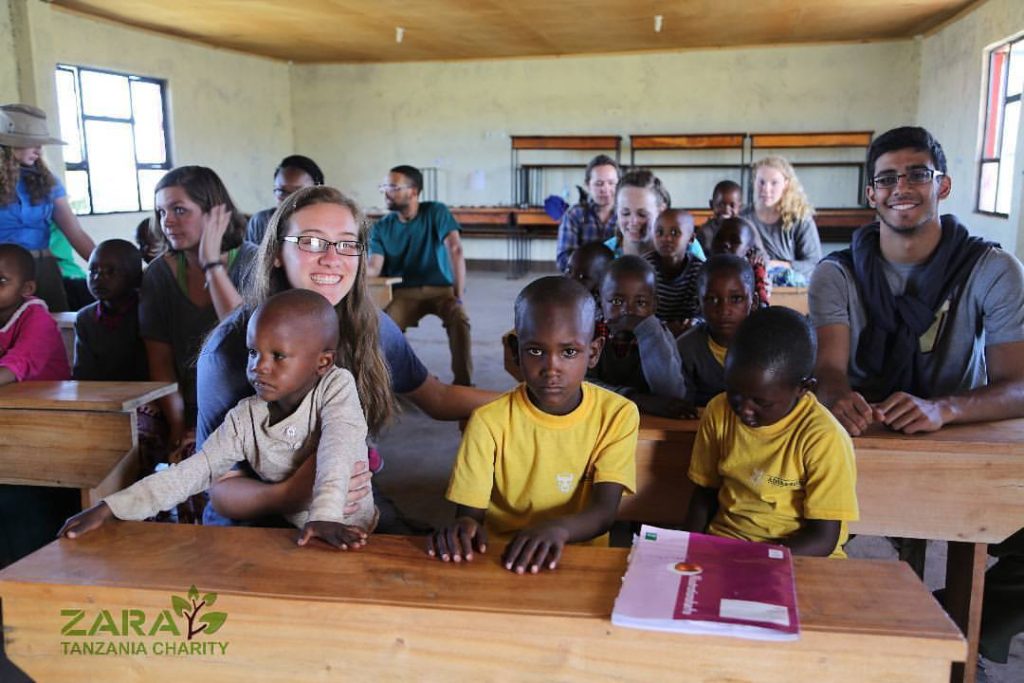
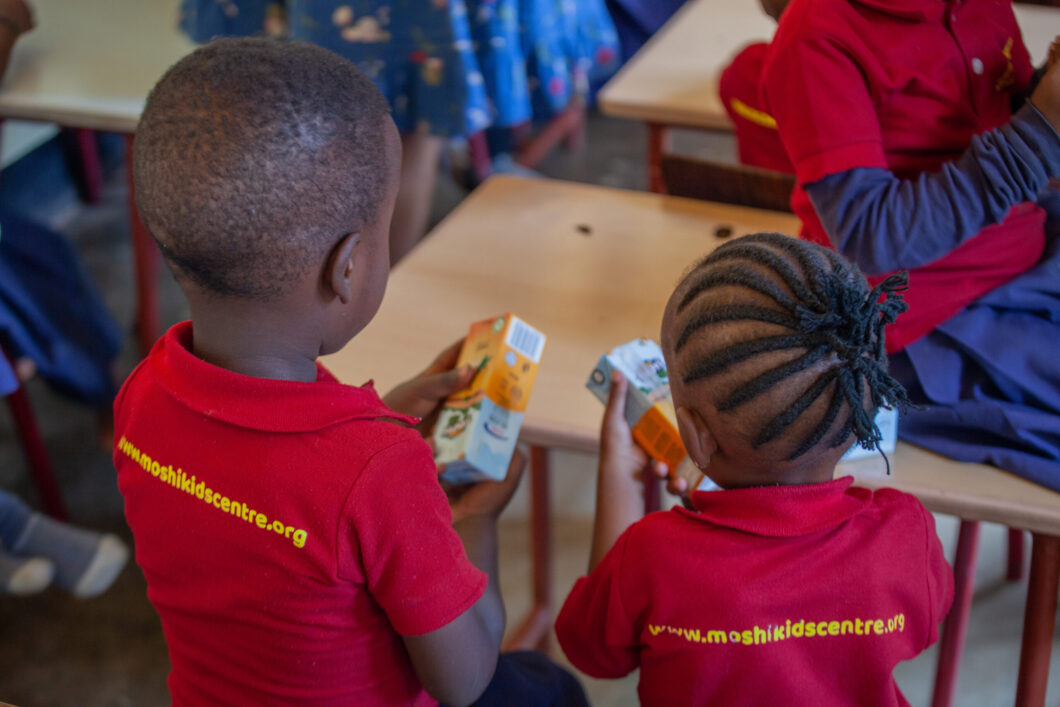
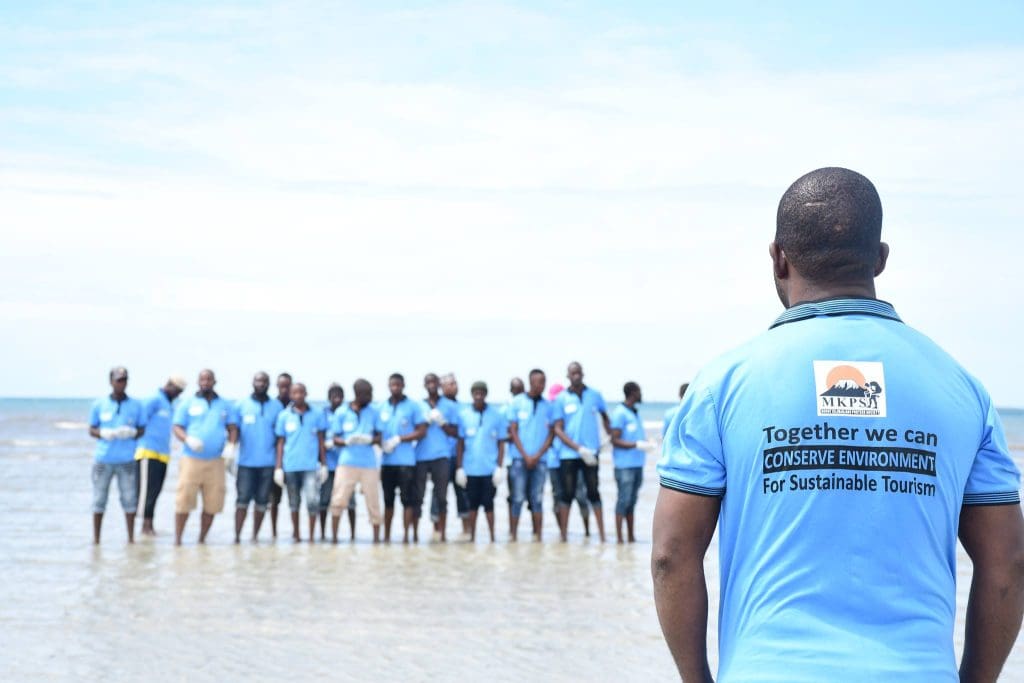
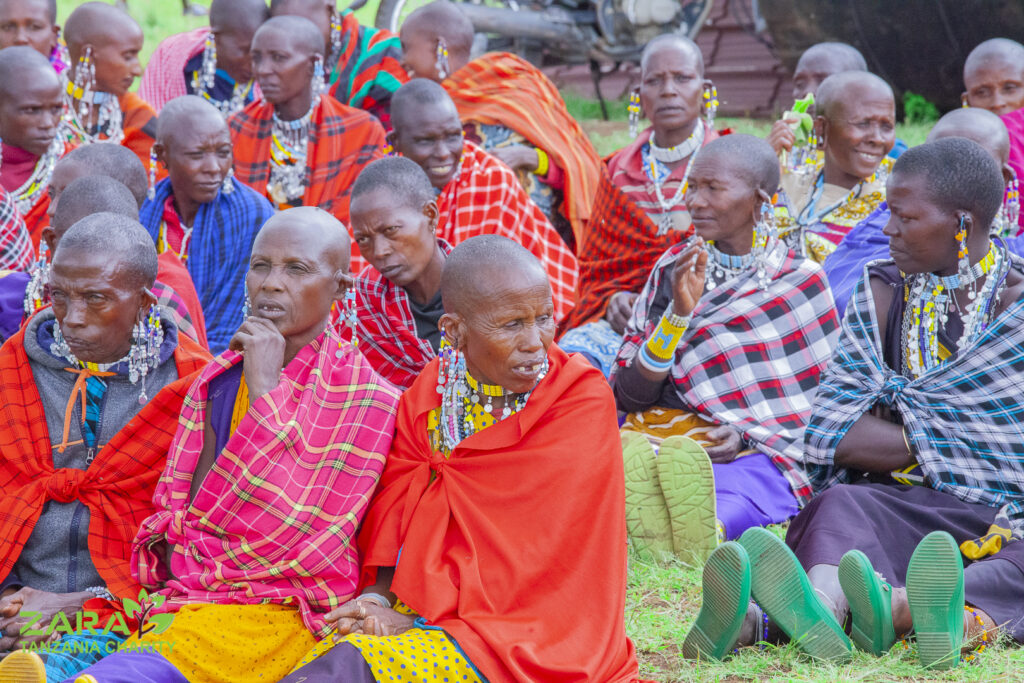
Zara Charity Tanzania: Zara Charity openly documents its projects on their website, from building classrooms at Moshi Kids Centre to supporting Maasai women and cleaning Tanzania’s Indian Ocean coastline. Their project pages, gallery, and blog provide real evidence of real impact.
3: Does the Charity Work Directly With Communities?
Some charities operate from a distance, outsourcing their work to third parties with little community involvement. The most effective organisations are embedded in the communities they serve — listening to local needs, hiring local people, and building locally-owned solutions.
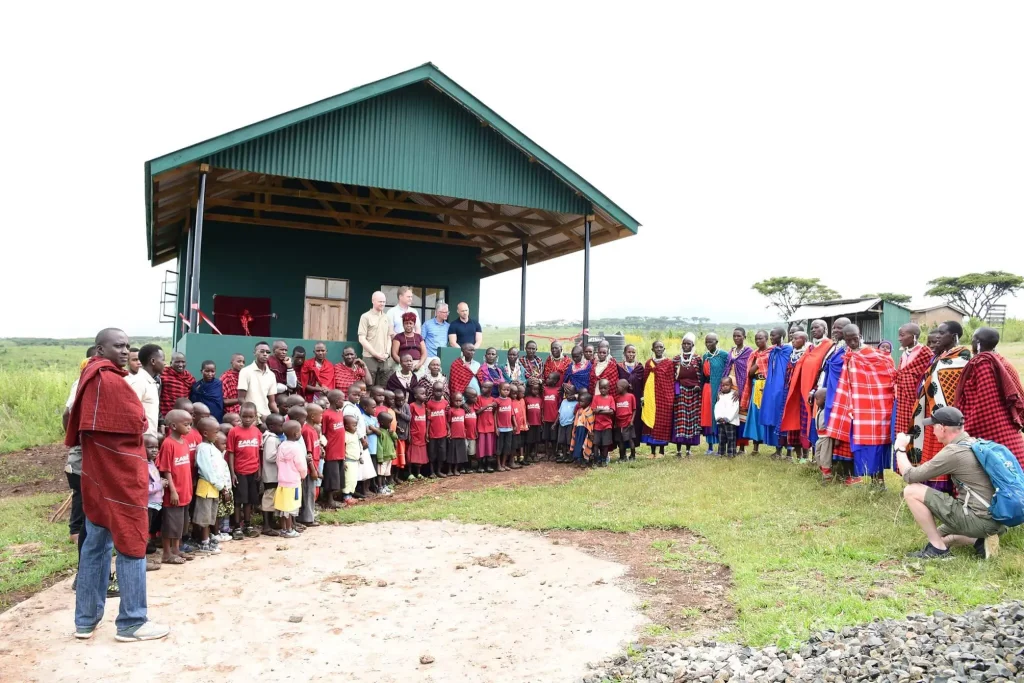
Zara Charity Tanzania: Zara Charity was born in Tanzania and operates on the ground in places like the Ngorongoro Conservation Area, Moshi, and coastal communities. Their programmes — from the Maasai Pre-School to the Asali Project — are designed with and for the communities they serve.
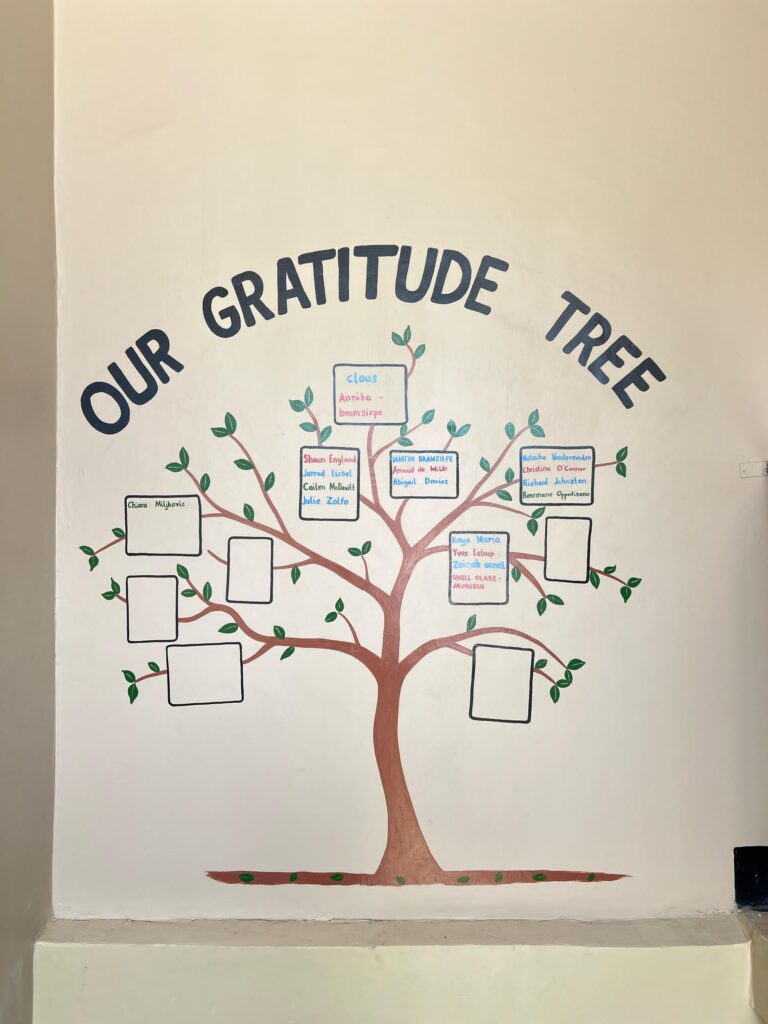
4: What Is the Long-Term Impact of the Work?
One-off interventions — a bag of rice here, a blanket drive there — can help in the short term but rarely transform lives. Ask whether the charity is building lasting change: skills, infrastructure, education, and economic independence.
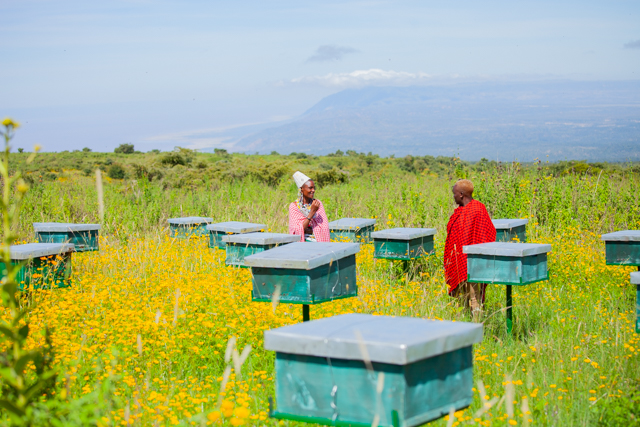
Zara Charity Tanzania: Every Zara Charity project is built for long-term impact. Classrooms outlast any single donation. Empowered women raise empowered children. Trees planted today protect communities for decades. The Asali Project creates sustainable income, not temporary relief.
5: Who Leads the Organisation?
Leadership matters. A charity led by someone with genuine passion, local knowledge, and personal accountability is far more likely to deliver on its promises than one run by distant executives with no stake in the outcomes.
Zara Charity Tanzania: Founder Zainab Ansel leads Zara Charity with a personal commitment to positive change in Tanzania. She is publicly named, publicly visible, and has dedicated years of her life to this cause. Her message to donors is direct and heartfelt: every contribution has a real face and a real story behind it.
6: Does the Charity Respect Local Culture?
Some well-intentioned charities cause harm by imposing outside values or disrupting cultural practices. In Tanzania — home to over 120 ethnic groups including the Maasai — cultural sensitivity is not optional. It is essential.
Zara Charity Tanzania: Cultural respect is woven into everything Zara Charity does. The Asali Project preserves Maasai beekeeping traditions while creating modern economic opportunity.
The Ngorongoro Pre-School was opened in partnership with the local Maasai community, not imposed upon it. This is development done right.
7: How Does the Charity Handle Donations?
Look for secure, traceable payment platforms. Be wary of charities that only accept cash or informal transfers with no receipt or acknowledgement.
Zara Charity Tanzania: Zara Charity accepts donations through GoFundMe — one of the world’s most trusted and transparent fundraising platforms. Every contribution is processed securely and goes directly toward funding their programmes.
8: Can I See Real Stories and Real Results?
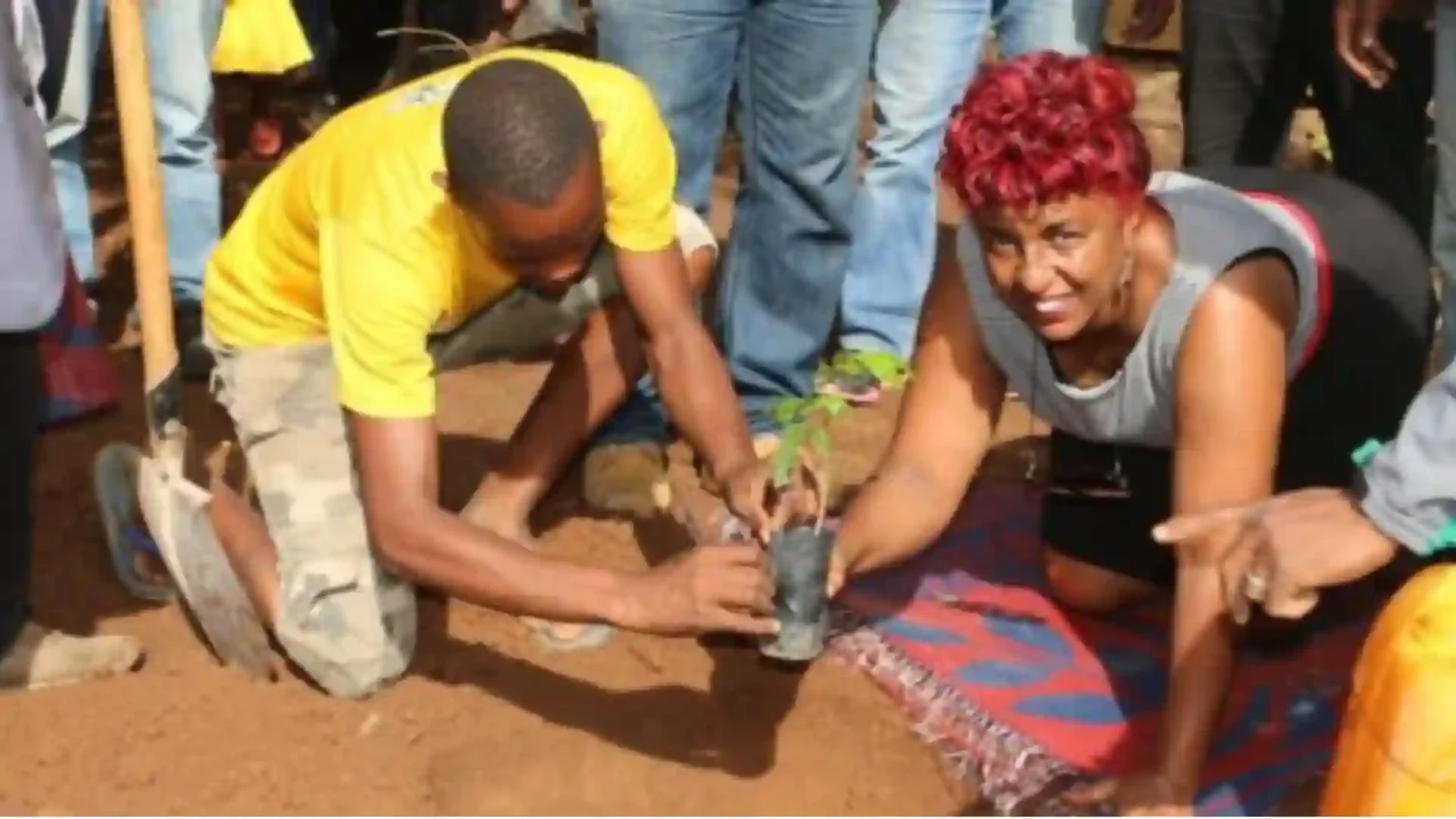
Numbers matter, but stories matter more. Can the charity show you real people whose lives have changed? Real classrooms built? Real trees planted? If a charity cannot point to tangible proof of impact, that is a warning sign.
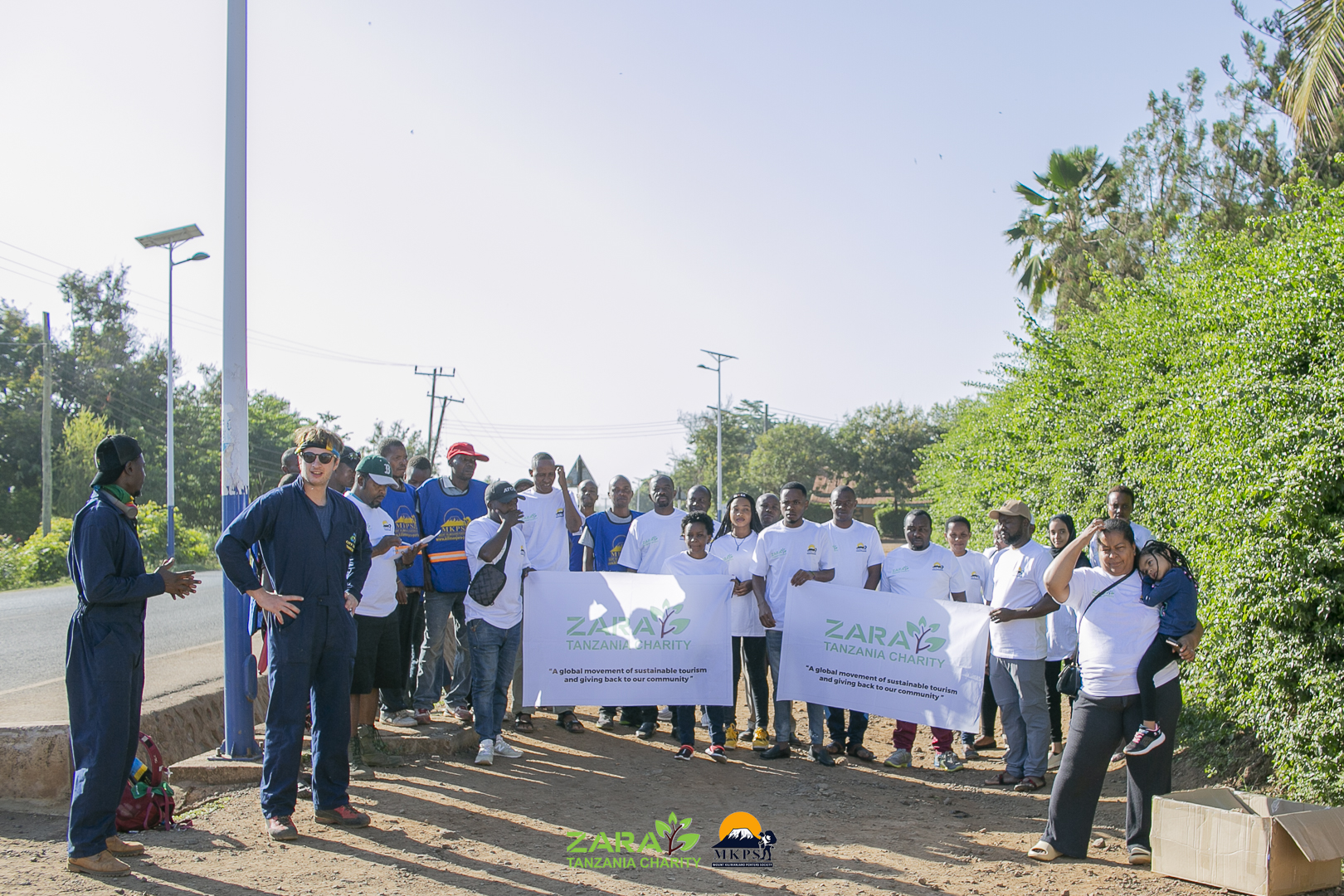
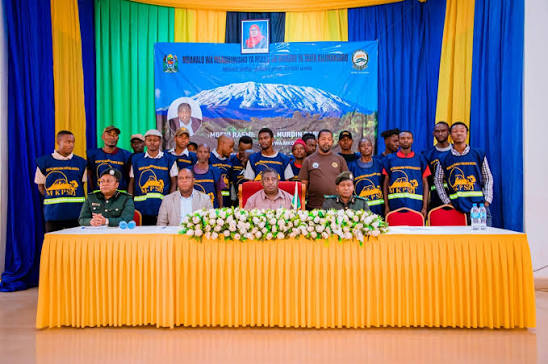
Zara Charity Tanzania: Zara Charity’s blog, gallery, and project pages are full of real stories — from the children at Moshi Kids Centre to the Kilimanjaro porters receiving better support. Their social media channels on Facebook, Instagram, and YouTube bring these stories to life every week.
9: Does the Charity Welcome Volunteers?
An organisation that welcomes volunteers is one that values people as well as money. Volunteering programmes also allow donors to witness impact first-hand — building trust and deeper connection to the cause.
Zara Charity Tanzania: Yes — Zara Charity actively invites volunteers to join their work in Tanzania. Through their partnership with Volunteers Tanzania, you can contribute your time, skills, and energy directly on the ground. Visit zaratanzaniacharity.org/become-a-volunteer/ to find out more.

10: Can I Give Regularly — And Why Does It Matter?
This is perhaps the most important question of all. One-time donations are welcome, but they create uncertainty for charities that need to plan, hire staff, and sustain programmes month after month. Regular, monthly giving is the lifeblood of an effective nonprofit.
When you become a monthly donor, you give a charity the ability to:
- Plan and budget for long-term projects with confidence
- Hire and retain skilled local staff
- Respond quickly to community needs without fundraising delays
- Focus on impact — not constantly chasing the next donation
Zara Charity Tanzania: Yes — and they need monthly donors like you. A consistent gift of even $10, $20, or $30 per month can fund a child’s school supplies, support a woman’s training programme, or plant dozens of trees. Monthly giving is simple, flexible, and transformative
Why Becoming a Monthly Donor Is the Best Gift You Can Give
A one-time donation is a spark. A monthly donation is a fire that keeps burning.
Think about it this way: if 100 people each give $20 a month to Zara Charity Tanzania, that is $2,000 every single month — $24,000 a year — flowing steadily into education, women empowerment, environmental conservation, and community development. That is not just help. That is transformation.
Monthly donors are the heroes behind the scenes. They are the reason a teacher can be paid on time. They are the reason a little girl gets to stay in school. They are the reason a Maasai woman can start her own business. They are the reason Tanzania’s coastline is a little cleaner today than it was yesterday.
And the best part? You can start for the price of a cup of coffee a day.


Every day, thousands of people around the world feel the urge to give — to do something meaningful, to make a difference in a life they may never directly see. If you are thinking about donating to a charity in Tanzania, that instinct is beautiful. But good intentions are not enough. The right donation, to the right organisation, given in the right way, can change generations. The wrong one can go to waste.
So before you open your wallet, ask these 10 essential questions. They will help you give with confidence — and by the end, you will see exactly why becoming a monthly donor with Zara Charity Tanzania might be the most impactful decision you make this year.
1: Is the Organisation Registered and Legitimate?
The first thing to verify is whether the charity is formally registered. In Tanzania, legitimate nonprofits are registered with the relevant government authorities. Unregistered organisations may lack accountability structures, meaning your money could be misused with no legal recourse.
Zara Charity Tanzania: Yes. Zara Charity Tanzania is a registered nonprofit organisation operating in Tanzania, with a verifiable online presence, documented projects, and a named founder — Zainab Ansel. You can visit zaratanzaniacharity.org to verify their work directly.
2: Can I See Where My Money Actually Goes?
Transparency is the cornerstone of trustworthy giving. A reputable charity should be able to show you exactly how donations are allocated — how much goes to programmes, how much to administration, and how much to fundraising.
Zara Charity Tanzania: Zara Charity openly documents its projects on their website, from building classrooms at Moshi Kids Centre to supporting Maasai women and cleaning Tanzania’s Indian Ocean coastline. Their project pages, gallery, and blog provide real evidence of real impact.
3: Does the Charity Work Directly With Communities?
Some charities operate from a distance, outsourcing their work to third parties with little community involvement. The most effective organisations are embedded in the communities they serve — listening to local needs, hiring local people, and building locally-owned solutions.
Zara Charity Tanzania: Zara Charity was born in Tanzania and operates on the ground in places like the Ngorongoro Conservation Area, Moshi, and coastal communities. Their programmes — from the Maasai Pre-School to the Asali Project — are designed with and for the communities they serve.
4: What Is the Long-Term Impact of the Work?
One-off interventions — a bag of rice here, a blanket drive there — can help in the short term but rarely transform lives. Ask whether the charity is building lasting change: skills, infrastructure, education, and economic independence.
Zara Charity Tanzania: Every Zara Charity project is built for long-term impact. Classrooms outlast any single donation. Empowered women raise empowered children. Trees planted today protect communities for decades. The Asali Project creates sustainable income, not temporary relief.
5: Who Leads the Organisation?
Leadership matters. A charity led by someone with genuine passion, local knowledge, and personal accountability is far more likely to deliver on its promises than one run by distant executives with no stake in the outcomes.
Zara Charity Tanzania: Founder Zainab Ansel leads Zara Charity with a personal commitment to positive change in Tanzania. She is publicly named, publicly visible, and has dedicated years of her life to this cause. Her message to donors is direct and heartfelt: every contribution has a real face and a real story behind it.
6: Does the Charity Respect Local Culture?
Some well-intentioned charities cause harm by imposing outside values or disrupting cultural practices. In Tanzania — home to over 120 ethnic groups including the Maasai — cultural sensitivity is not optional. It is essential.
Zara Charity Tanzania: Cultural respect is woven into everything Zara Charity does. The Asali Project preserves Maasai beekeeping traditions while creating modern economic opportunity.
The Ngorongoro Pre-School was opened in partnership with the local Maasai community, not imposed upon it. This is development done right.
7: How Does the Charity Handle Donations?
Look for secure, traceable payment platforms. Be wary of charities that only accept cash or informal transfers with no receipt or acknowledgement.
Zara Charity Tanzania: Zara Charity accepts donations through GoFundMe — one of the world’s most trusted and transparent fundraising platforms. Every contribution is processed securely and goes directly toward funding their programmes.
8: Can I See Real Stories and Real Results?
Numbers matter, but stories matter more. Can the charity show you real people whose lives have changed? Real classrooms built? Real trees planted? If a charity cannot point to tangible proof of impact, that is a warning sign.
Zara Charity Tanzania: Zara Charity’s blog, gallery, and project pages are full of real stories — from the children at Moshi Kids Centre to the Kilimanjaro porters receiving better support. Their social media channels on Facebook, Instagram, and YouTube bring these stories to life every week.
9: Does the Charity Welcome Volunteers?
An organisation that welcomes volunteers is one that values people as well as money. Volunteering programmes also allow donors to witness impact first-hand — building trust and deeper connection to the cause.
Zara Charity Tanzania: Yes — Zara Charity actively invites volunteers to join their work in Tanzania. Through their partnership with Volunteers Tanzania, you can contribute your time, skills, and energy directly on the ground. Visit zaratanzaniacharity.org/become-a-volunteer/ to find out more.
10: Can I Give Regularly — And Why Does It Matter?
This is perhaps the most important question of all. One-time donations are welcome, but they create uncertainty for charities that need to plan, hire staff, and sustain programmes month after month. Regular, monthly giving is the lifeblood of an effective nonprofit.
When you become a monthly donor, you give a charity the ability to:
Zara Charity Tanzania: Yes — and they need monthly donors like you. A consistent gift of even $10, $20, or $30 per month can fund a child’s school supplies, support a woman’s training programme, or plant dozens of trees. Monthly giving is simple, flexible, and transformative
Why Becoming a Monthly Donor Is the Best Gift You Can Give
A one-time donation is a spark. A monthly donation is a fire that keeps burning.
Think about it this way: if 100 people each give $20 a month to Zara Charity Tanzania, that is $2,000 every single month — $24,000 a year — flowing steadily into education, women empowerment, environmental conservation, and community development. That is not just help. That is transformation.
Monthly donors are the heroes behind the scenes. They are the reason a teacher can be paid on time. They are the reason a little girl gets to stay in school. They are the reason a Maasai woman can start her own business. They are the reason Tanzania’s coastline is a little cleaner today than it was yesterday.
And the best part? You can start for the price of a cup of coffee a day.
Share This:
Boston
Related Posts
Environment Moshi: Challenges & Community Action Cause Awareness Environment Moshi: Challenges Facing the Kilimanjaro Region…
Orphan Support Africa: Vulnerable Children in Tanzania Cause Awareness Orphan Support Africa: What Happens to…
Maasai Women Empowerment: Breaking Poverty Cycles Cause Awareness Maasai Women Empowerment: Breaking Cycles of Poverty…
Education Tanzania: Why Rural Children Miss School Cause Awareness Education Tanzania: Why Rural Children Still…
Kilimanjaro Porters: Hidden Struggles Every Climber Should Know Porter Welfare Guide Kilimanjaro Porters: The Hidden…
Poverty in Tanzania: Real Data, Causes & What’s Being Done Cause Awareness Poverty in Tanzania:…
Meet the Team Behind Zara Tanzania Charity Behind every successful community programme in Tanzania stand…
How to Vet a Charity Before You Donate: A Practical Checklist Donating to a cause…
ZARA Tanzania Charity Our 2026 Impact Report: What We Achieved This Year, By the Numbers…
Meet the Team: The People Behind Zara Tanzania Charity Meaningful community work is, at its…