Tanzania’s Environmental Challenge
Tanzania is losing its forests at an alarming rate. In 2020, Tanzania had 28 million hectares of natural forest, but the country lost 270,000 hectares of natural forest in a single year, equivalent to 97 million tonnes of CO₂ emissions. This isn’t just about numbers—it’s about communities facing water scarcity, farmers watching their soil erode, and children growing up without the shade and shelter that forests once provided.
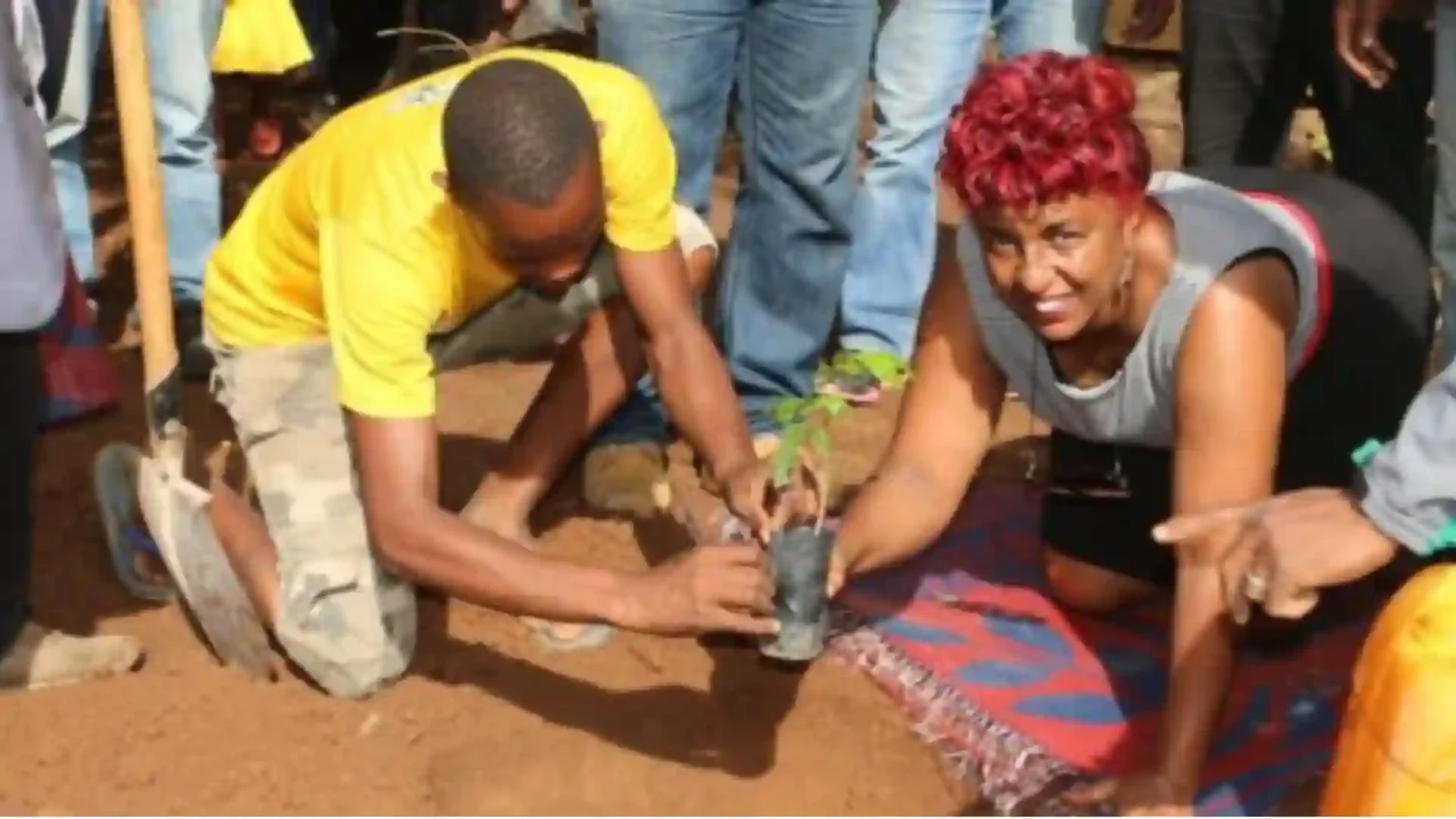
At Zara Charity Tanzania, we launched our tree planting initiative in 2019 because we understood a fundamental truth: you cannot educate hungry children in communities struggling with environmental collapse. Education and environmental conservation are inseparable. Today, we’ve planted over 5,000 trees across Kilimanjaro Region, with survival rates exceeding 75%

Why Tree Planting Matters in Tanzania
Water Security
Trees are nature’s water managers. In communities where we’ve planted trees along water sources, families report more consistent water availability throughout dry seasons. The Usambara mountains are part of a critical watershed for the 5.5 million people living in Dar es Salaam. At Moshi Kids Centre, our tree planting around the school’s water catchment has reduced water shortages by approximately 40%.
Climate Regulation
Every mature tree absorbs approximately 22 kilograms of CO₂ annually. Our 5,000 trees will eventually sequester 110,000 kilograms of carbon dioxide each year—offsetting the emissions of 24 average cars. But trees do more than absorb carbon. They moderate temperature, increase humidity, and stabilize local weather patterns. Farmers near our planting sites report temperature drops of 2-3 degrees Celsius in areas with dense tree cover.
Soil Conservation
In Tanzania’s steep Kilimanjaro Region, soil erosion is devastating. Tree roots bind soil, preventing erosion and creating conditions for healthy agriculture. Community members near our tree planting sites report 50-60% reductions in soil loss during rainy seasons. One farmer told us: ‘Before the trees, the rain was my enemy. Now, it’s my friend again.’
Economic Benefits
Trees provide direct economic value. The fruit trees we plant—avocado, mango, papaya—produce food for families and surplus for sale. Our agroforestry approach integrates trees with crops, increasing overall farm productivity by 30-40% within five years. One community calculates that trees planted five years ago now contribute approximately 200,000 Tanzanian Shillings ($85) per household annually.
Zara Charity’s 2019 Tree Planting Campaign
Planning and Community Engagement
We didn’t just show up with seedlings. We spent three months meeting with community leaders, farmers, and elders to understand local needs, identify appropriate species, and secure genuine buy-in. This consultation meant that when planting began, the community was invested.
Species Selection
We planted native species adapted to local conditions: Grevillea robusta (fast-growing, excellent for timber), fruit trees (avocado, mango, papaya), Moringa (nutritious leaves, drought-resistant), and indigenous species supporting biodiversity. This diversity ensures ecosystem resilience.
Community Participation
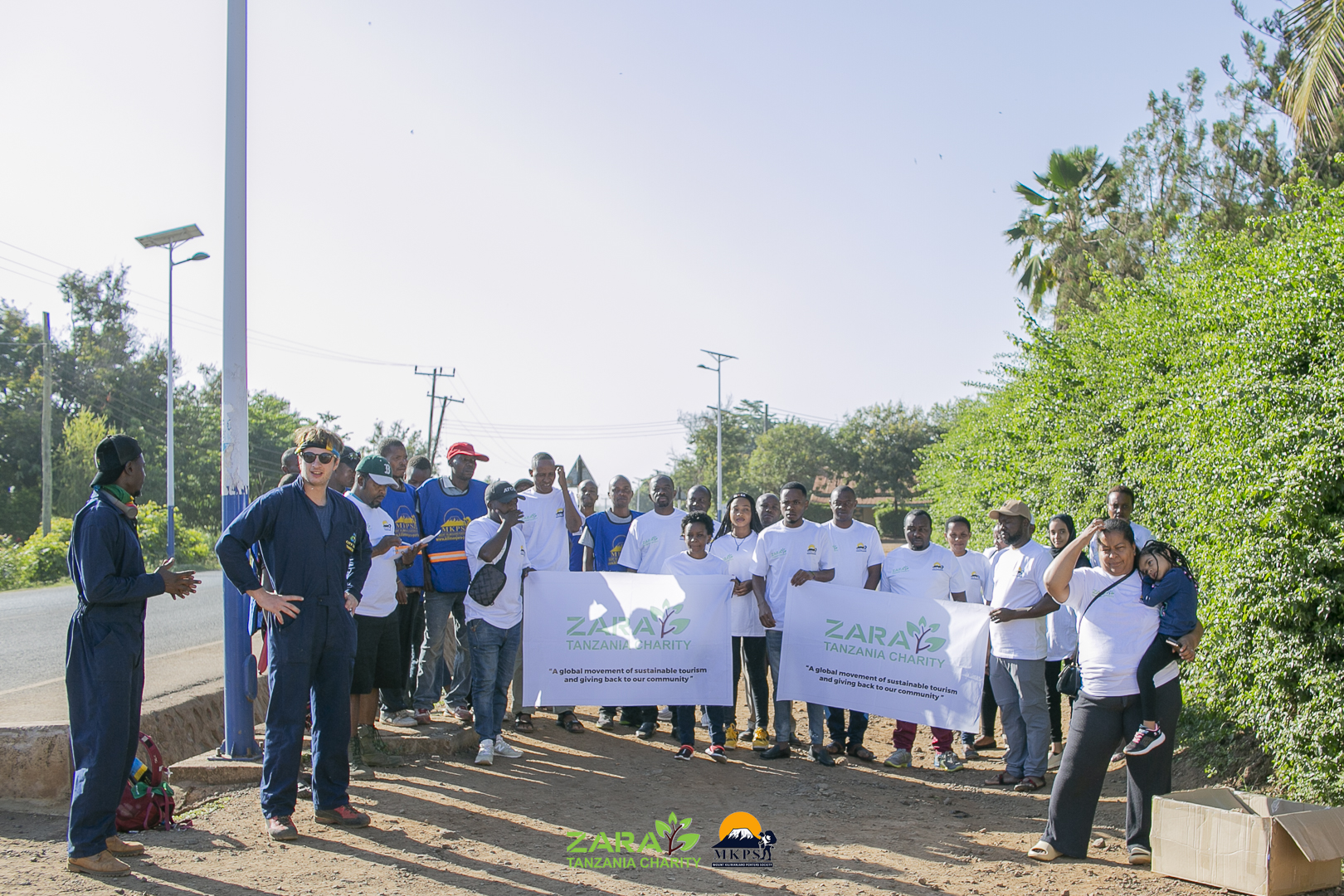
Rather than hiring outside labor, we employed 30 community members for nursery work, site preparation, and planting. Youth groups received training in tree care and monitoring. Schools integrated environmental education into curricula, with students adopting and caring for trees. This wasn’t charity imposed from outside—it was community-driven restoration.
Survival and Growth
Tree planting projects often fail because nobody monitors or maintains young trees. We implemented a three-year care protocol with monthly monitoring for the first year, quarterly monitoring for years 2-3, and community tree guardians paid small stipends. Result: 78% survival rate after three years—significantly above typical rates of 40-50%.
Long-term Benefits We’re Seeing Today
Six years later, the impact is visible: Water sources near tree plantings show 35% increased flow during dry seasons. Soil erosion reduced by 55% in planting areas. Fifteen different bird species returned to previously bare areas. Farmers report 30% yield increases on farms with integrated trees. Community pride and environmental awareness have increased dramatically.

The Education-Environment Connection
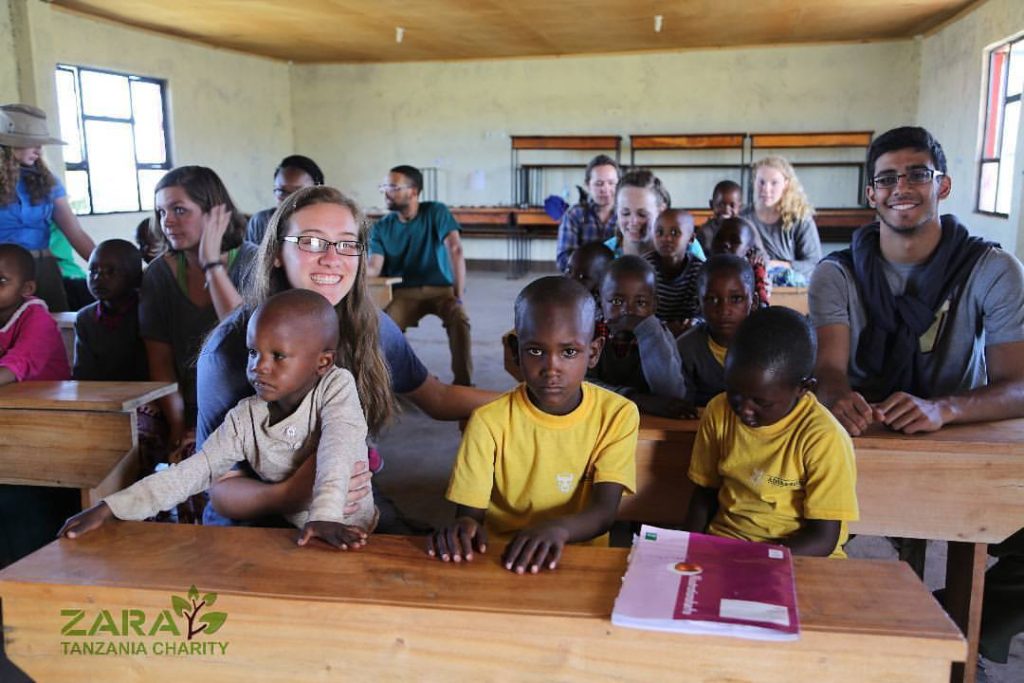
At schools where we’ve planted trees, we observe multiple benefits: Trees provide shade for outdoor classes—temperature in shaded areas is 3-5 degrees cooler. School fruit trees supplement feeding programs. Students learn biology and ecology through direct engagement with trees they’ve planted. School tree planting brings parents and community members to campus, strengthening relationships.
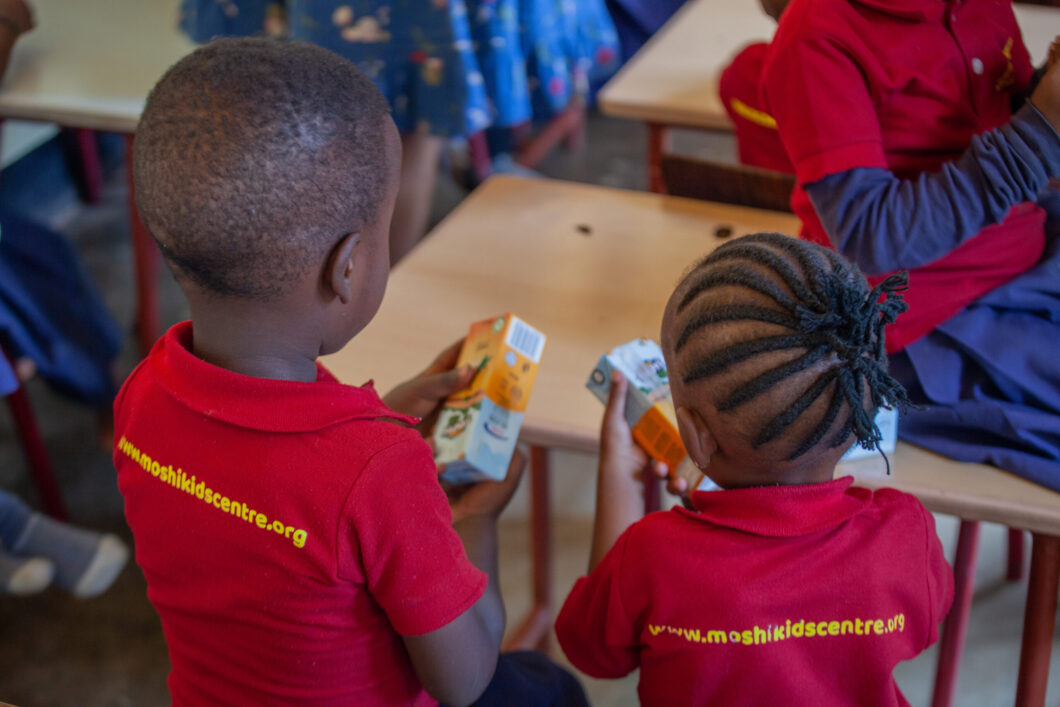
Students at Moshi Kids Centre now harvest mangoes, avocados, and papayas, adding vital nutrients to school meals while learning about environmental stewardship.
How You Can Support Tree Planting
Direct Sponsorship:
$5: One tree planted, including care and monitoring • $50: Ten trees creating immediate impact • $250: Fifty trees—enough to reforest one acre • $500: One hundred trees plus community training • $2,500: Five hundred trees transforming an entire area
Volunteer:
Join us for planting events during rainy seasons (March-May, November-December). Volunteers participate in planting, learn about local ecology, and connect with communities.
Spread Awareness:
Share information about Tanzania’s deforestation crisis and reforestation solutions. Environmental action requires global awareness and support.

The Challenge Ahead
It is estimated that the world loses approximately 15 billion trees each year. Tanzania alone needs millions of trees to restore degraded landscapes and protect communities from climate impacts.
At Zara Charity Tanzania, we’re expanding our tree planting program with goals to plant 50,000 trees by 2028. This requires $250,000 in funding—but the returns are incalculable. These trees will sequester 1.1 million kilograms of CO₂ annually when mature, provide water security for 10,000+ people, generate economic benefits worth millions of shillings, create habitat for countless species, and educate thousands of students about environmental stewardship.
Your Legacy Grows Here
When you plant a tree, you’re not just putting a seedling in the ground. You’re giving a community water security, a farmer productive soil, a child cleaner air, and future generations a livable planet.
The trees we plant today will provide shade for children not yet born, fruit for families facing food insecurity, and carbon sequestration fighting climate change for decades to come.
Every tree matters. Every tree makes a difference.
Plant a tree with us today. Watch your legacy grow in the forests of Tanzania.
Take Action
Donate: gofund.me/02b1396f
Volunteer: Email zara@zaracharitytanzania.org
Learn More: zaracharitytanzania.org/projects
Contact Zara Charity Tanzania
Email: zara@zaracharitytanzania.org
Phone/WhatsApp: +255 655 451 003
Website: www.zaracharitytanzania.org
Your tree. Your impact. Our future.



Tanzania’s Environmental Challenge
Tanzania is losing its forests at an alarming rate. In 2020, Tanzania had 28 million hectares of natural forest, but the country lost 270,000 hectares of natural forest in a single year, equivalent to 97 million tonnes of CO₂ emissions. This isn’t just about numbers—it’s about communities facing water scarcity, farmers watching their soil erode, and children growing up without the shade and shelter that forests once provided.
At Zara Charity Tanzania, we launched our tree planting initiative in 2019 because we understood a fundamental truth: you cannot educate hungry children in communities struggling with environmental collapse. Education and environmental conservation are inseparable. Today, we’ve planted over 5,000 trees across Kilimanjaro Region, with survival rates exceeding 75%
Why Tree Planting Matters in Tanzania
Water Security
Trees are nature’s water managers. In communities where we’ve planted trees along water sources, families report more consistent water availability throughout dry seasons. The Usambara mountains are part of a critical watershed for the 5.5 million people living in Dar es Salaam. At Moshi Kids Centre, our tree planting around the school’s water catchment has reduced water shortages by approximately 40%.
Climate Regulation
Every mature tree absorbs approximately 22 kilograms of CO₂ annually. Our 5,000 trees will eventually sequester 110,000 kilograms of carbon dioxide each year—offsetting the emissions of 24 average cars. But trees do more than absorb carbon. They moderate temperature, increase humidity, and stabilize local weather patterns. Farmers near our planting sites report temperature drops of 2-3 degrees Celsius in areas with dense tree cover.
Soil Conservation
In Tanzania’s steep Kilimanjaro Region, soil erosion is devastating. Tree roots bind soil, preventing erosion and creating conditions for healthy agriculture. Community members near our tree planting sites report 50-60% reductions in soil loss during rainy seasons. One farmer told us: ‘Before the trees, the rain was my enemy. Now, it’s my friend again.’
Economic Benefits
Trees provide direct economic value. The fruit trees we plant—avocado, mango, papaya—produce food for families and surplus for sale. Our agroforestry approach integrates trees with crops, increasing overall farm productivity by 30-40% within five years. One community calculates that trees planted five years ago now contribute approximately 200,000 Tanzanian Shillings ($85) per household annually.
Zara Charity’s 2019 Tree Planting Campaign
Planning and Community Engagement
We didn’t just show up with seedlings. We spent three months meeting with community leaders, farmers, and elders to understand local needs, identify appropriate species, and secure genuine buy-in. This consultation meant that when planting began, the community was invested.
Species Selection
We planted native species adapted to local conditions: Grevillea robusta (fast-growing, excellent for timber), fruit trees (avocado, mango, papaya), Moringa (nutritious leaves, drought-resistant), and indigenous species supporting biodiversity. This diversity ensures ecosystem resilience.
Community Participation
Rather than hiring outside labor, we employed 30 community members for nursery work, site preparation, and planting. Youth groups received training in tree care and monitoring. Schools integrated environmental education into curricula, with students adopting and caring for trees. This wasn’t charity imposed from outside—it was community-driven restoration.
Survival and Growth
Tree planting projects often fail because nobody monitors or maintains young trees. We implemented a three-year care protocol with monthly monitoring for the first year, quarterly monitoring for years 2-3, and community tree guardians paid small stipends. Result: 78% survival rate after three years—significantly above typical rates of 40-50%.
Long-term Benefits We’re Seeing Today
Six years later, the impact is visible: Water sources near tree plantings show 35% increased flow during dry seasons. Soil erosion reduced by 55% in planting areas. Fifteen different bird species returned to previously bare areas. Farmers report 30% yield increases on farms with integrated trees. Community pride and environmental awareness have increased dramatically.
The Education-Environment Connection
At schools where we’ve planted trees, we observe multiple benefits: Trees provide shade for outdoor classes—temperature in shaded areas is 3-5 degrees cooler. School fruit trees supplement feeding programs. Students learn biology and ecology through direct engagement with trees they’ve planted. School tree planting brings parents and community members to campus, strengthening relationships.
Students at Moshi Kids Centre now harvest mangoes, avocados, and papayas, adding vital nutrients to school meals while learning about environmental stewardship.
How You Can Support Tree Planting
Direct Sponsorship:
$5: One tree planted, including care and monitoring • $50: Ten trees creating immediate impact • $250: Fifty trees—enough to reforest one acre • $500: One hundred trees plus community training • $2,500: Five hundred trees transforming an entire area
Volunteer:
Join us for planting events during rainy seasons (March-May, November-December). Volunteers participate in planting, learn about local ecology, and connect with communities.
Spread Awareness:
Share information about Tanzania’s deforestation crisis and reforestation solutions. Environmental action requires global awareness and support.
The Challenge Ahead
It is estimated that the world loses approximately 15 billion trees each year. Tanzania alone needs millions of trees to restore degraded landscapes and protect communities from climate impacts.
At Zara Charity Tanzania, we’re expanding our tree planting program with goals to plant 50,000 trees by 2028. This requires $250,000 in funding—but the returns are incalculable. These trees will sequester 1.1 million kilograms of CO₂ annually when mature, provide water security for 10,000+ people, generate economic benefits worth millions of shillings, create habitat for countless species, and educate thousands of students about environmental stewardship.
Your Legacy Grows Here
When you plant a tree, you’re not just putting a seedling in the ground. You’re giving a community water security, a farmer productive soil, a child cleaner air, and future generations a livable planet.
The trees we plant today will provide shade for children not yet born, fruit for families facing food insecurity, and carbon sequestration fighting climate change for decades to come.
Every tree matters. Every tree makes a difference.
Plant a tree with us today. Watch your legacy grow in the forests of Tanzania.
Take Action
Donate: gofund.me/02b1396f
Volunteer: Email zara@zaracharitytanzania.org
Learn More: zaracharitytanzania.org/projects
Contact Zara Charity Tanzania
Email: zara@zaracharitytanzania.org
Phone/WhatsApp: +255 655 451 003
Website: www.zaracharitytanzania.org
Your tree. Your impact. Our future.
Share This:
Boston
Related Posts
Environment Moshi: Challenges & Community Action Cause Awareness Environment Moshi: Challenges Facing the Kilimanjaro Region…
Orphan Support Africa: Vulnerable Children in Tanzania Cause Awareness Orphan Support Africa: What Happens to…
Maasai Women Empowerment: Breaking Poverty Cycles Cause Awareness Maasai Women Empowerment: Breaking Cycles of Poverty…
Education Tanzania: Why Rural Children Miss School Cause Awareness Education Tanzania: Why Rural Children Still…
Kilimanjaro Porters: Hidden Struggles Every Climber Should Know Porter Welfare Guide Kilimanjaro Porters: The Hidden…
Poverty in Tanzania: Real Data, Causes & What’s Being Done Cause Awareness Poverty in Tanzania:…
Meet the Team Behind Zara Tanzania Charity Behind every successful community programme in Tanzania stand…
How to Vet a Charity Before You Donate: A Practical Checklist Donating to a cause…
ZARA Tanzania Charity Our 2026 Impact Report: What We Achieved This Year, By the Numbers…
Meet the Team: The People Behind Zara Tanzania Charity Meaningful community work is, at its…